Sediment Buildup Risk Calculator
No Hot Water? Check for Sediment Buildup
Based on your water heater's age, maintenance history, and water hardness, this calculator determines your risk of sediment buildup being the cause.
Sediment buildup is the most common cause of no hot water. Calculate your risk below.
If you turn on the shower and nothing but cold water comes out, you’re not alone. Every winter in Vancouver, dozens of homeowners face the same frustrating problem: no hot water. It’s not always a broken water heater - sometimes it’s something simple you can fix yourself. But if you’ve checked the obvious and still have no hot water, there’s usually one main culprit behind it.
The Most Common Cause: Sediment Buildup
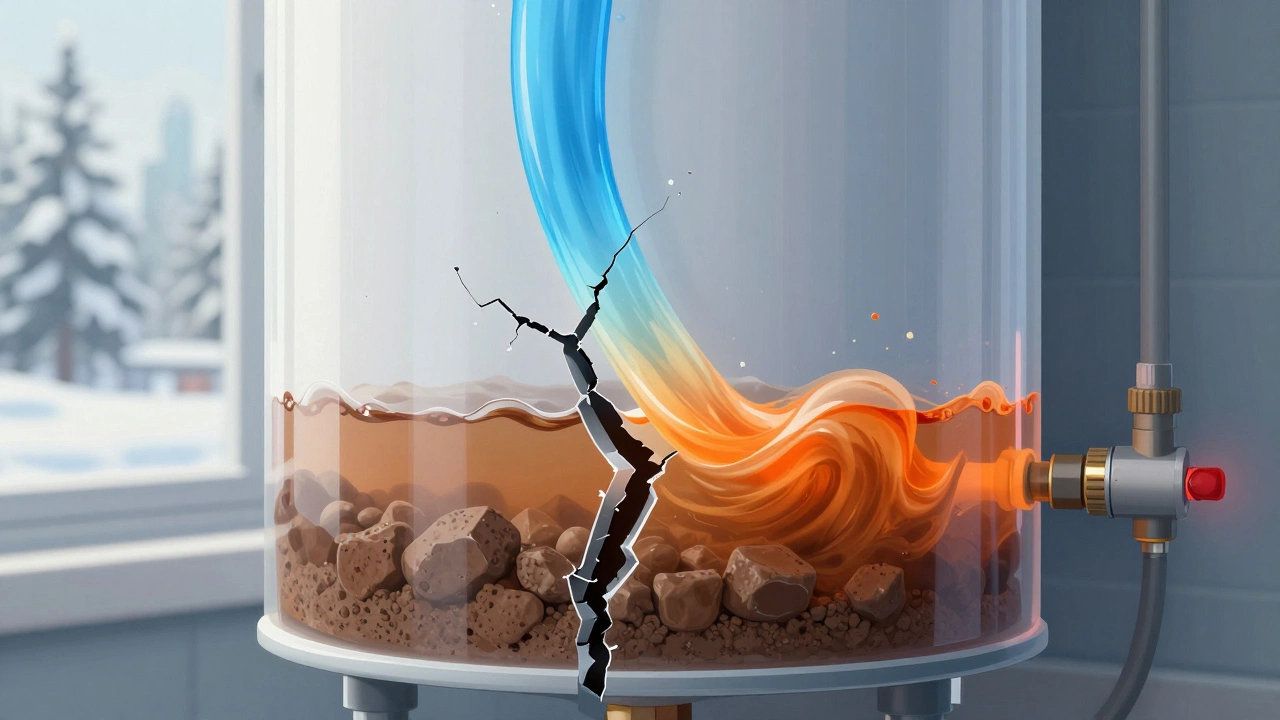
The number one reason water heaters stop producing hot water isn’t a blown element or a failed gas valve. It’s sediment. Over time, minerals in the water - especially calcium and magnesium - settle at the bottom of the tank. This isn’t just dirt. It’s hard, rock-like scale that builds up over years.
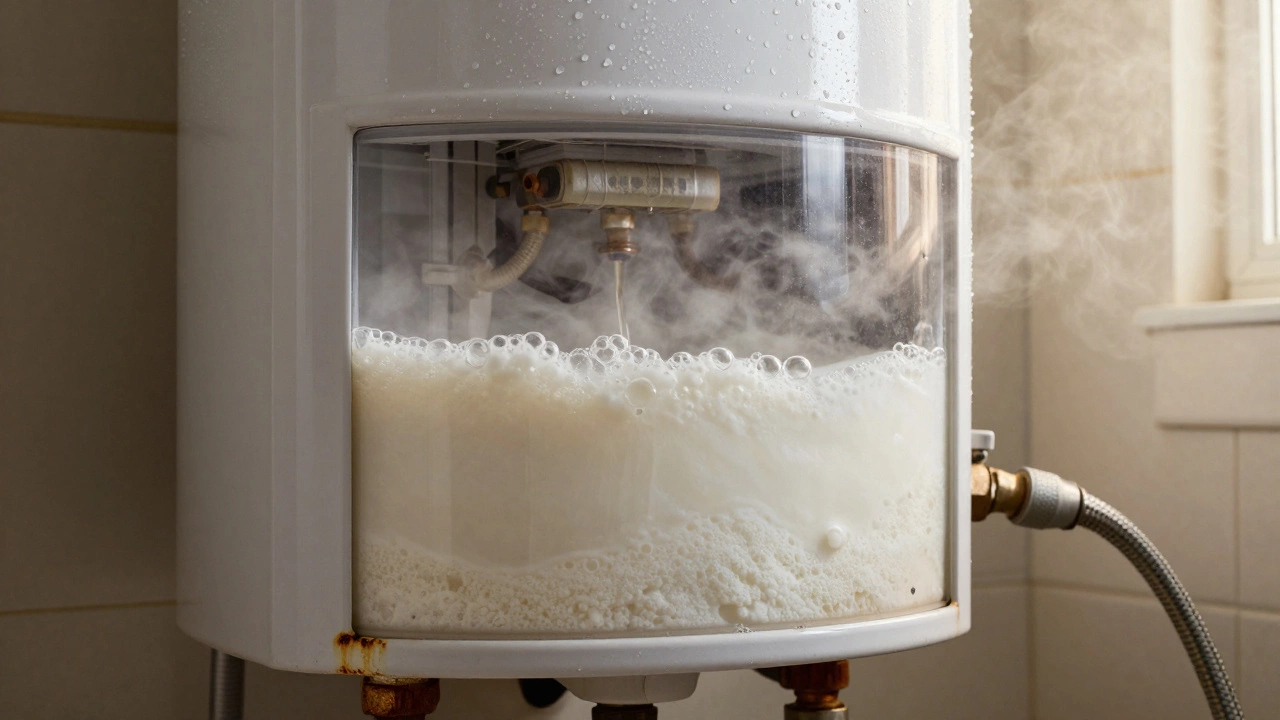
When that layer gets thick enough, it acts like insulation. The heating element or burner can’t transfer heat to the water anymore. The tank feels warm on the outside, but the water inside stays cold. You might hear popping or rumbling noises when the heater tries to work - that’s the sound of steam trapped under the sediment.
In areas with hard water like Vancouver, this happens faster than you think. A 10-year-old tank with no maintenance can have over an inch of sediment. That’s enough to kill efficiency and stop hot water completely. The fix? Flush the tank. It’s not hard. Turn off the power or gas, shut the cold water inlet, attach a garden hose to the drain valve, and let it run until the water comes out clear. Do this once a year, and you’ll extend your water heater’s life by years.
What About the Pilot Light?
If you have a gas water heater and no hot water, the first thing people check is the pilot light. And yes - if it’s out, you won’t get hot water. But this is far less common than sediment buildup. Most modern gas heaters use electronic ignition, not a standing pilot. Even older models often have safety features that shut off the gas if the flame goes out.
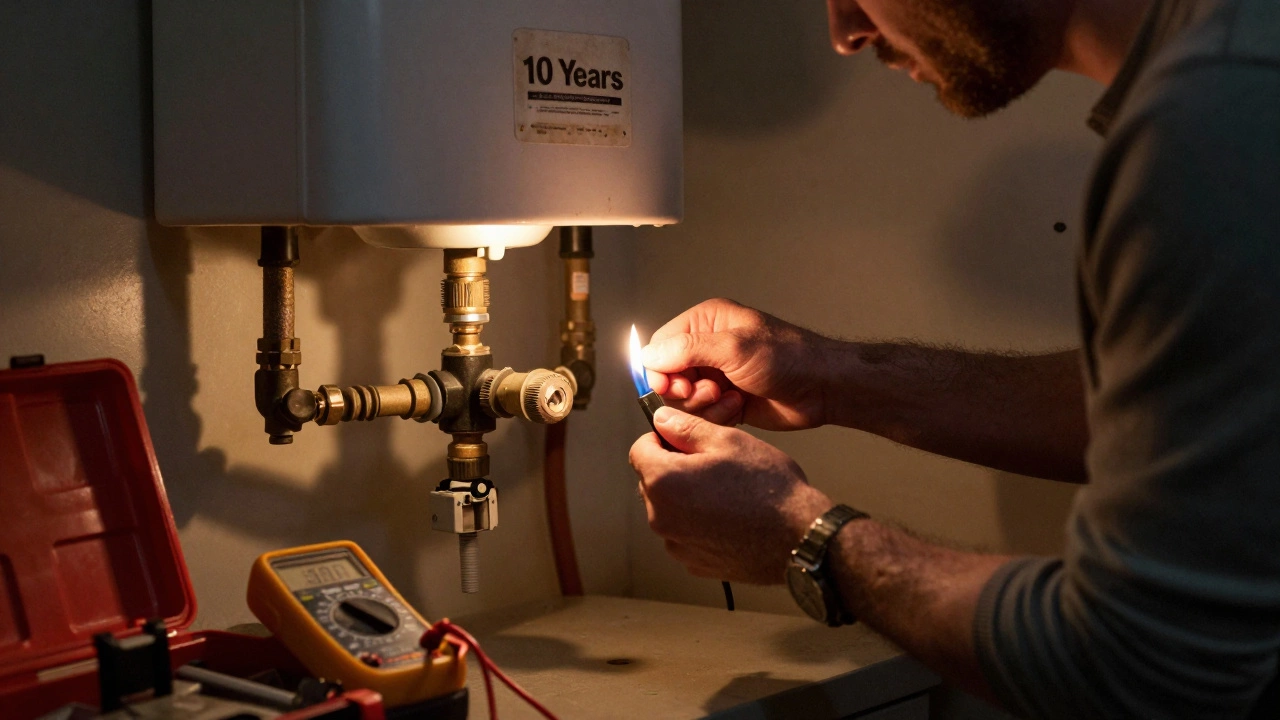
Reigniting a pilot light is simple: turn the knob to "pilot," hold it down, press the igniter button, and wait 30 seconds. But if the pilot keeps going out, it’s not a coincidence. A dirty thermocouple, a draft, or a failing gas valve is usually the real issue. Don’t just relight it and forget it. If it happens more than once, call a pro.
Thermostat Problems Are Rare - But Possible
Electric water heaters have two thermostats - upper and lower. If the upper one fails, you might get a little hot water before it turns cold. If the lower one dies, you get no hot water at all. But thermostat failure is uncommon. These devices last 10-15 years. More often, people blame the thermostat when the real problem is a burned-out heating element.
To test it, you need a multimeter and some electrical knowledge. If you’re not comfortable with that, don’t guess. A bad element is easy to replace, and it’s usually cheaper than a new heater. Just make sure the power is off before you touch anything.
Broken Heating Elements or Gas Valves
Electric water heaters use two heating elements - one at the top, one at the bottom. If the bottom one fails (which is more common), you’ll get cold water. If both fail, you’re in the dark. Replacing an element costs about $30 and takes an hour. But if you’ve tried flushing, checking the pilot, and testing the thermostat - and still no hot water - it’s likely a failed element.
For gas heaters, the gas valve controls the flow of fuel. If it’s stuck or faulty, the burner won’t light. You can’t test this yourself. If the pilot stays lit but the main burner doesn’t ignite, the gas valve is probably bad. Replacing it costs $200-$400, and it’s not worth the risk unless you’re trained.
Other Less Common Causes
- Tripped high-limit switch: If the water overheats, a safety switch cuts power. It’s resettable - look for a red button on the thermostat.
- Broken dip tube: This plastic tube sends cold water to the bottom of the tank. If it breaks, cold water mixes with hot water at the top. You’ll get lukewarm water for a few minutes, then nothing.
- Water pressure issues: Low pressure won’t stop heating, but it can make it seem like you’re not getting hot water because the flow is too weak.
None of these are as common as sediment. But if you’ve ruled out the buildup, they’re worth checking.
When to Replace Instead of Repair
Water heaters last 8-12 years on average. If yours is older than 10, and you’re dealing with no hot water, replacement is often smarter than repair. A new unit costs $1,000-$1,800 installed, but it’ll save you money on energy bills and prevent sudden failures.
Signs it’s time to replace:
- Water is rusty or smells bad
- Leaking from the tank (not the valves)
- It takes longer than 30 minutes to heat up
- You’ve had multiple repairs in the last year
If you’re replacing it, consider a tankless water heater. They’re more expensive upfront, but they last 20 years, use 30% less energy, and give you endless hot water. They’re becoming the standard in new homes in British Columbia.
Quick Checklist: What to Do When You Have No Hot Water
- Check if other faucets have hot water - maybe it’s just one fixture.
- Flip the circuit breaker for electric heaters or check the gas shutoff valve.
- Look for a reset button on the thermostat (usually red).
- If it’s gas, check if the pilot light is lit.
- Listen for unusual noises - popping or rumbling means sediment.
- Flush the tank if it’s been over a year since the last flush.
- If none of that works, call a licensed technician. Don’t keep guessing.
No hot water is stressful, but it’s rarely a mystery. Most of the time, it’s just sediment. And that’s something you can fix yourself - if you act before winter hits again.