Refrigerator Replacement Calculator
How to Decide: Repair or Replace?
Use this calculator based on the article's 50% rule and energy efficiency data. Enter your fridge details to see if repair or replacement is more cost-effective.
Your Refrigerator Details
Refrigerator is the appliance that keeps your food fresh and safe. Also known as a fridge, it works hard every day. The average refrigerator lifespan is between 10 and 15 years, but many factors can make it last longer or shorter. Let’s talk about what really affects how long your fridge stays reliable.
What Makes Your Fridge Last Longer or Shorter?
Not all refrigerators wear out at the same rate. How you use it matters a lot. If you open the fridge door 20 times a day-like in a busy household-the compressor works harder. Every time you open it, warm air rushes in. The compressor has to cool it down again, which wears it out faster. A fridge in a quiet home with fewer openings might last 15 years, while one in a high-traffic kitchen might struggle after 10.
Location is another big factor. If your fridge sits in a hot garage or near a stove, it works overtime. Heat makes the compressor run longer and hotter. Over time, this extra strain causes parts to fail. A fridge in a cool, well-ventilated spot runs smoother and lasts longer. Also, how often you clean the condenser coils matters. Dust buildup here forces the system to work harder. Clean them every six months to avoid extra wear.
Lifespan by Fridge Type
Not all fridge designs last the same. Top-freezer models usually last the longest. They have fewer moving parts, so there’s less to break. These often hit 13-15 years with proper care. Side-by-side refrigerators? They’re trickier. They have ice makers and water dispensers that add complexity. These extra features mean more things can go wrong. Side-by-sides typically last 10-12 years. French door fridges fall in the middle. They’re sturdy but often have more electronics than top-freezer models. Expect 11-14 years from these.
ENERGY STAR certified fridges usually last longer too. They’re built to run efficiently. Less strain on parts means fewer breakdowns. For example, a top-freezer ENERGY STAR model might hit 15 years, while a non-certified one might only make it to 12. This is because ENERGY STAR units are designed to minimize energy use, which also reduces mechanical stress.
Signs Your Fridge Is Failing
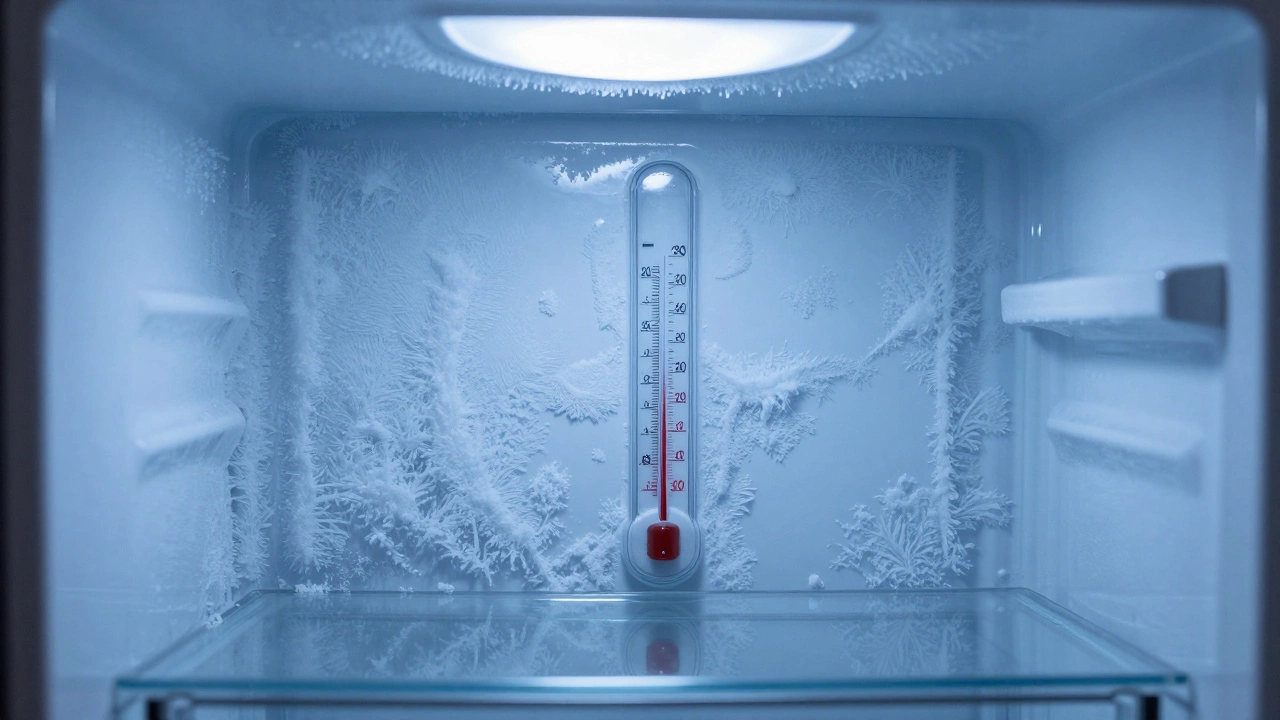
Don’t wait for it to die completely. Watch for these warning signs. First, temperature issues. If your food isn’t staying cold enough or the freezer is too warm, the fridge isn’t working right. Check the temperature with a thermometer. It should be 40°F or below in the fridge and 0°F in the freezer. If it’s off by more than a few degrees, something’s wrong.
Loud noises are another red flag. A humming sound is normal, but rattling, buzzing, or grinding means trouble. These sounds often come from the compressor or fan. If you hear them, the fridge is struggling. Frost buildup inside the freezer is also a problem. A little frost is okay, but thick ice means the defrost system isn’t working. This forces the fridge to work harder and can lead to total failure.
High energy bills are a sneaky sign. If your electricity bill jumps without a clear reason, your fridge might be using too much power. Older fridges use more energy as they age. A fridge over 10 years old could be using 50% more power than a new model. Check your bill trends to spot this early.
Simple Maintenance Tips to Extend Life
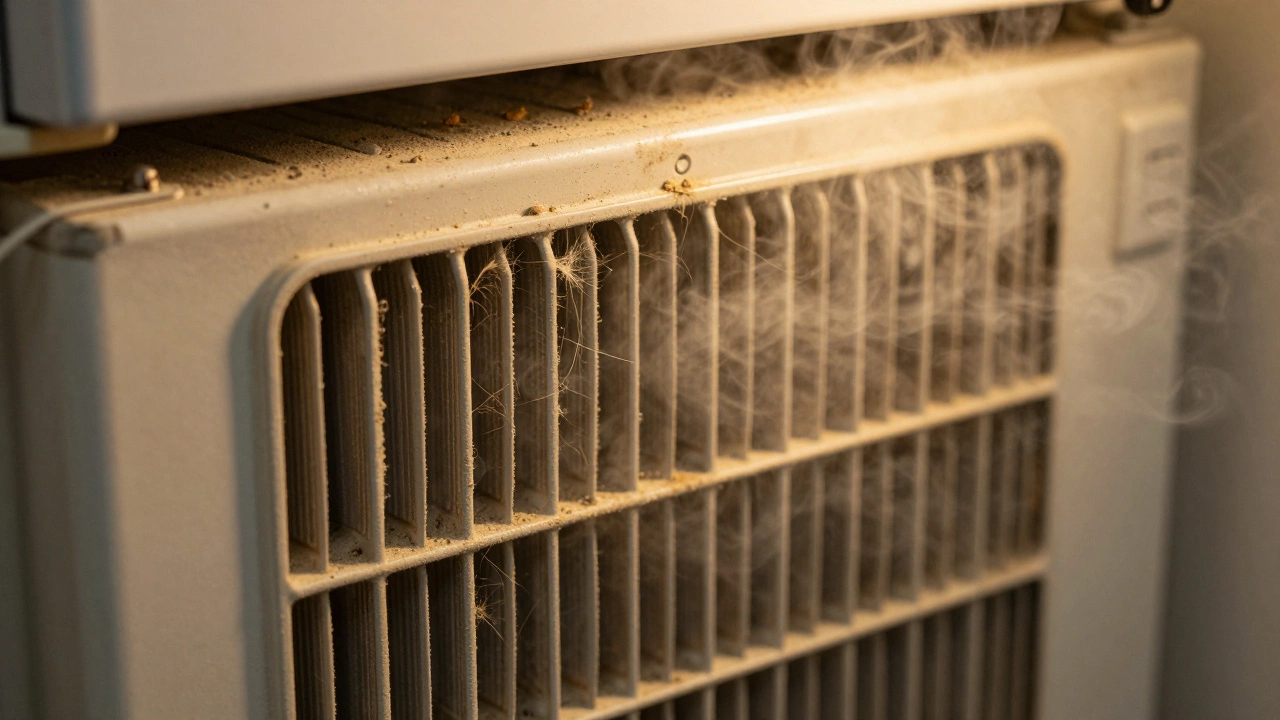
Keeping your fridge healthy is easy. Start with the condenser coils. These are usually at the back or bottom of the fridge. Dust and pet hair clog them, making the compressor overwork. Unplug the fridge, then vacuum the coils every six months. This simple step can add years to its life.
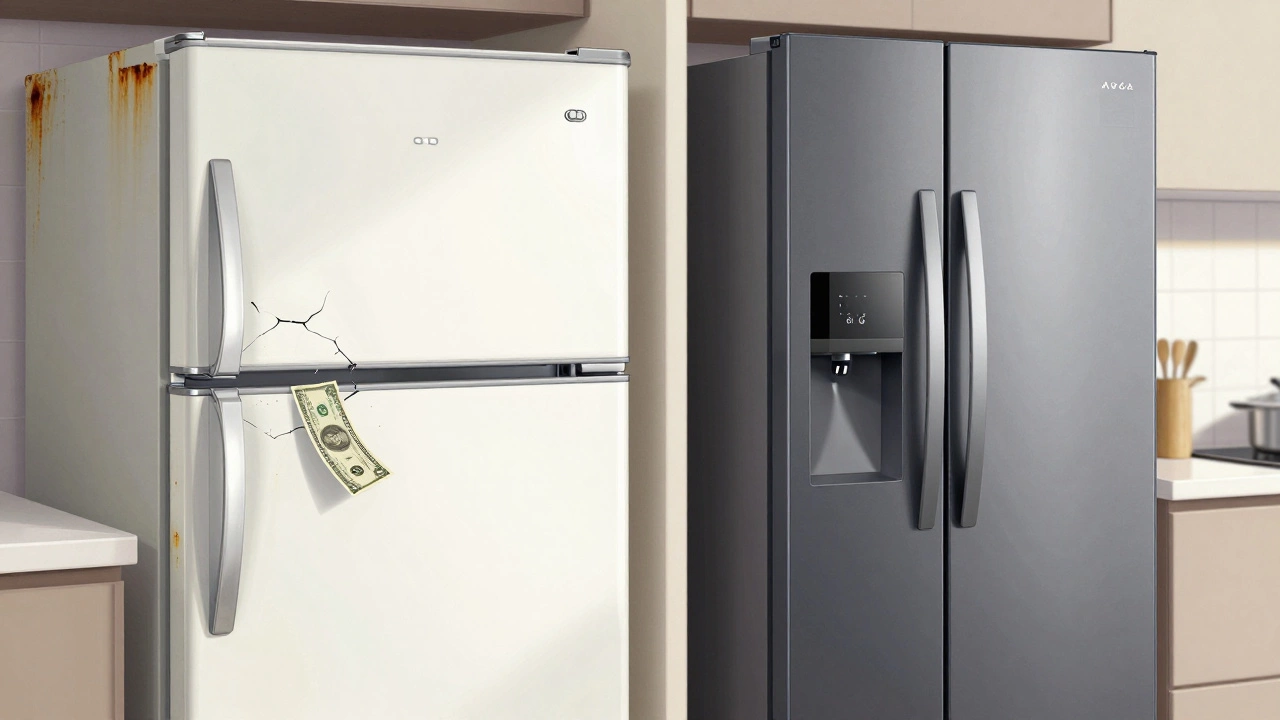
Check the door seals regularly. A loose seal lets cold air escape. Test it by closing a dollar bill in the door. If it slides out easily, the seal is bad. Replace seals if they’re cracked or stiff. Also, keep the fridge about one-third empty. Overfilling blocks airflow, while underfilling makes it work harder to cool empty space. A balanced load keeps things running smoothly.
Avoid putting hot food directly into the fridge. Let it cool first. Hot items force the fridge to cool down extra, straining the system. And never set the temperature too low. The ideal fridge temp is 37-40°F. Going colder than that wastes energy and wears out parts faster.
Repair or Replace? How to Decide
When your fridge acts up, should you fix it or get a new one? A good rule is the 50% rule. If the repair costs more than half the price of a new fridge, replace it. For example, if a new fridge costs $800, don’t spend more than $400 on repairs. This saves money long-term.
Age matters too. If your fridge is over 10 years old, repairs often aren’t worth it. Parts for older models are harder to find and more expensive. A 12-year-old fridge with a broken compressor might cost $300 to fix, but a new one with a 10-year warranty is $700. The new one will be more efficient and reliable. It’s a better investment.
Also, consider energy costs. An old fridge can use twice as much power as a new ENERGY STAR model. Over five years, that extra electricity could cost $300 or more. If your current fridge is using high energy, replacing it pays off quickly. Newer models also have better features like smart sensors and better temperature control, which keep food fresher longer.
Frequently Asked Questions
How long does a refrigerator typically last?
Most refrigerators last between 10 and 15 years. Top-freezer models often reach 13-15 years, while side-by-side and French door styles average 10-14 years. Proper maintenance can extend this, but factors like usage and environment play a big role.
What are the signs my fridge is failing?
Watch for temperature issues (food not staying cold enough), loud noises like grinding or buzzing, excessive frost buildup in the freezer, and sudden spikes in your electricity bill. These usually mean the compressor or cooling system is struggling.
Should I repair a fridge over 10 years old?
Generally, no. Repairs for older fridges often cost more than half the price of a new one. Parts are harder to find, and the fridge will likely need more repairs soon. A new ENERGY STAR model will save energy and run more reliably.
How often should I clean the condenser coils?
Clean them every six months. Dust buildup here forces the compressor to work harder, leading to overheating and early failure. Use a vacuum or coil brush to remove dirt. This simple step can add years to your fridge’s life.
Do ENERGY STAR refrigerators last longer?
Yes. ENERGY STAR models are built to run efficiently, reducing strain on parts. They typically last 1-3 years longer than non-certified fridges. For example, a top-freezer ENERGY STAR fridge often hits 15 years, while a standard model might only last 12.