Appliance Service Calculator
Repair or Replace Calculator
Calculate whether repairing or replacing your appliance makes financial sense based on age, repair costs, and new unit price.
Ever noticed your fridge humming louder than usual? Or your dishwasher leaving dishes gritty even after a full cycle? You might be tempted to ignore it - after all, it still works, right? But here’s the hard truth: appliance service isn’t optional. It’s the difference between a machine that lasts 15 years and one that dies in five.
Why Your Appliance Isn’t Just "Still Working"
Most people think if the appliance turns on, it’s fine. That’s a dangerous assumption. A fridge that cools but uses 40% more electricity? A washer that spins but leaves clothes soaked? These aren’t "minor" issues. They’re early signs of strain, wear, or hidden failure. Think of it like your car. You don’t wait until the engine seizes to change the oil. Same logic applies to your home appliances.According to Energy Star data, neglected refrigerators can use up to 30% more power than well-maintained ones. That’s $50-$100 extra per year on your bill - just for one unit. And that’s before you factor in repair costs or replacement. A $1,200 fridge doesn’t just break. It dies slowly, quietly, and at the most inconvenient time - like during a heatwave or holiday dinner.
What Gets Ignored in Routine Maintenance
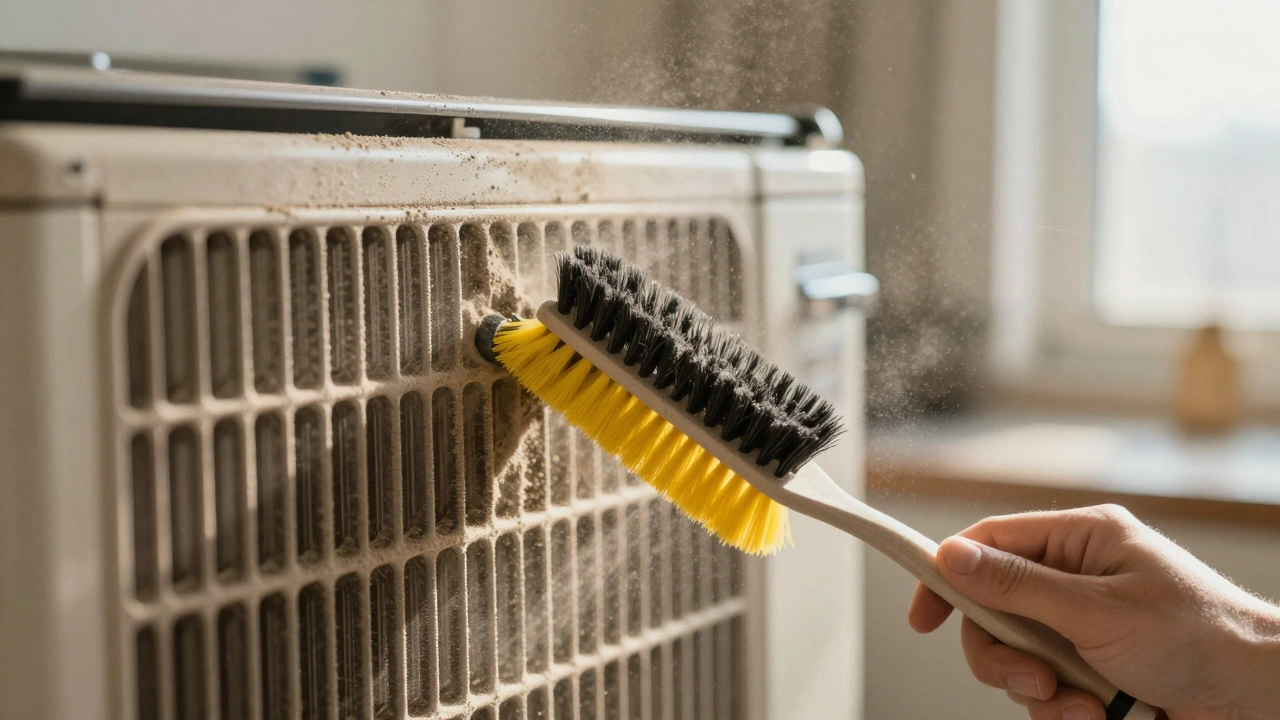
Most homeowners think cleaning the filter is enough. It’s not. Here’s what actually needs attention:- Refrigerators: Condenser coils behind or underneath the unit collect dust like a vacuum. When clogged, the compressor works overtime, overheats, and burns out. Clean them every six months with a coil brush - it takes five minutes.
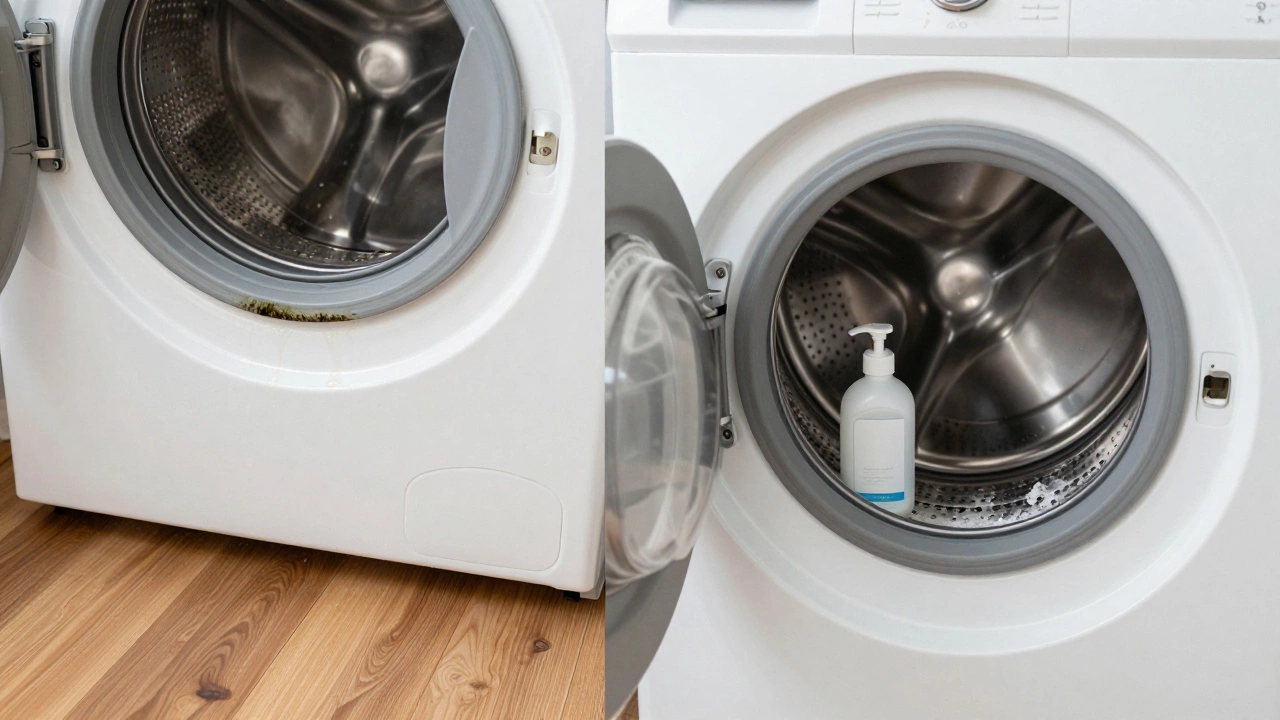
- Washing Machines: The rubber door seal traps soap scum, lint, and mildew. Left unchecked, it cracks and leaks. Run a hot water cycle with vinegar monthly. Don’t use too much detergent - it’s the #1 cause of residue buildup.
- Dishwashers: The spray arms get clogged with food particles. Check them quarterly. Remove the arms, rinse under running water, and make sure water sprays freely from all holes.
- Ovens and Ranges: Grease builds up in the vents and around the heating elements. That’s not just a fire risk - it causes uneven cooking. Wipe down the interior after every heavy use. Deep clean every three months.
- Dryers: Lint buildup in the vent duct is the leading cause of home fires. Clean the lint trap after every load. Have the vent line professionally cleaned at least once a year.
These aren’t "nice to do" tasks. They’re preventatives that save money and prevent emergencies. A single blocked dryer vent can cost you $10,000 in fire damage. That’s not an exaggeration - it’s a statistic from the U.S. Fire Administration.
When Service Is Non-Negotiable
Some repairs can’t be DIY. If you notice any of these signs, call a pro - don’t delay:- Unusual noises: Grinding, squealing, or knocking from a fridge or washer usually means a motor or bearing is failing.
- Water leaks: Even small drips under a dishwasher or washing machine can rot subfloors and mold walls.
- Temperature issues: If your fridge is above 40°F or your oven won’t hold steady heat, sensors or thermostats are faulty. Food safety is at risk.
- Electrical smells: Burning plastic or ozone? Shut off the appliance and unplug it. That’s not a glitch - it’s a wiring problem.
- Age over 8-10 years: Most appliances hit their efficiency cliff around this point. A service check can tell you if it’s worth repairing - or if replacement is smarter.
Many repair technicians offer diagnostic fees that get waived if you proceed with the fix. That means paying $75 to find out your washer’s pump is failing is cheaper than replacing the whole machine after it dies unexpectedly.
Service vs. Replacement: The Real Math
You’ve heard the saying: "If it’s older than half its lifespan, replace it." That’s not always true. Let’s break it down with real numbers.A typical dishwasher costs $800 new. The average repair? $250. If your dishwasher is six years old and the heating element fails, replacing it makes sense - it’s halfway through its 12-year life. But if it’s three years old? Paying $250 to fix it is the smarter move. Same goes for refrigerators. A $150 compressor replacement on a 5-year-old unit? Worth it. A $600 repair on a 12-year-old one? Probably not.
Here’s the rule of thumb: If the repair costs more than 50% of a new unit’s price, and the appliance is over half its expected lifespan, replace it. Otherwise, fix it. And always ask for a written estimate - no reputable tech will refuse that.
What Happens When You Skip Service
I’ve seen it too many times. A family in North Vancouver ignored their fridge’s rising energy bill. They thought it was just "old." Two months later, the compressor failed. Spoiled food. A $1,400 replacement. And a moldy kitchen floor from the leak that had been slowly dripping for months.Skipping service doesn’t save money. It just delays the cost - and adds risk. Mold. Fire. Food poisoning. Broken pipes. These aren’t hypotheticals. They’re common outcomes of neglected appliances.
And let’s not forget warranty. Most manufacturers require proof of regular maintenance to honor extended warranties. If you skip cleaning the condenser coils on your fridge, and the compressor fails at year eight, your warranty might be void. Companies don’t cover wear from neglect.

How Often Should You Service Appliances?
There’s no one-size-fits-all schedule, but here’s a simple annual checklist based on real-world usage:- January: Clean dryer vents and check exhaust ducts.
- March: Inspect fridge coils and clean the door gaskets.
- June: Run a cleaning cycle on the dishwasher and check spray arms.
- September: Clean washing machine drum and check for drum imbalance.
- November: Test oven thermostat with an independent thermometer. Clean oven interior.
Do this every year. It takes less than two hours total. And it’s cheaper than your monthly coffee habit.
What a Professional Service Actually Includes
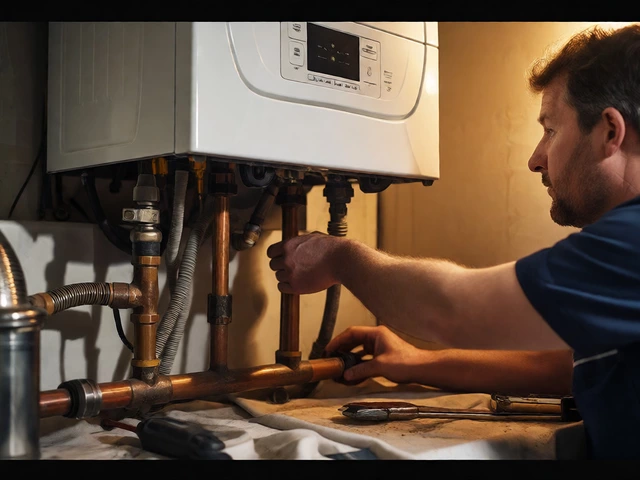
If you hire a technician, here’s what a proper service should cover - not just "take a look."- Check voltage and amperage draw - too high means strain.
- Inspect belts, hoses, seals, and gaskets for wear.
- Test sensors and thermostats for accuracy.
- Verify drainage and water pressure (for washers/dishwashers).
- Calibrate temperature settings (for fridges and ovens).
- Provide a written report with recommendations.
Anything less than this isn’t service - it’s a quick glance. Ask for the checklist before they start. Reputable companies use them.
Bottom Line: Service Isn’t a Cost - It’s Insurance
Appliances are expensive. They’re also essential. Skipping service doesn’t make you frugal. It makes you risky. A $50 annual cleaning saves you $1,000 in repairs. A $100 professional check prevents a $5,000 water damage claim.Think of appliance service like brushing your teeth. You don’t wait until you lose a tooth to start. You do it because you know what happens if you don’t.
Do all appliances need servicing?
Yes, all major home appliances benefit from regular maintenance. Refrigerators, washers, dryers, dishwashers, ovens, and water heaters all have moving parts, filters, seals, or coils that wear down over time. Even "low-maintenance" devices like microwaves need occasional cleaning to prevent grease buildup and sensor issues. Ignoring them leads to higher energy bills, shorter lifespans, and safety risks.
How often should I clean my refrigerator coils?
Clean refrigerator coils at least twice a year - once in spring and once in fall. If you have pets or live in a dusty area, clean them every three months. Dust buildup forces the compressor to work harder, which can lead to overheating and premature failure. A simple coil brush from a hardware store makes this task easy and takes less than 10 minutes.
Is it worth repairing an old appliance?
It depends on age and cost. If the appliance is less than half its expected lifespan (e.g., under 6 years for a washer with a 12-year life) and the repair costs less than 50% of a new unit’s price, repair it. If it’s older than 8-10 years and the repair is expensive, replacement is usually more cost-effective. Also consider energy efficiency - newer models use 30-50% less power.
Can I service my appliances myself?
You can handle basic maintenance like cleaning filters, wiping seals, and removing lint traps. But anything involving electrical components, refrigerant lines, gas connections, or internal motors should be left to professionals. DIY attempts on these parts can void warranties, cause leaks, or create fire hazards. Stick to what’s in the manual - don’t guess.
What’s the biggest mistake people make with appliance maintenance?
Waiting until something breaks. People think, "It still works," so they ignore warning signs like strange noises, longer cycle times, or higher energy bills. That’s like ignoring a car’s check engine light. By the time it fails, damage is often more extensive - and more expensive to fix. Prevention is always cheaper than crisis repair.
Do appliance warranties require service?
Many extended warranties require proof of regular maintenance to remain valid. For example, if your fridge’s compressor fails and you never cleaned the coils, the manufacturer may deny coverage, claiming the failure was due to neglect. Always keep receipts or logs of cleaning and service visits - even if you do it yourself. It protects your investment.
If you’re unsure where to start, pick one appliance - your fridge or dishwasher - and clean it this weekend. That’s all it takes to begin. You’ll notice the difference before the month ends.