Laundry Capability Checker
Select your machine type and the type of laundry you have to see if you can proceed with your wash.
Before we get into the weeds, here is the quick breakdown:
- Cold cycles: These will work perfectly fine.
- Hot cycles: Your machine will either use cold water or struggle to heat the water itself.
- Safety: Using a washing machine won't break your boiler further, but a leaking boiler might make your laundry room a swamp.
How your washing machine actually gets its water
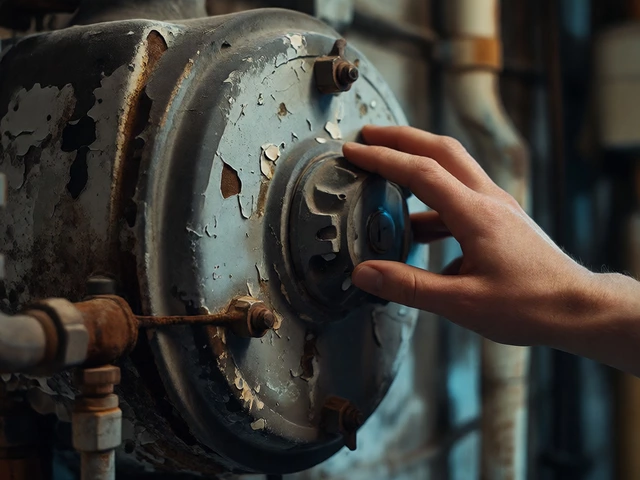
To understand why your machine keeps spinning even when the heat is off, you need to know where the water comes from. Most modern homes have a split feed. One pipe brings in cold water from the main street line, and another brings hot water from your Boiler, which is a heating system that boils water for radiators and taps.
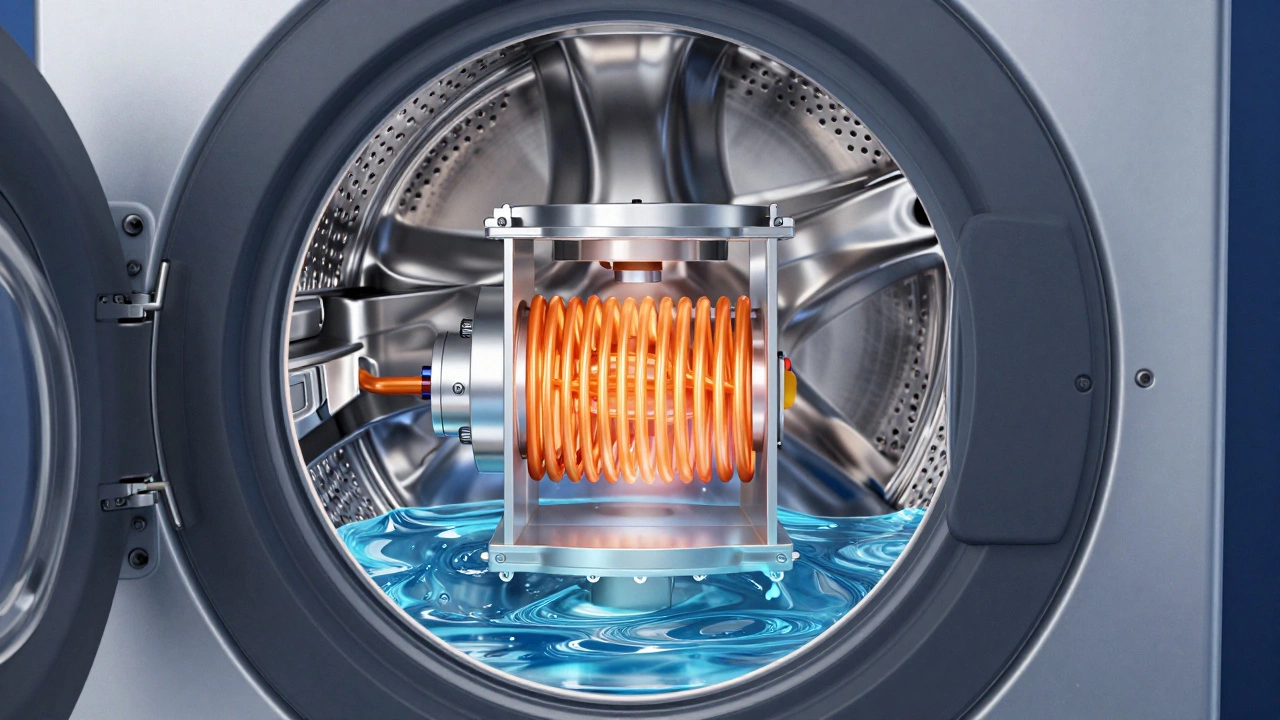
If you have a Front-Loading Washing Machine, it usually only connects to the cold water line. These machines have an internal heating element-basically a giant electric kettle coil-that heats the water inside the drum. If your boiler is dead, the machine simply draws cold water from the mains and uses its own electricity to warm it up. You won't even notice the boiler is broken.
However, if you have an older Top-Loading Washing Machine, especially those common in North American homes, they often have both a hot and cold intake hose. These machines rely on the boiler to provide pre-heated water. If the boiler is broken, the "Hot" intake will just deliver lukewarm or cold water. Your machine will still run, but that "Heavy Duty Hot" cycle will actually be a cold wash.
| Machine Type | Water Source | Effect of Broken Boiler | Cleaning Power |
|---|---|---|---|
| Front-Loader | Cold Mains + Internal Heater | None | Normal |
| Top-Loader (Dual Feed) | Hot & Cold Mains | No hot water supply | Reduced for stains |
| High-Efficiency (HE) | Cold Mains | None | Normal |
The danger of the "Cold Wash" trap
Just because the machine spins doesn't mean your clothes are getting clean. If you're relying on a broken boiler and a dual-feed machine, you're essentially doing a cold-water wash. While this is great for your electricity bill and prevents shrinking your favorite wool sweater, it's terrible for greasy stains or heavily soiled towels.
Most Laundry Detergents are chemically designed to activate at specific temperatures. If the water is too cold, the enzymes in the soap can't break down oils and proteins effectively. You might find that your clothes come out smelling "fresh" because of the fragrance, but they are still physically dirty. If you're stuck in this situation, switch to a liquid detergent rather than a powder, as liquids dissolve much faster in cold water.
Will running the machine affect the boiler repair?
A common worry is whether the vibration or water usage of a washing machine will interfere with a failing boiler. In 99% of cases, they are completely separate systems. Your washing machine pulls water from the plumbing, not the boiler's internal circuitry. Running a load of laundry won't "stress" a broken boiler.
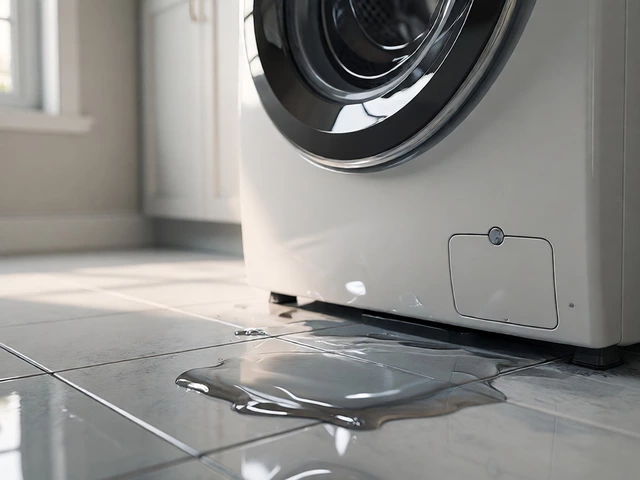
The only real risk is if your boiler failure is caused by a major leak. If you have a Combi Boiler (a unit that provides both central heating and instant hot water) that is leaking water across the floor, adding more moisture to the environment via a washing machine-especially if it's in the same utility closet-could lead to dampness or electrical shorts in the surrounding area. If you see puddles near your boiler, stop using all water-based appliances until a pro looks at it.
Practical tips for laundry during a heating outage
If you're waiting for a technician to arrive and you have a mountain of clothes, don't just hit "Start" and hope for the best. Try these strategies to ensure your clothes actually get clean without a working boiler:
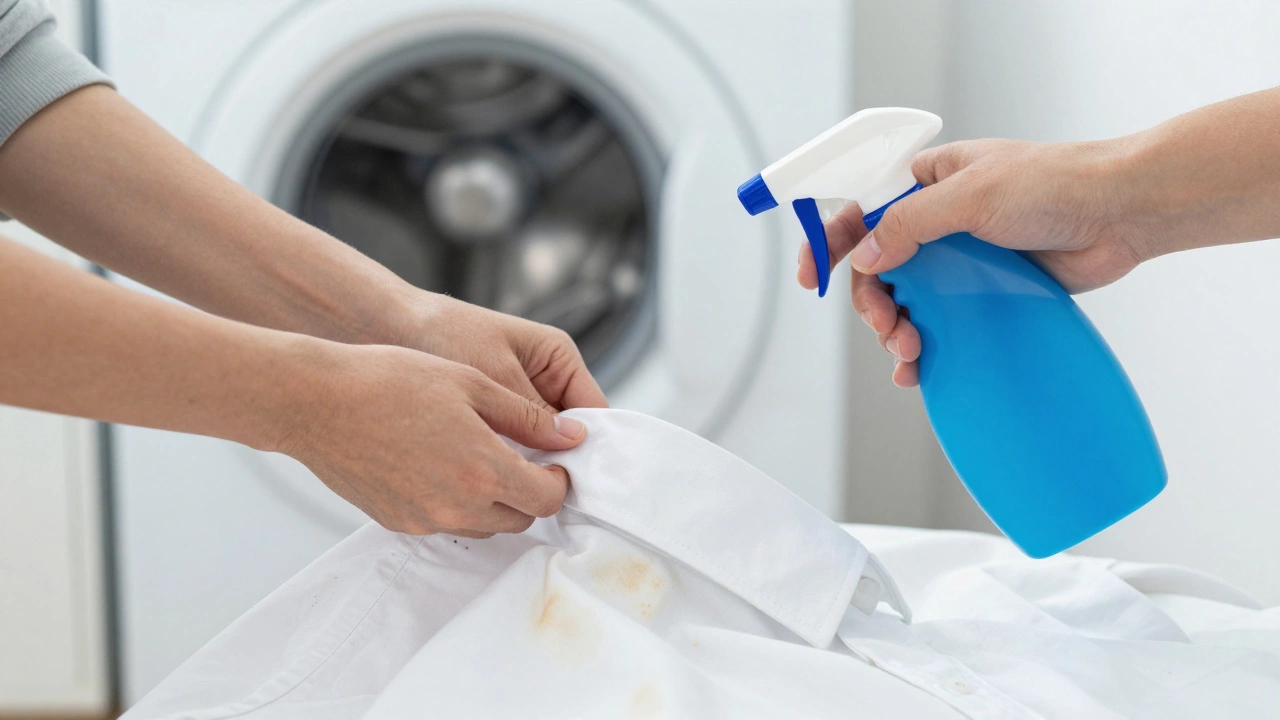
- Pre-treat everything: Use a stain remover spray or a bit of dish soap on collars and cuffs. Since the water won't be hot enough to melt the grime, you need to do the hard work manually.
- Use shorter cycles: If your machine is struggling to heat water internally, longer cycles can actually waste more energy and put wear on the Heating Element.
- Avoid "Sanitize" settings: If your boiler is out and you're using a dual-feed machine, the "Sanitize" or "Extra Hot" buttons are useless. They won't make the cold water hot; they'll just make the machine run longer.
- Check your hoses: If you decide to switch your machine to "Cold Only" to avoid putting pressure on the hot water line, make sure your hoses aren't kinked.
When to stop using the machine entirely
There are a few red flags that mean you should leave the laundry alone. If you notice a sudden drop in water pressure throughout the house, you might have a burst pipe related to the boiler failure. Running a washing machine requires a steady flow of water; if the pressure is erratic, the machine's Inlet Valve can struggle, leading to "unbalanced load" errors or internal timeouts.
Also, keep an eye on your Water Heater if you have a separate tank. If the boiler is broken but the tank is still warm, you'll have a limited amount of hot water. Using it all for a load of laundry means you won't have any left for a quick hand-wash or a sponge bath. Prioritize your hot water for hygiene, not for your t-shirts.
Will my washing machine damage my broken boiler?
No. The washing machine and the boiler are separate appliances. The machine simply draws water through pipes. Unless your boiler is leaking water all over your laundry machine's electrical components, there is no risk to the boiler itself.
Why is my laundry not clean even though the machine ran?
If you have a top-loading machine that requires hot water from the boiler, it likely ran a cold wash instead. Many detergents and stains require heat to break down. Without that hot water supply, the clothes may look clean but still hold onto oils and bacteria.
Can I use a kettle to heat water for my washing machine?
Absolutely not. Never pour boiling water directly into a washing machine. This can damage the rubber seals, melt plastic components, and in some cases, cause the drum to warp. Only use the machine's built-in settings.
Does a front-loader need a boiler to wash with hot water?
Generally, no. Most front-loaders have their own internal electric heating element. They take cold water from the mains and heat it up inside the machine, meaning they work perfectly fine even if your boiler is completely dead.
What should I do if I have a dual-feed machine and no hot water?
Set your machine to a cold-water cycle and use a high-quality liquid detergent. For heavily soiled items, pre-treat stains with a spray or a brush before putting them in the machine to compensate for the lack of heat.
Next steps for a cold house and a full hamper
If you're currently dealing with a broken boiler, your priority should be getting a qualified technician to assess the system. In the meantime, check your Pressure Gauge on the boiler; sometimes a simple pressure drop triggers a shutdown, and a quick top-up can get your hot water (and your laundry) back to normal.
If you find that your washing machine is also acting up-perhaps it's not draining or making strange noises-don't assume it's related to the boiler. It's more likely a coincidence or a separate plumbing issue like a clogged filter. Get both checked out to ensure your home returns to full functionality as quickly as possible.