Gas Hob Installation Risk Assessment Tool
How it works: Select the scenarios that apply to your situation to see the legal and safety implications of choosing DIY over a certified Gas Safe engineer.
Your Situation
Impact Analysis
Select the scenarios on the left and click "Analyze Risks" to see the consequences.
The Safe Solution
Hire a Gas Safe Registered Engineer. They provide a Certificate of Compliance, ensuring your home is safe and legally compliant.
Find a Registered Engineer →You've just picked out a stunning new range cooker or a sleek five-burner hob, and you're itching to get it installed. But then you hit a wall: the law. You might be handy with a wrench and a screwdriver, but when it comes to gas, the stakes aren't just a leaky faucet-they're potentially explosive. The short answer is yes, you absolutely need a qualified professional, but the reasons why go deeper than just following a rulebook.
Key Takeaways for Your Kitchen Upgrade
- It is illegal in the UK for an unqualified person to work on gas appliances.
- Only engineers on the Gas Safe Register can legally install or replace a gas hob.
- DIY installation voids manufacturer warranties and can invalidate your home insurance.
- A professional ensures the gas supply is leak-free and the ventilation meets safety standards.
The Legal Line: Why You Can't Do It Yourself
Let's get the most important point out of the way first. In the UK, the Gas Safe Register is the official list of gas engineers who are legally qualified to work on gas appliances. If you try to swap out your old hob for a new one without a registered professional, you aren't just risking your safety-you're breaking the law.
The Gas Safety (Installation and Maintenance) Regulations 1998 make it clear: any work on gas fittings must be done by a competent person. If you're caught doing it yourself, you could face heavy fines or even criminal charges. More importantly, if a fire or leak occurs and it's discovered that a non-certified person touched the pipes, your Home Insurance provider will likely refuse to pay out a single penny of your claim. Imagine losing your entire kitchen and having to pay for it all out of pocket because you wanted to save a bit of money on an installation fee.
What Actually Happens During a Hob Replacement?
You might think, "It's just unscrewing one pipe and screwing in another," but a professional installation involves several critical safety checks that you can't do with a standard toolkit. When a pro arrives, they don't just plug the appliance in.
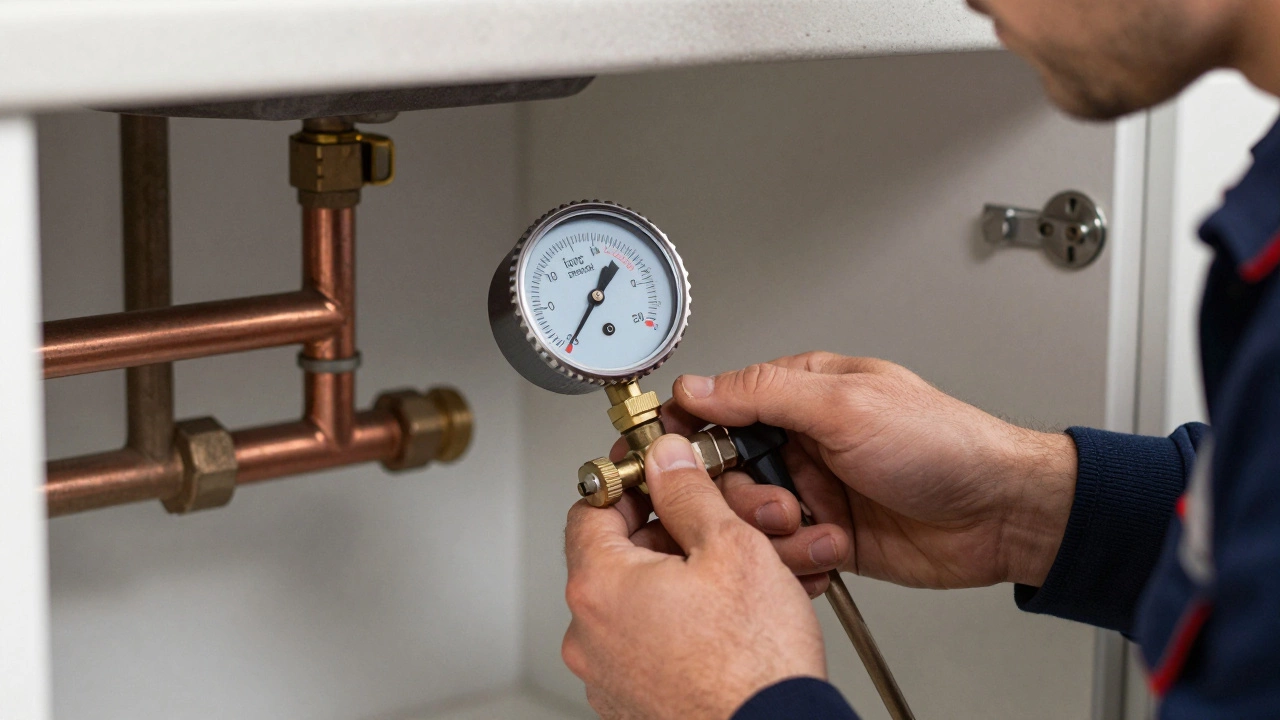
First, they'll perform a Gas Tightness Test. This is a process where they use a manometer to check if there are any leaks in the existing pipework. If your old hob was leaking slightly, the new one might exacerbate the problem. They also check the Working Pressure to ensure the gas is flowing at the correct rate. If the pressure is too low, your burners will be uneven or might blow out; if it's too high, you're wasting fuel and risking safety.
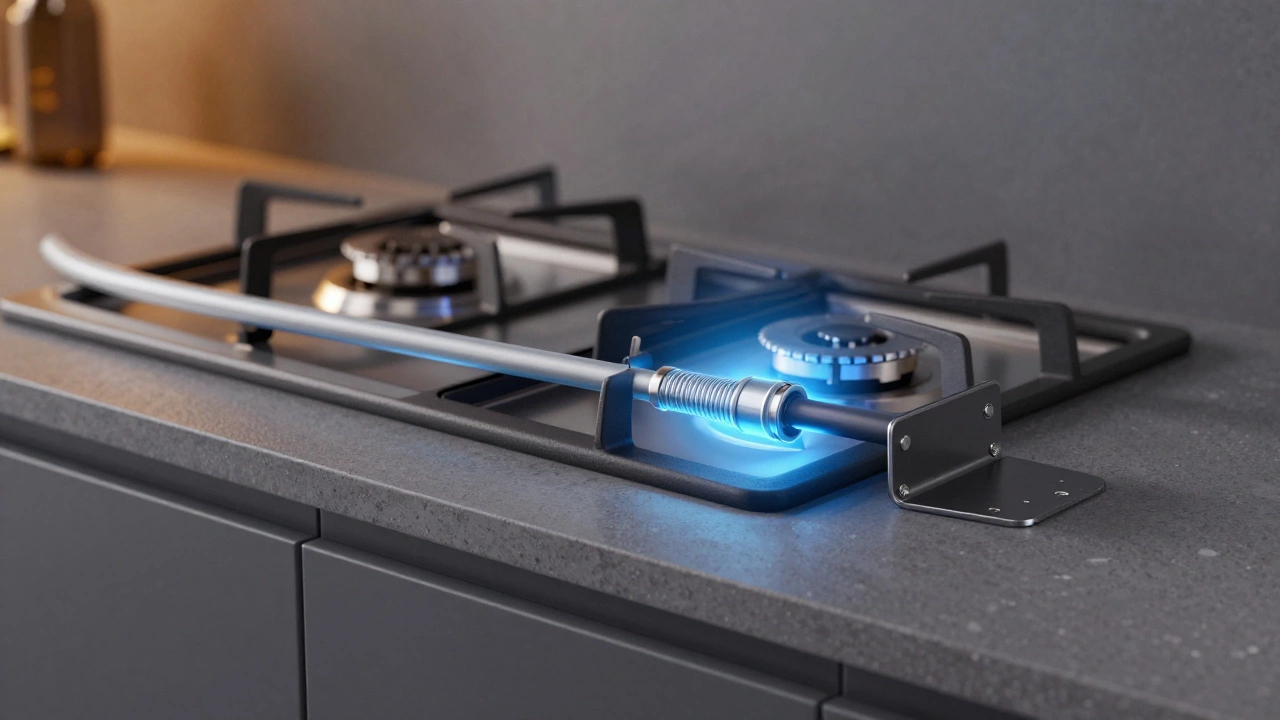
Then there's the issue of the Stability Bracket. Gas hoses can't just dangle. They need to be secured so that if the hob shifts slightly during use, the pipe doesn't tug or kink. A certified engineer knows exactly where to place these brackets based on the specific model of your appliance.
| Feature | DIY Attempt | Gas Safe Engineer |
|---|---|---|
| Legal Status | Illegal | Legal & Certified |
| Safety Testing | Visual check only | Pressure & Tightness Testing |
| Insurance | Likely Voided | Fully Covered |
| Warranty | Voided by Manufacturer | Maintained/Validated |
| Certification | None | Provides Safety Certificate |
The Danger of the "Quick Swap"
Some people argue that if the new hob is the exact same model as the old one, it's just a "plug and play" situation. This is a dangerous myth. Even identical models can have different torque requirements for the nuts and bolts. Over-tightening a joint can crack the fitting, while under-tightening leads to a slow leak.
Consider the risk of Carbon Monoxide. This colorless, odorless gas is a silent killer. A professional ensures that the combustion is clean and that the installation doesn't interfere with the room's ventilation. They also check that the Flame Failure Device-the safety mechanism that cuts the gas if the flame goes out-is working perfectly. If you install it wrong, that safety net disappears.
How to Choose the Right Engineer
Don't just hire the first person who answers the phone. There are a few non-negotiable steps you should take to protect your home. First, ask for their Gas Safe registration number. You can check this number online via the official register to see if they are actually qualified for "Gas Hobs" specifically. Some engineers are only qualified for boilers or fires; you need someone specialized in cooking appliances.
Ask about the paperwork. A legitimate engineer will provide you with a certificate of compliance. This document is your proof that the installation was done to the current safety standards. It's a vital piece of paper if you ever decide to sell your home, as solicitors often ask for gas safety records during the conveyancing process.
Common Installation Pitfalls to Watch For
Even with a pro, it's good to know what's happening. One common issue is the "cut-out" size. If your new hob is slightly larger than the old one, the engineer might need to trim the Worktop. If you have granite or quartz, this requires specialized diamond-cutting tools. Make sure your engineer has the right gear for your specific material to avoid cracking your expensive counter.
Another pitfall is the gas supply location. If you're upgrading from a small four-burner to a massive professional range, the existing pipe might not be enough to feed the larger appliance. A professional will identify if a pipe upgrade is necessary before they start the installation, preventing a scenario where your stove barely heats up because the pipe is too narrow.
What Should You Pay?
Pricing varies depending on whether it's a simple swap or a full installation involving new pipework. For a standard replacement, you're looking at a call-out fee plus an hourly rate. While it might feel like an extra expense, compare it to the cost of a new kitchen or the legal fees associated with a gas incident. It is a small price for total peace of mind.
Can I at least disconnect the old hob myself?
No. Disconnecting a gas appliance involves capping off the supply to ensure no gas escapes into the room. Since this involves manipulating the gas line, it must be done by a Gas Safe registered engineer.
Does the manufacturer provide installation?
Some brands offer installation packages, but they usually outsource this to third-party certified engineers. Always verify that the person they send is on the Gas Safe Register.
What if I live in a flat and don't have access to the gas meter?
Your engineer will still need to perform a tightness test. They will coordinate with you to ensure the supply is isolated correctly, and in some cases, they may need to contact the building manager to gain access to the main meter.
Will a gas engineer also connect the electric ignition?
Yes, most Gas Safe engineers are comfortable with the basic electrical connection required for the spark ignition of a gas hob, as it usually just involves plugging it into a standard socket or a simple fused spur.
How long does a typical hob replacement take?
If the cut-out size is correct and the gas supply is in the right place, a professional can usually swap a hob in 1 to 3 hours, including the necessary safety testing and certification.
Next Steps for Homeowners
If you're planning a replacement, start by measuring your current hob's cut-out dimensions. When you buy your new appliance, check the manual for the required opening size so you can tell your engineer exactly what to expect. This prevents delays on the day of installation.
If you suspect your current gas installation is outdated-perhaps you have old lead piping or you've noticed a faint smell of gas-mention this to your engineer during the quote. It's the perfect time to upgrade your safety components and ensure your home is fully compliant with 2026 safety standards.