Gas Oven Repair vs. Replacement Calculator
Ready to Calculate
Enter your oven's details to see if you should fix or replace.
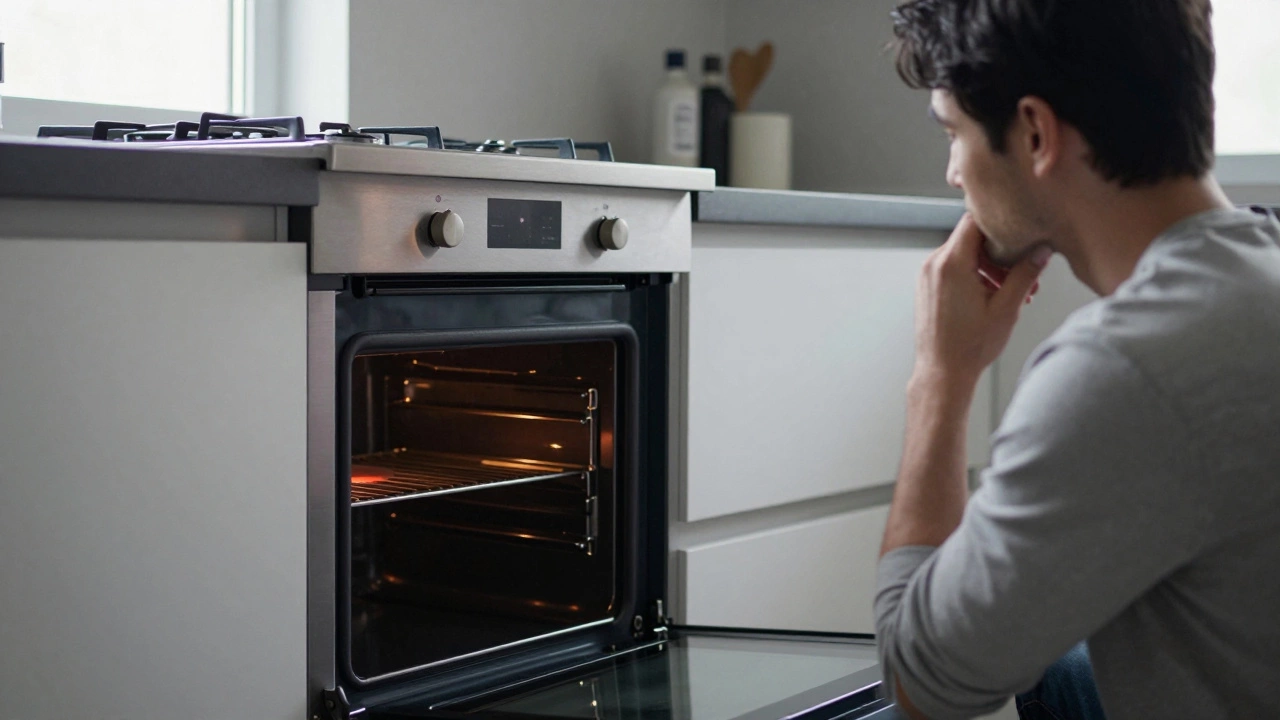
Your gas oven just stopped heating, or maybe it’s taking forever to preheat. You’re staring at the cold kitchen and wondering if you should call a technician or start shopping for a new appliance. This is one of those moments where the wrong decision can cost you hundreds of dollars or leave you with a safety hazard.
The short answer is: it depends on the part that failed and the age of your oven. But before you pull out your wallet, we need to look at the real numbers. Gas ovens are complex machines with specific safety requirements. Unlike electric models, they involve combustible fuel lines and ventilation systems. Getting this right matters.
The Golden Rule: The 50% Cost Threshold
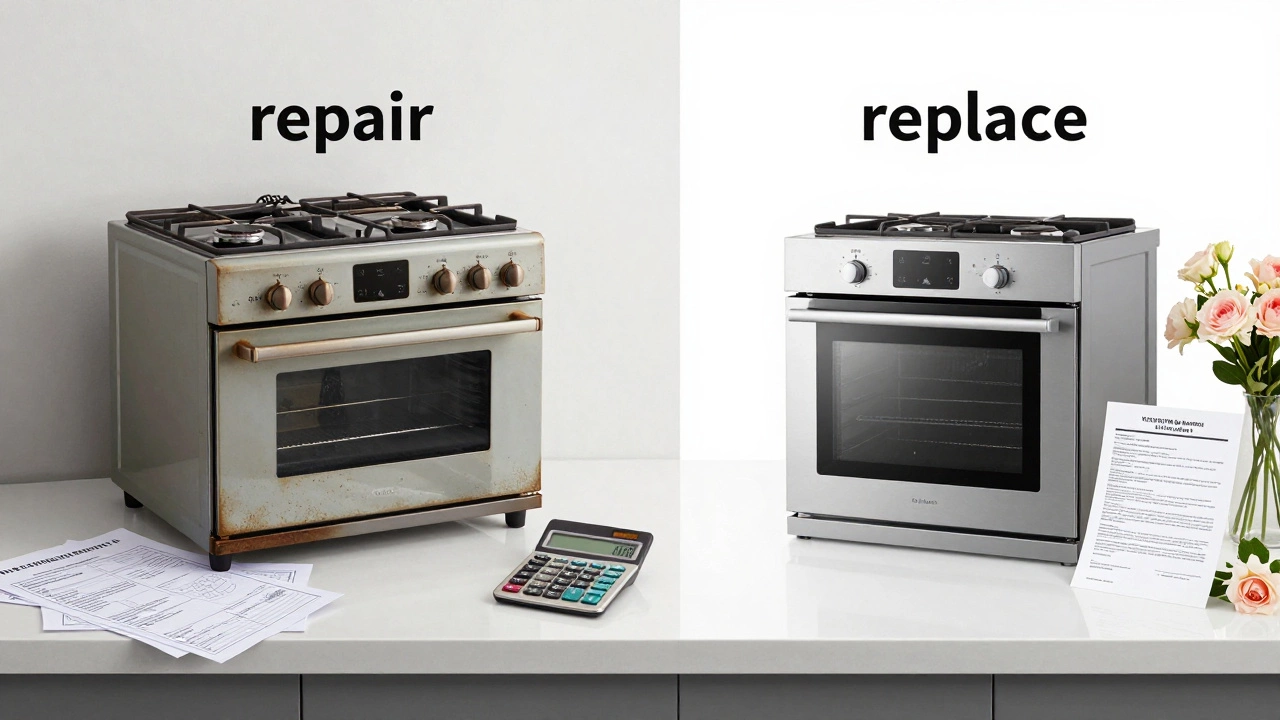
When deciding whether to repair or replace any major appliance, technicians often use a simple heuristic called the 50% rule. If the cost of the repair exceeds 50% of the price of a new, comparable unit, replacement is usually the smarter financial move.
Let’s break down what that looks like in 2026. A mid-range gas range typically costs between $800 and $1,200 installed. High-end models with double ovens or smart features can easily hit $2,000 or more. Labor for a gas appliance repair in cities like Vancouver or Toronto ranges from $90 to $150 per hour, plus a diagnostic fee of $75 to $100.
If your oven is five years old and needs a new igniter, which is a component that glows red hot to open the gas valve and light the burner, the total bill might be $250. That’s well under the 50% threshold. Fix it. However, if the main control board fails on a ten-year-old oven, the parts and labor could run $400 to $600. At that point, you’re better off buying a new unit with a fresh warranty.
Common Failures: What’s Actually Broken?
Not all breakdowns are created equal. Some issues are cheap and easy to fix; others signal the end of the road for your appliance. Understanding the specific failure helps you negotiate with repair techs and avoid unnecessary upsells.
| Issue | Symptoms | Avg. Repair Cost (Parts + Labor) | Verdict |
|---|---|---|---|
| Igniter Failure | Oven won’t heat; burners don’t light | $150 - $300 | Fix |
| Thermocouple/Sensor | Overshoots temperature; shuts off unexpectedly | $100 - $200 | Fix |
| Gas Valve Assembly | No gas flow; hissing sounds | $300 - $500 | Consider Replace |
| Main Control Board | Error codes; display blank; erratic behavior | $350 - $600 | Replace Oven |
| Door Seal/Gasket | Heat escaping; longer cook times | $80 - $150 | Fix |
The thermocouple is a safety device that detects flame presence and shuts off gas if the flame goes out is another common culprit. If your oven keeps shutting off mid-cycle, this small copper tube might be dirty or worn. Cleaning it with fine steel wool sometimes solves the problem for free. If not, replacement is inexpensive.
Safety First: When to Walk Away
Money isn’t the only factor. Gas appliances carry inherent risks. Carbon monoxide leaks and gas fires are real dangers. If you smell rotten eggs (the odorant added to natural gas) near your oven, turn off the gas supply immediately and evacuate. Do not try to fix this yourself.
Even without a smell, certain signs indicate immediate danger:
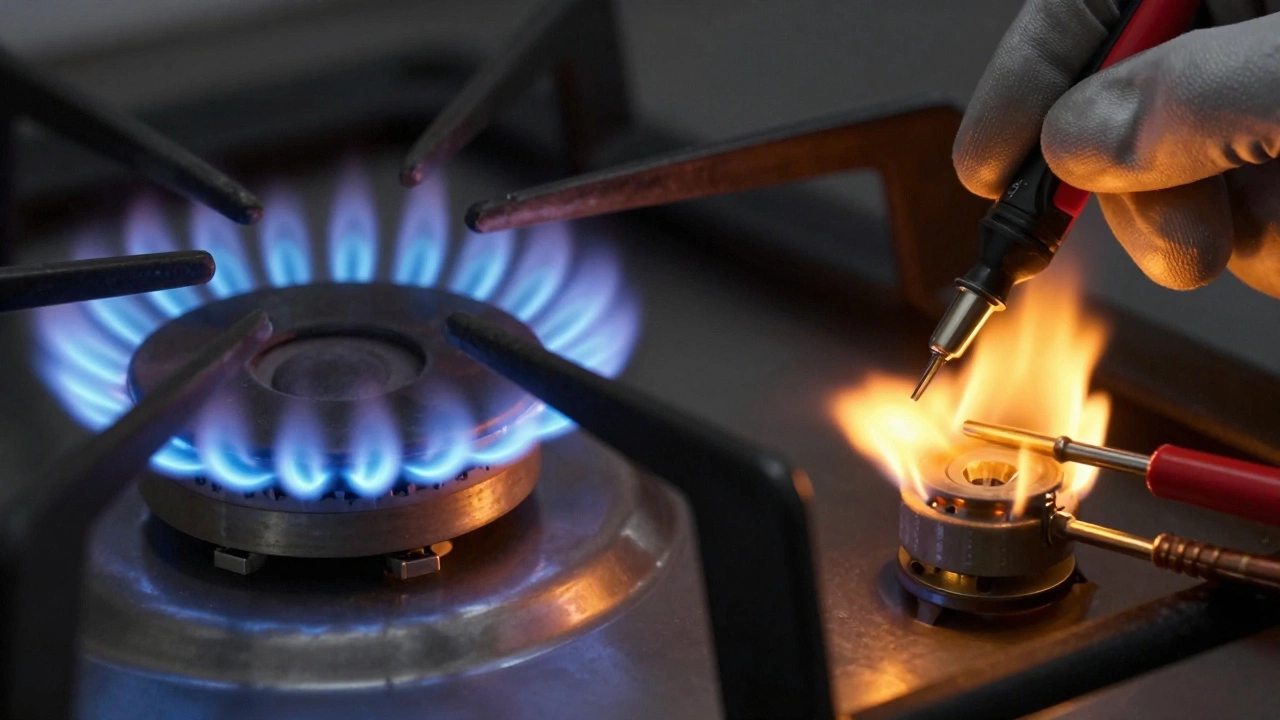
- Yellow or flickering flames instead of steady blue ones. This suggests incomplete combustion, which produces carbon monoxide.
- Visible cracks in the burner assembly or heat exchanger.
- Water pooling around the base of the oven, which could indicate a leaking gas line or venting issue.
If any of these are present, do not wait for a repair quote. Call a licensed gas fitter. In many jurisdictions, including British Columbia, only certified professionals can work on gas lines. Attempting DIY repairs on gas valves or lines can void your home insurance policy.
Age Matters: The 10-Year Cliff
How old is your oven? Most gas ranges have a lifespan of 10 to 15 years. If your appliance is past this mark, even minor repairs become questionable investments. Why? Because other components are likely failing soon.
Think of it like an old car. You fix the brakes, but then the transmission goes. With older ovens, seals degrade, wiring becomes brittle, and electronic boards suffer from heat stress over time. Replacing one part might buy you six months, not six years.
Additionally, energy efficiency has improved significantly. Modern gas ovens use precise electronic ignition systems rather than standing pilot lights, saving money on utility bills. They also feature better insulation and convection fans that cook food faster and more evenly. If your oven is from the early 2010s or earlier, upgrading could pay for itself through lower energy costs and better cooking performance.
DIY vs. Professional Repair
Can you fix a gas oven yourself? For some tasks, yes. Replacing a door gasket, cleaning grates, or swapping out a visibly broken igniter (if you’re comfortable with basic tools) are manageable for handy homeowners. Many manufacturers provide service manuals online with exploded diagrams and part numbers.
However, there are strict boundaries. Never attempt to repair:
- Gas valves or manifolds
- Internal gas lines
- Control boards involving high-voltage electronics
- Ventilation hoods connected to the range
Using a multimeter to test continuity on an igniter is safe if the power is disconnected. But working on live gas connections requires specialized knowledge and leak-testing equipment. A professional technician brings manometers to check pressure and soap solution kits to verify seals. This expertise ensures the job is done safely and up to code.
When Replacement Makes Sense
There are scenarios where replacing your gas oven is clearly the better choice, regardless of repair costs:
- Major Kitchen Renovation: If you’re updating cabinets or countertops, matching a new oven to the new aesthetic makes sense. Mixing old and new styles can look dated quickly.
- Frequent Breakdowns: If you’ve had two or more significant repairs in the last three years, the reliability of the unit is compromised. You’ll spend more time troubleshooting than cooking.
- Feature Obsolescence: Does your current oven lack self-cleaning, convection, or precise temperature control? Newer models offer features that improve convenience and results. Smart connectivity allows remote preheating and monitoring via smartphone apps.
- Warranty Expiration: Once the manufacturer’s warranty lapses, you bear the full cost of every repair. A new oven comes with a 1- to 5-year warranty covering parts and labor, providing peace of mind.
Choosing a New Gas Oven
If you decide to replace, take your time. Gas ranges come in various configurations: slide-in, freestanding, and drop-down. Slide-in models fit neatly between cabinets for a built-in look, while freestanding units are easier to install and often less expensive. Consider your cooking habits. Do you bake frequently? Look for models with excellent temperature stability and large interior capacity. Do you entertain often? A dual-fuel range with a gas cooktop and electric oven might offer the best of both worlds, though at a higher price point.
Check reviews from reputable sources like Consumer Reports or independent appliance blogs. Pay attention to comments about customer service and parts availability. Brands like Bosch, GE Profile, and Whirlpool generally score high for reliability and ease of repair. Avoid obscure brands that may disappear, leaving you without support when issues arise.
Making the Final Decision
So, is it worth fixing your gas oven? Use this checklist:
- Is the repair cost less than 50% of a new oven?
- Is the oven less than 10 years old?
- Are there no safety hazards like gas leaks or carbon monoxide risks?
- Have you not had multiple recent repairs?
If you answered yes to all four, go ahead and repair it. If you answered no to any, lean toward replacement. Remember, a functioning oven is essential for daily life. Don’t let fear of spending money trap you into keeping a unreliable, potentially dangerous appliance. Invest in a solution that works safely and efficiently for years to come.
How much does it cost to fix a gas oven that won't light?
The most common cause is a faulty igniter, which typically costs between $150 and $300 including parts and labor. If the issue is a blocked burner or dirty thermocouple, cleaning might resolve it for free, or a sensor replacement could cost $100-$200.
Can I replace a gas oven igniter myself?
Yes, replacing an igniter is generally considered a DIY-friendly task. You will need to disconnect the power, remove the oven floor panel, unplug the old igniter, and install the new one. Ensure you get the exact model number match from the manufacturer's website.
What are the signs of a gas leak in my oven?
Signs include a distinct rotten egg smell, hissing noises from the back or bottom of the oven, dead vegetation near the exterior wall where the gas line enters, and unexpected spikes in your gas bill. If you suspect a leak, turn off the gas supply and leave the house immediately.
How long do gas ovens typically last?
With proper maintenance, a gas oven lasts between 10 and 15 years. Factors affecting longevity include frequency of use, quality of installation, and regular cleaning of burners and vents. High-end models may last longer due to better build quality.
Is it cheaper to repair or replace an old gas stove?
If the stove is over 10 years old, replacement is often cheaper in the long run due to recurring repair costs and higher energy usage. For newer units under 5 years old, repair is almost always the more economical choice unless the damage is catastrophic.