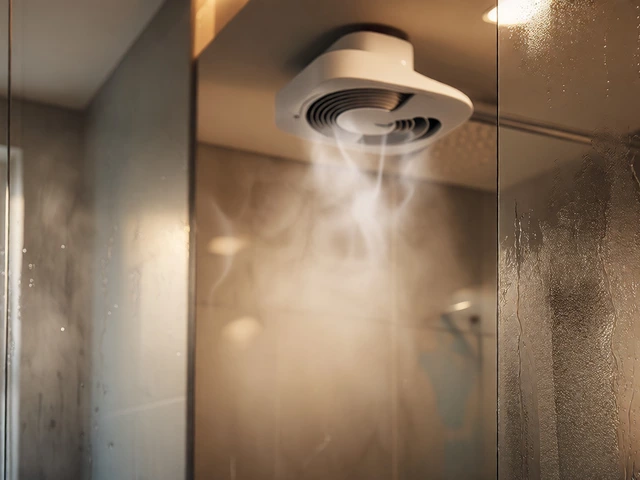
Kitchen Ventilation Risk Calculator
Answer the questions below to determine if you are at risk for mold, grease buildup, or respiratory issues due to poor kitchen ventilation.
You’re cooking up a storm. Steam is rising from the pasta pot, grease is sizzling in the pan, and that rich aroma of garlic is filling your kitchen. But have you ever stopped to wonder if that invisible cloud of moisture and particulates is actually going anywhere? Or worse, does it matter if you don’t have a device sucking it all away?
This isn’t just about comfort. It’s about the structural integrity of your home and the health of your lungs. If you are asking yourself, "is it ok not to have an extractor fan?", the short answer is: technically, maybe, but practically, you are playing with fire-or rather, with water damage and mold.
The Invisible Enemy: Moisture and Grease
Think about what happens when you boil water or fry chicken. You aren’t just making food; you are releasing water vapor and oil droplets into the air. In a sealed modern home, especially one built after the 1980s with tight insulation, this moisture has nowhere to go. Without a mechanical way to remove it, that steam hits your cold surfaces-windows, walls, cabinets-and condenses back into liquid water.
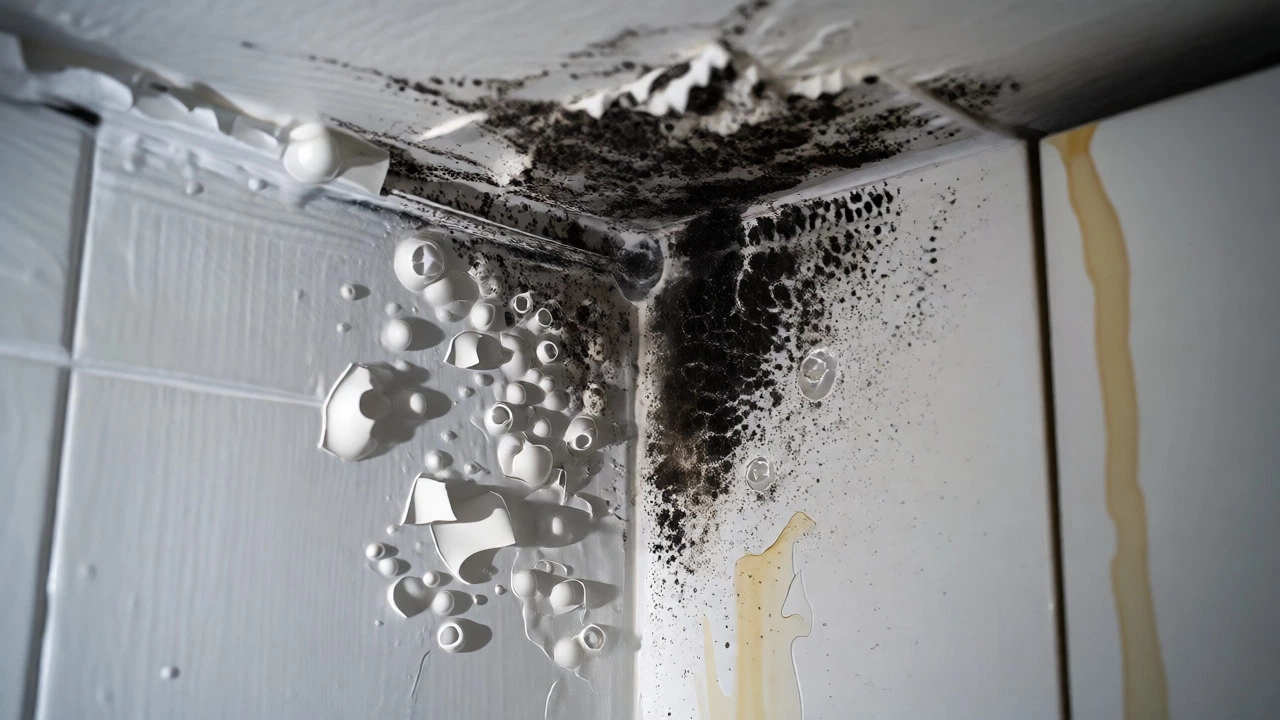
Condensation is the silent killer of drywall and paint. Over time, that constant dampness creates the perfect breeding ground for black mold (Stachybotrys chartarum). You might not see it immediately, but within six months to a year, you could start spotting dark spots in corners or behind furniture. This isn’t just ugly; it’s a respiratory hazard.
Beyond water, there’s grease. Cooking oils aerosolize when heated. They float through the air and eventually settle on every surface in your kitchen and living area. Without extraction, these sticky residues accumulate on cabinets, ceilings, and even electronics. Cleaning becomes a nightmare because the dust sticks to the grease layer, turning into a gritty paste that’s hard to scrub off.
What Do Building Codes Actually Say?
If you’re renting, your landlord might claim they aren’t required to provide one. If you own, you might be wondering if you can legally remove it. The truth depends heavily on where you live and how old your house is.
| Region/Standard | Requirement Status | Key Detail |
|---|---|---|
| United States (IRC) | Mandatory for new builds | Requires venting to outdoors, not just recirculating. |
| Canada (NBC) | Mandatory for kitchens/baths | Must exhaust to exterior unless specific makeup air provided. |
| UK (Building Regs) | Mandatory | Minimum airflow rates specified based on room volume. |
| Older Homes (Pre-1970s) | Often absent | Relied on natural leakage and open windows. |
In most North American jurisdictions, current building codes require mechanical ventilation in bathrooms and often in kitchens. The key word here is "mechanical." Opening a window counts as natural ventilation, but codes increasingly favor active systems because humans are forgetful. We open windows when we remember, but we cook whether we remember or not.
If you are doing a major renovation, inspectors will almost certainly flag the absence of a hood fan. However, if you are just replacing an existing broken unit, some localities allow you to replace it with a similar model without upgrading the ductwork, though this varies by municipality.
Natural Ventilation: Can Windows Do the Job?
"I just open the window," you say. And yes, cross-ventilation works. If you have two windows opposite each other and create a draft, you can clear smoke and steam quickly. But this method has significant downsides:
- Weather Dependence: Try opening a window in Vancouver during a November rainstorm or in Toronto during a January blizzard. You either let freezing cold air in (raising heating bills) or keep it closed (letting moisture build).
- Pollutants: If you live near a busy road, opening a window lets in car exhaust, pollen, and noise along with the fresh air.
- Speed: Natural drafts are slow. A high-CFM extractor fan clears airborne particles in minutes. A draft might take hours, during which time that grease is already settling on your ceiling.
Natural ventilation is passive and inconsistent. Mechanical extraction is active and controllable. For a heavy-use kitchen, relying solely on windows is risky.
The Health Impact: Respiratory Issues and Allergens
Your kitchen is one of the most polluted rooms in your house. Gas stoves, in particular, emit nitrogen dioxide (NO2), carbon monoxide, and formaldehyde. Even electric stoves release ultrafine particles when frying or searing at high heat.
A study published in the journal Environmental Science & Technology found that indoor air pollution levels can be 2 to 5 times higher than outdoor levels, primarily due to cooking emissions. Without proper extraction, these pollutants linger. For people with asthma, allergies, or chronic obstructive pulmonary disease (COPD), this is a direct trigger for flare-ups.
Consider this scenario: You sauté onions. The volatile compounds irritate your eyes and nose. With a good fan, those compounds are sucked out in seconds. Without one, they diffuse throughout the house. Your bedroom down the hall might end up smelling like last night’s dinner, and the microscopic particles might be settling on your pillowcases.
When Is It Acceptable to Skip the Fan?
Are there exceptions? Yes. Context matters.
- Infrequent Cooks: If you only boil eggs or microwave leftovers, your moisture load is low. You might get away with cracking a window occasionally.
- Open Plan Spaces: If your kitchen flows into a large living area with multiple windows and doors, the volume of air dilutes the contaminants faster. However, grease still travels far in open plans.
- Recirculating Hoods: These don’t vent outside. They filter grease and odor through charcoal filters and blow the air back into the room. They do nothing for humidity. If you have a recirculating hood, you still need a strategy for moisture management.
But if you bake bread, boil potatoes, or stir-fry regularly, skipping extraction is a bad trade-off. You save money upfront but pay in repairs and health costs later.
Signs You Need an Extractor Fan Now
How do you know if your current setup is failing? Look for these red flags:
- Foggy Windows: If your kitchen windows are constantly beaded with water during or after cooking, your humidity levels are too high.
- Peeling Paint: Check the edges of cabinets and wall trim near the stove. Bubbling or peeling indicates moisture penetration.
- Musty Smell: A persistent damp odor suggests mold growth in hidden spaces, like inside cabinet boxes or under sinks.
- Yellowing Walls: Tobacco-like staining on white walls or ceilings near the cooking area is a sign of accumulated nicotine or cooking residue.
If you spot any of these, installing or repairing an extractor fan isn’t just a luxury-it’s necessary maintenance.

Choosing the Right System: Ducted vs. Recirculating
If you decide to install one, you have two main choices. Understanding the difference is crucial for effectiveness.
| Feature | Ducted (External Venting) | Recirculating (Internal Filter) |
|---|---|---|
| Moisture Removal | Excellent. Physically removes humid air. | None. Air stays in the room. |
| Odor Removal | Good, if airflow is strong. | Moderate, relies on activated carbon filters. |
| Grease Capture | Captured in metal mesh filters. | Captured in mesh + carbon filters. |
| Installation | Complex. Needs ductwork to outside. | Simple. Mounts under cabinet. |
| Maintenance | Clean grease filters monthly. | Replace carbon filters every 3-6 months. |
For true protection against mold and structural damage, ducted systems are superior. They physically eject the problem. Recirculating hoods are better than nothing-they catch some grease and smells-but they leave the humidity behind. If you must use a recirculating hood, consider adding a dehumidifier to your kitchen routine.
Maintenance Matters More Than Presence
Here is a secret many homeowners miss: An extractor fan that doesn’t work is worse than no fan at all. Why? Because it gives you false confidence. You turn it on, assume it’s working, and continue cooking. But if the motor is burnt out, the duct is blocked by bird nests, or the flapper valve is stuck shut, zero air is moving.
To ensure your system is effective:
- Check the Flapper Valve: When the fan is off, the external vent should be closed. When on, it should open fully. If it’s frozen shut by ice or debris, hot air backs up into the attic.
- Clean the Filters: Grease-clogged filters restrict airflow dramatically. Wash aluminum mesh filters in hot soapy water or the dishwasher monthly.
- Test Airflow: Hold a piece of tissue paper near the intake while the fan runs. It should stick firmly. If it barely moves, you have a blockage or a weak motor.
Regular cleaning extends the life of the motor and keeps your kitchen safe. Neglect leads to overheating and eventual failure, leaving you right back where you started-without protection.
Final Verdict: Is It Worth the Effort?
Living without an extractor fan is possible, but it comes with a tax. That tax is paid in increased cleaning labor, higher risk of mold remediation costs, potential health issues, and reduced resale value. Most buyers today expect functional ventilation. A missing or broken fan can raise red flags during a home inspection.
If you are in a climate with distinct seasons like Vancouver, the humidity challenge is real. Our wet winters mean our homes are already struggling with moisture balance. Adding cooking steam without a way to vent it accelerates decay. So, while you won’t face immediate disaster if you skip the fan for a few weeks, long-term omission is a gamble against your home’s envelope.
Invest in the hardware. Keep it clean. Breathe easier. Your kitchen-and your lungs-will thank you.
Can I install an extractor fan myself?
If you have basic electrical skills and access to an exterior wall or roof, yes. Many under-cabinet models plug into standard outlets. However, if you need to cut into the roof for ducting or run new wiring, hiring a professional is safer and ensures code compliance.
Do microwaves count as extractor fans?
Only if they are ducted externally. Most over-the-range microwaves are recirculating, meaning they just blow air back into the kitchen. They capture some grease but do little for humidity. Check your manual to see if yours vents outside.
How loud should an extractor fan be?
Loudness is measured in Sones. Under 1.5 Sones is very quiet. 1.5 to 3 Sones is noticeable but acceptable. Above 4 Sones is quite loud. Look for fans with insulated motors and larger impellers, which move more air with less noise.
Does an extractor fan help with cooling?
Indirectly, yes. By removing hot, humid air generated by cooking, it reduces the thermal load on your air conditioning system. It also prevents that sticky, muggy feeling associated with high humidity.
What happens if my extractor fan vents into the attic?
This is a common mistake. Warm, moist air trapped in a cold attic condenses on rafters and insulation, leading to wood rot and mold growth on the roof structure. Always ensure the fan vents directly to the outdoors.