Dishwasher Repair vs. Replace Calculator
Enter your costs to see if a repair is financially viable based on the 50% Rule.
---
Quick Reality Check
- Repair it if: The cost is under 50% of a new unit and the rest of the machine is in great shape.
- Replace it if: The main control board is fried or the tub has a leak that can't be patched.
- The Magic Number: A 4-year-old machine is usually in its "prime," meaning a repair often makes sense unless it's a catastrophic failure.
The 50% Rule and the Age Factor
In the world of home maintenance, there is a gold standard called the 50% Rule. It's simple: if the cost to fix the machine exceeds 50% of the price of a new, comparable model, you toss it. Since your machine is only four years old, you're likely well within the expected lifespan of a modern unit. Dishwasher repair is the process of restoring a malfunctioning automatic dishwashing machine to working order through part replacement or mechanical adjustment. Most mid-range units are designed to last 9 to 12 years.
At the four-year mark, you've already paid off the "depreciation hit." A new dishwasher today will likely cost you anywhere from $500 to $1,200. If a technician tells you that a new pump or a door seal will cost $200, you're saving a massive amount of money by choosing the repair over a full replacement. However, you have to look at the total cost, including the service call fee, which usually ranges from $75 to $150 just for the pro to show up and diagnose the problem.
Common Failures: What's Actually Fixable?
Not all breakages are created equal. Some are quick wins, while others are death sentences for your appliance. Let's look at what typically goes wrong around year four.
First, consider the Drain Pump. This is the mechanical component responsible for pushing dirty water out of the tub and into the home's plumbing. If your dishwasher isn't draining, it's often just a clog or a failed pump. Replacing a pump is a standard job and usually costs between $150 and $300. This is almost always worth it for a 4-year-old machine.
Then there's the Heating Element. This is the electric coil at the bottom of the tub that heats the water and dries the dishes. When this goes, your dishes come out wet and greasy. A new element is relatively cheap, and the labor isn't too intense. Again, a huge win for the "repair" column.
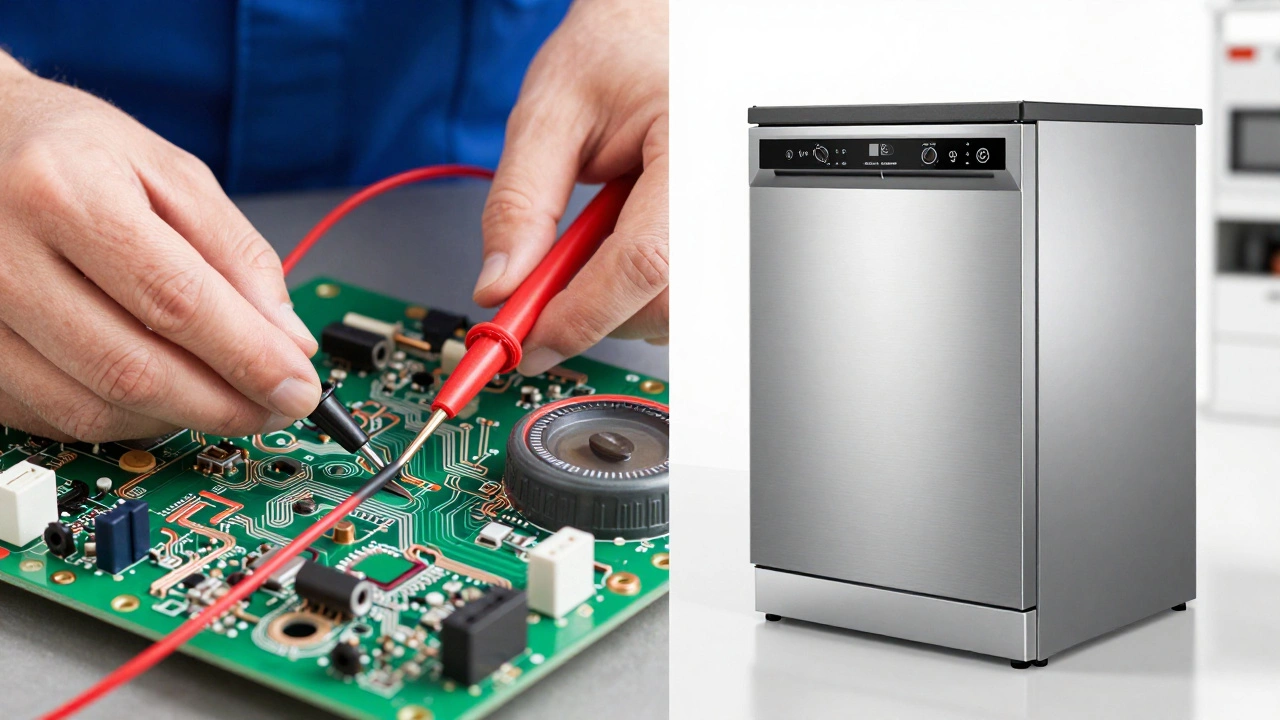
The real danger zone is the Control Board. Think of this as the brain of the machine. It's the printed circuit board that manages the timing, water levels, and temperature of the wash cycles. If the board fries due to a power surge, the cost of the part plus the specialized labor can easily push you toward that 50% threshold. If the board is gone and the machine is a budget model, it might be time to shop for a new one.
| Common Issue | Average Repair Cost | Worth It? | Risk Level |
|---|---|---|---|
| Clogged Drain/Pump | $150 - $300 | Yes | Low |
| Door Gasket/Seal | $100 - $200 | Yes | Very Low |
| Heating Element | $200 - $350 | Yes | Low |
| Main Control Board | $300 - $600 | Maybe | Medium |
| Tub Leak (Cracked) | $500+ | No | High |
The Hidden Costs of Buying New
When people think about replacing a machine, they only look at the price tag on the box. But replacing a 4-year-old dishwasher isn't just about the unit cost. You have to account for the "hassle factor." You'll need to spend time researching Energy Star ratings to ensure you aren't spiking your electric bill. Then there's the delivery fee and the installation cost. If you aren't a DIY pro, paying a plumber to hook up the Water Supply Line and the drain hose can add another $100 to $200 to the bill.
Moreover, modern dishwashers are becoming more complex. We're seeing more sensors and touch-panels that, while fancy, are often more prone to failure than the rugged mechanical switches of older models. By repairing your current unit, you're keeping a machine whose quirks you already understand. If you've had no other issues with it for four years, it's likely a "good" unit from a reliable batch.
When to Walk Away
There are a few scenarios where you should stop fighting and just buy a new one. First, if the Dishwasher Tub is leaking from the bottom. The tub is the actual basin that holds the water. If the stainless steel or plastic has a hairline crack or a failed seam, you can't really "patch" that effectively. It's a structural failure.
Second, consider the brand's reputation. If you own a model known for systemic failures-meaning there are thousands of forum posts about the same specific part breaking on that model-fixing it is just delaying the inevitable. You'll spend $200 today, only for a different part of the same flawed system to break in six months. In that case, moving to a brand with better reliability ratings is a smarter long-term play.
Pro Tips for Extending the Life of Your Next Repair
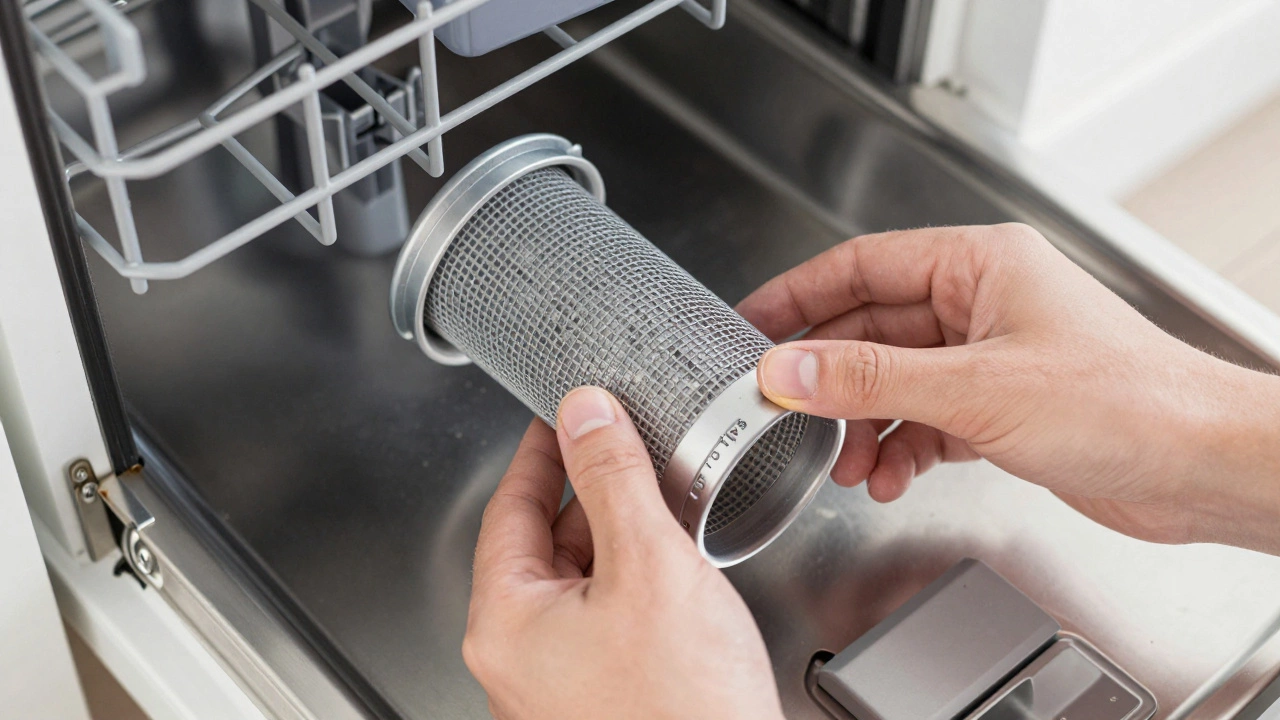
Whether you fix the current one or buy a new one, you can prevent another breakdown by changing a few habits. Most "broken" dishwashers are actually just victims of poor maintenance. For instance, the Filter-the mesh screen that catches food particles-needs to be cleaned by hand at least once a month. If you let a thick sludge of grease and old food build up, you put immense pressure on the pump, which leads to the very failures we discussed earlier.
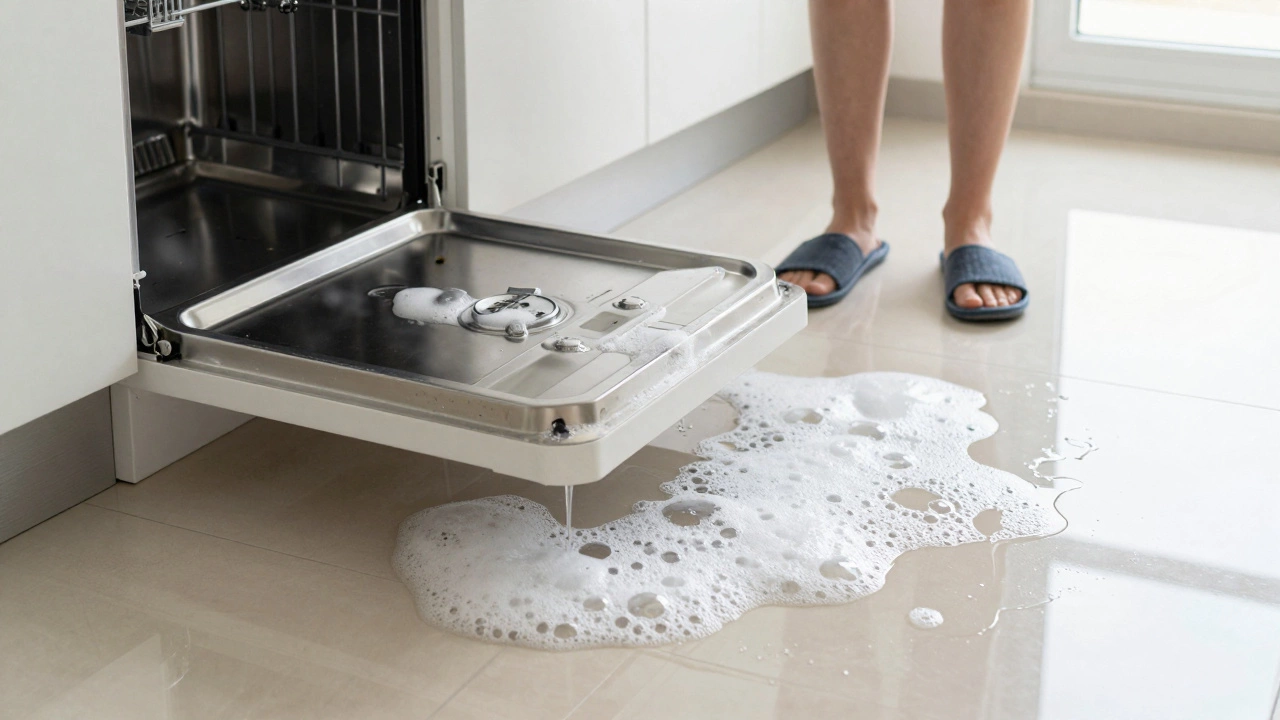
Another tip: stop using too much detergent. Many people use a full pod for a half-load, creating an excess of foam. This foam can leak into the electronics or put unnecessary strain on the seals. Use the recommended amount, and if you have a soft-water area, consider reducing the detergent even further. Your machine will thank you, and your wallet won't have to deal with another repair bill so soon.
Will a repair void my warranty?
Since your dishwasher is 4 years old, the standard one-year manufacturer's warranty has almost certainly expired. However, if you have an extended warranty or a home insurance plan, always call them first. Using an unauthorized repair person can sometimes void specific extended warranties, but for a standard 4-year-old machine, you're likely paying out of pocket anyway.
Is it cheaper to fix it myself?
Yes, if you're handy. A part that a pro charges $250 to install might only cost $60 on a parts website. However, you risk making the problem worse if you don't know how to properly seat a seal or calibrate a sensor. If you're not comfortable working with electricity and water, the $150 labor fee is a fair price for peace of mind.
Do newer dishwashers actually clean better?
Not necessarily. While new models have better energy efficiency and quieter operation (often measured in decibels), the actual cleaning power hasn't leaped forward drastically in four years. Unless you're moving from an ancient 20-year-old model, you won't notice a massive difference in cleanliness.
How do I know if the control board is actually broken?
Signs of a failing board include "ghost" button presses, the machine refusing to start even with power, or the cycle stopping randomly in the middle. A technician can use a multimeter to test the voltage and confirm if the board is dead or if it's just a faulty wire.
What is the most reliable dishwasher brand for 2026?
Reliability varies by year, but brands like Bosch and Miele consistently rank high for longevity and build quality, though they come with a higher upfront price. Budget-friendly brands are fine, but they often rely more on plastic components that wear out faster than the stainless steel found in premium models.
What to do next
If you're still undecided, start by performing a "deep clean." Clear the filter, check the spray arms for blockages, and run a cycle with a commercial dishwasher cleaner. You might find that your "broken" machine is just dirty. If that doesn't work, call a local technician for a diagnostic visit. Once you have the hard number for the repair, apply the 50% rule. If the cost is low and the machine has been a reliable workhorse, fix it and keep it running for another four years.