Oven Element Diagnostic Tool
Step 1: Symptom Checker
Check all that apply to your current oven situation:
Step 2: Multimeter Confirmation
If you have a multimeter, enter the reading you got from the element terminals:
- Visual check for blisters or breaks in the coil.
- Testing if the oven takes significantly longer to preheat.
- Checking for "cold spots" during baking.
- Using a multimeter to check for continuity.
- Confirming the oven isn't just in "Demo Mode" or "Sabbath Mode."
Spotting the Obvious Visual Clues
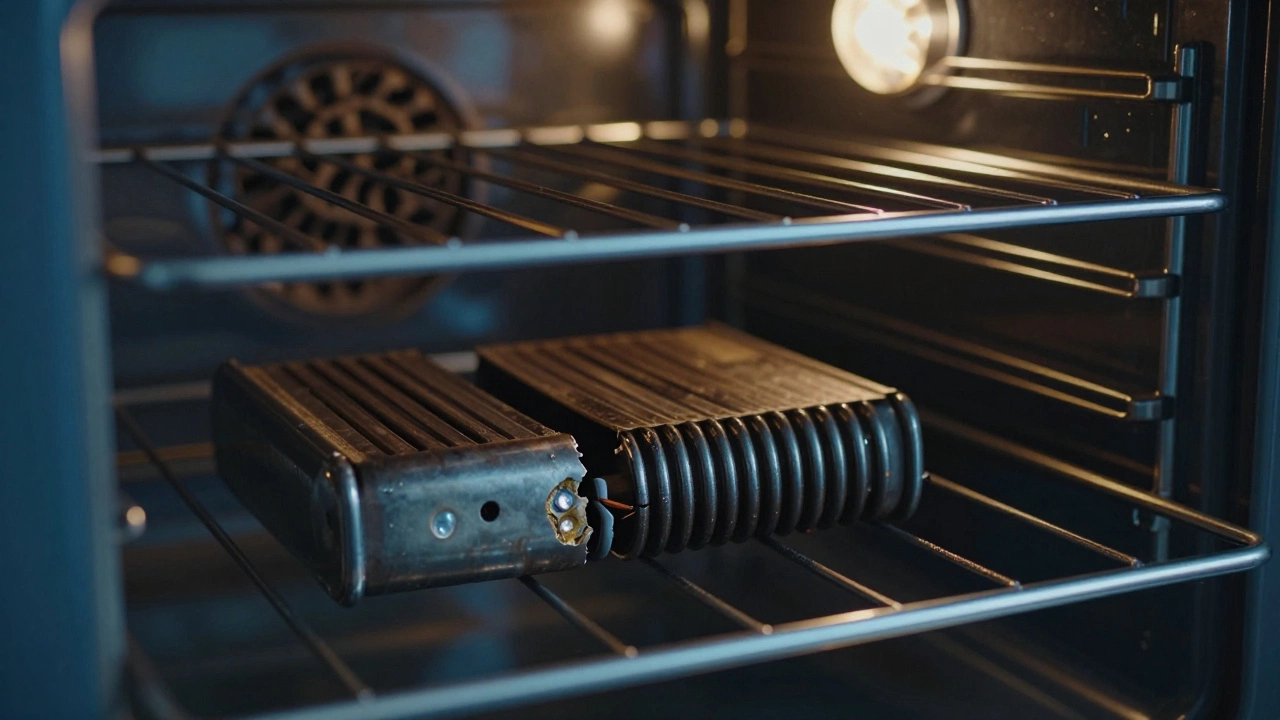
Before you grab any tools, just look at the element. An Electric Oven Element is a metal heating coil that converts electrical energy into heat via resistance. Over time, the metal fatigues and breaks. If you see any blistering, pitting, or a clear break in the coil, it's done. A blister looks like a small bubble on the surface of the metal; this is where the internal insulation has failed, and the element has likely shorted out.
If you're lucky, you might actually see a gap where the coil has snapped. Even a tiny crack can stop the flow of electricity. If the element looks brand new but the oven isn't heating, the problem could be internal, or it might be a different part entirely, like a faulty sensor or a blown fuse.
The "Slow Heat" and Cold Spot Warning
Not every failure is an "all or nothing" situation. Sometimes an element starts to fail gradually. You might notice that your oven, which used to hit 350°F in ten minutes, now takes twenty. Or, you'll find that your cookies are burnt on one side and raw on the other. This often happens with the bake element (the one at the bottom) when it develops a partial short.
Another weird sign is a sudden surge in electricity. If your lights flicker when the oven kicks on, the Heating Element might be grounding out against the oven wall, creating a short circuit. This is a safety hazard and means you should stop using the appliance immediately.

Testing for Continuity with a Multimeter
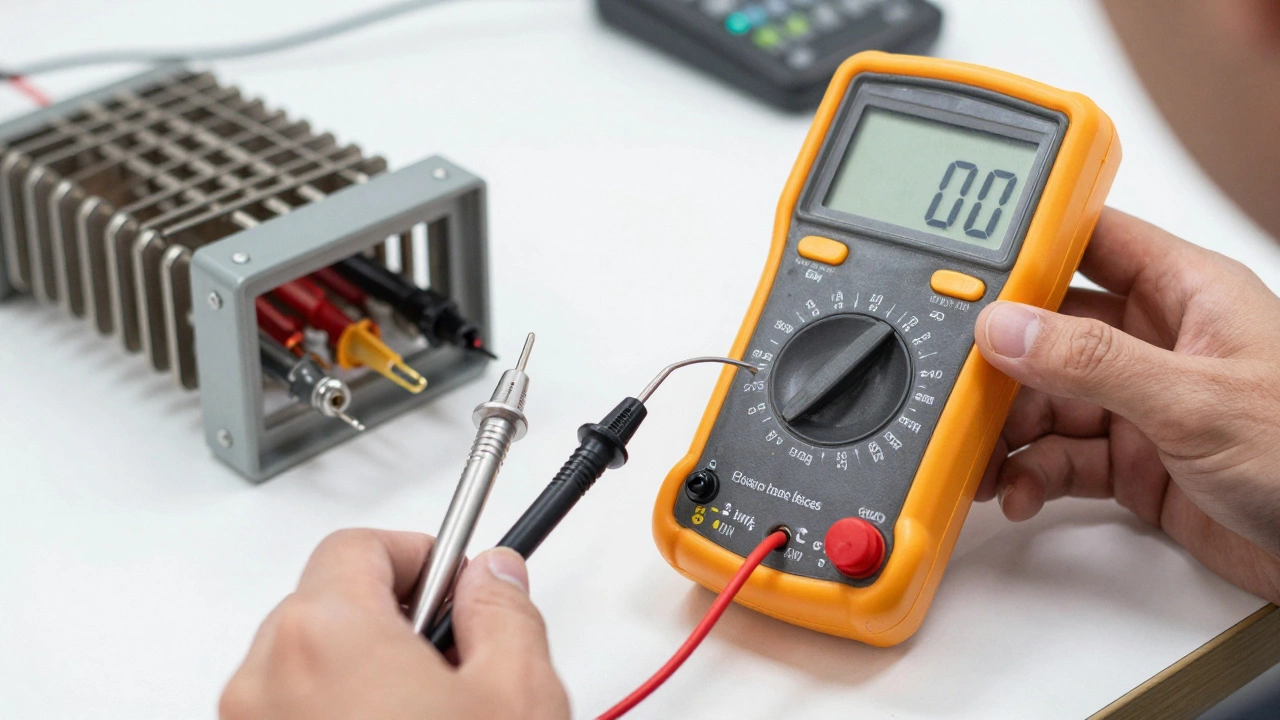
If the element looks fine but doesn't work, you need to test for continuity. This is the only way to be 100% sure. A Multimeter is an electronic measuring instrument that can measure voltage, current, and resistance. You're essentially checking if electricity can flow from one end of the element to the other without a break.
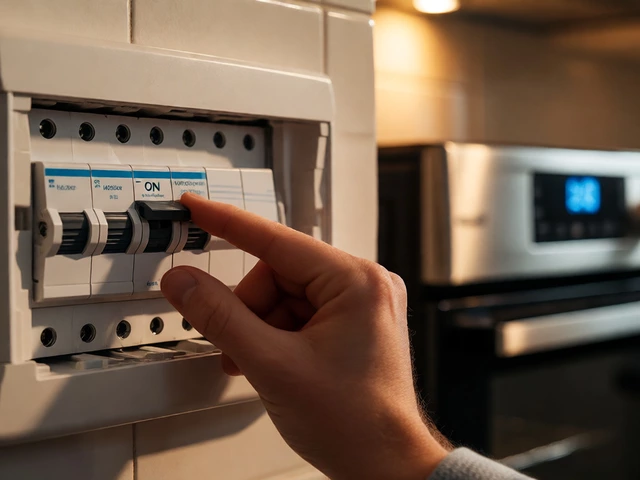
- Safety First: Unplug the oven or flip the circuit breaker. Never touch a multimeter to a live element.
- Access the Terminals: Remove the element from the oven wall. You'll usually find two screws holding it in place. Pull the element forward to expose the wire connections.
- Set the Meter: Turn your multimeter to the lowest Ohms (Ω) setting or the continuity setting (the one that beeps).
- Touch the Terminals: Place one probe on each of the two terminals of the element.
If the meter shows a reading (usually between 10 and 50 ohms depending on the model), the element is fine. If the screen stays at "OL" (Open Loop) or doesn't move at all, the circuit is broken inside the coil. That's your confirmation: the electric oven element is bad and needs replacing.
| Reading | Meaning | Action Required |
|---|---|---|
| Low Resistance (10-50 Ω) | Element is intact | Check thermostat or control board |
| "OL" or Infinite | Broken circuit (Open) | Replace the element |
| 0 Ω (Zero) | Short circuit | Replace the element immediately |
Comparing Bake vs. Broil Elements
Most ovens have two separate elements. It's common for one to die while the other keeps working. If your bottom heat is gone but the top grill works, your bake element is the problem. If you can't brown the top of a casserole but the bottom is cooked, the broil element has failed.
It's important to note that these are not interchangeable. A Bake Element is designed for steady, radiating heat, while a Broil Element is usually made of a different alloy to handle the intense, direct heat required for searing.
When it's NOT the Element
If you've tested the element and it's healthy, the problem lies elsewhere. The most common culprit is the Oven Temperature Sensor. This is a small probe that tells the control board when to stop heating. If the sensor is out of calibration, it might tell the oven it's already at 400°F when it's actually only 100°F, causing the element to shut off prematurely.
Another possibility is a failed Relay on the main control board. The relay is the electrical switch that sends power to the element. If the relay sticks or burns out, the element will never receive power, regardless of how "healthy" the coil is. If you hear a click from the control panel but the element doesn't glow, the relay is likely working, and the issue is the element itself.
Can a bad element cause my oven to trip the circuit breaker?
Yes. If the internal insulation of the element breaks and the heating wire touches the outer metal sheath, it creates a direct short to ground. This draws a massive amount of current instantly, which trips your home's circuit breaker to prevent a fire.
How long do oven elements typically last?
Most elements last between 7 and 12 years. Their lifespan depends on how often you use the oven and whether you use high-heat settings (like self-cleaning mode) frequently, which puts a lot of thermal stress on the metal.
Is it safe to replace the element myself?
Generally, yes, provided you completely disconnect the power. Replacing an element usually involves removing a few screws and two wires. If you are uncomfortable working with electrical terminals, call a professional.
Why does my oven smell like burning plastic when I turn it on?
If it's a brand new element, a slight smell is normal as the factory coating burns off. However, if it's an old element, a burning plastic smell could indicate that the wiring connectors are overheating or melting due to a loose connection.
Can I use the oven if only one element is working?
You can, but your results will be poor. If the bake element is gone, you can't cook cakes or roasts properly. If the broil element is gone, you can't toast or brown food. It's safe, but not practical.
Next Steps for Repair
If you've confirmed the element is dead, your first step is to find the exact model number of your oven. This is usually found on a sticker around the oven door frame or inside the storage drawer. Elements are not universal; using the wrong one can lead to improper heating or even electrical shorts.
Once you have the part, make sure to inspect the wires that connected to the old element. If the wires look charred or brittle, you might need to replace the wire connectors as well. Simply twisting new wires onto old, burnt ones is a recipe for another failure down the road.