Boiler Replacement Cost Estimator
Use this tool to get a realistic estimate for your new boiler installation. Select your options below to see how different choices affect the final price.
Your Estimated Total Cost
Cost Breakdown
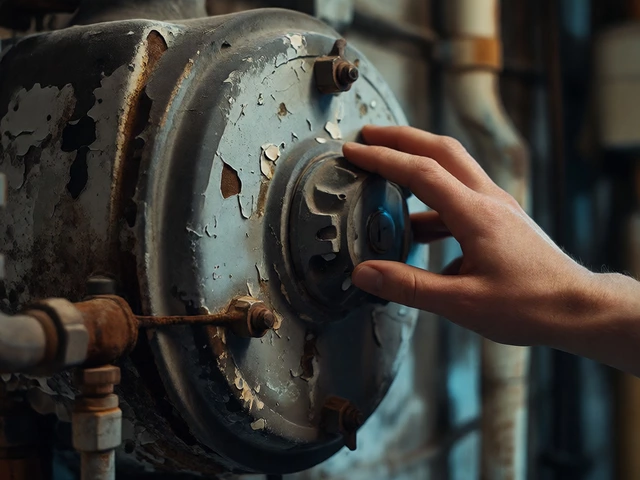
You’re staring at your old, clunky boiler. It’s making that rattling noise again, or maybe it just quit on you in the middle of a cold shower. The question isn't just "can I fix this?" but "what will it actually cost to replace it?" You want numbers, not vague estimates. Here is the blunt truth: replacing a boiler typically costs between $2,500 and $8,000 in the US, depending heavily on the type you choose and how complex your current setup is. This isn't just about buying a metal box; it's about heating efficiency, safety, and long-term savings.
Quick Summary / Key Takeaways
- Total Cost Range: Expect to pay $2,500-$8,000 for supply and professional installation.
- Boiler Type Matters: Combi boilers are cheapest ($2,500-$4,500); System and Regular boilers cost more due to extra components like tanks.
- Labor is Significant: Installation labor alone can range from $1,000 to $3,000, especially if gas lines or flues need moving.
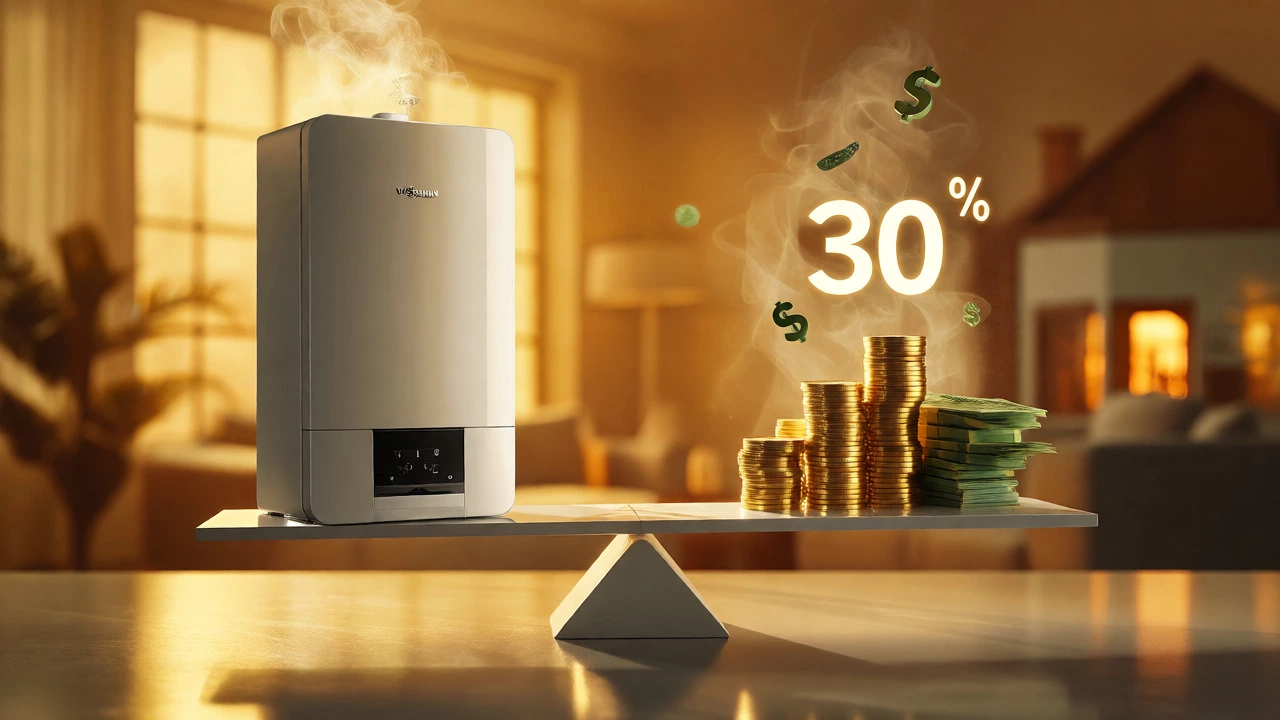
- Efficiency Saves Money: High-efficiency condensing boilers may cost more upfront but cut energy bills by up to 30%.
- Permits Required: Most local jurisdictions require permits for new gas or electric connections, adding $50-$200 to the bill.
The Real Price Breakdown: Supply vs. Labor
When you get a quote, don't just look at the bottom line. Ask for a split between parts and labor. Why? Because sometimes a handyman might give you a low labor rate but overcharge for the unit, or vice versa. Generally, the boiler unit itself accounts for 40-50% of the total cost. The rest goes to the expertise required to hook it up safely.
If you're looking at a standard Combi Boiler, which heats water directly from the mains without a storage tank, you're looking at hardware costs of roughly $1,500 to $3,500. These are popular because they save space. But wait-labor isn't cheap here either. If your existing pipes fit perfectly, installation might take a day and cost around $1,000. If the plumber needs to reroute gas lines or install a new flue through a different wall, add another $500 to $1,500 for labor and materials.
What about high-end models? Brands like Viessmann or Rinnai offer premium units with better warranties and quieter operation. A top-tier combi boiler might set you back $4,000 just for the unit. Is it worth it? If you plan to stay in your home for ten years, yes. The reliability and lower maintenance often outweigh the initial sticker shock.
Types of Boilers and Their Specific Costs
Not all boilers are created equal. Your choice depends on your home's layout and hot water demands. Let's break down the three main types you'll encounter.
| Boiler Type | Best For | Unit Cost | Installation Complexity | Total Avg. Cost |
|---|---|---|---|---|
| Combi Boiler | Small homes, limited space | $1,500 - $3,500 | Low to Medium | $2,500 - $4,500 |
| System Boiler | Homes with multiple bathrooms | $2,000 - $4,000 | Medium | $3,500 - $5,500 |
| Regular (Conventional) Boiler | Older systems with gravity-fed water | $2,500 - $4,500 | High | $4,000 - $7,000+ |
Combi Boilers are the go-to for most modern replacements. They combine heating and hot water in one unit. No bulky tanks in your attic or airing cupboard. This simplicity keeps costs down. However, if you have two people trying to shower at once while someone does dishes, pressure might drop. That's where System Boilers come in. They use a cylinder to store hot water, ensuring steady flow even when demand spikes. The catch? You need space for that cylinder, and installing one adds complexity-and cost.
Regular Boilers are relics of older heating systems. They rely on a cold water feed tank and a hot water cylinder, usually located in the loft. If you already have this setup, swapping a regular boiler for another regular one is straightforward. But converting from a regular to a combi system? That involves removing tanks, repiping, and potentially upgrading your water pressure. This conversion can easily push your total project cost toward the $7,000-$9,000 mark.
Hidden Costs That Sneak Up on You
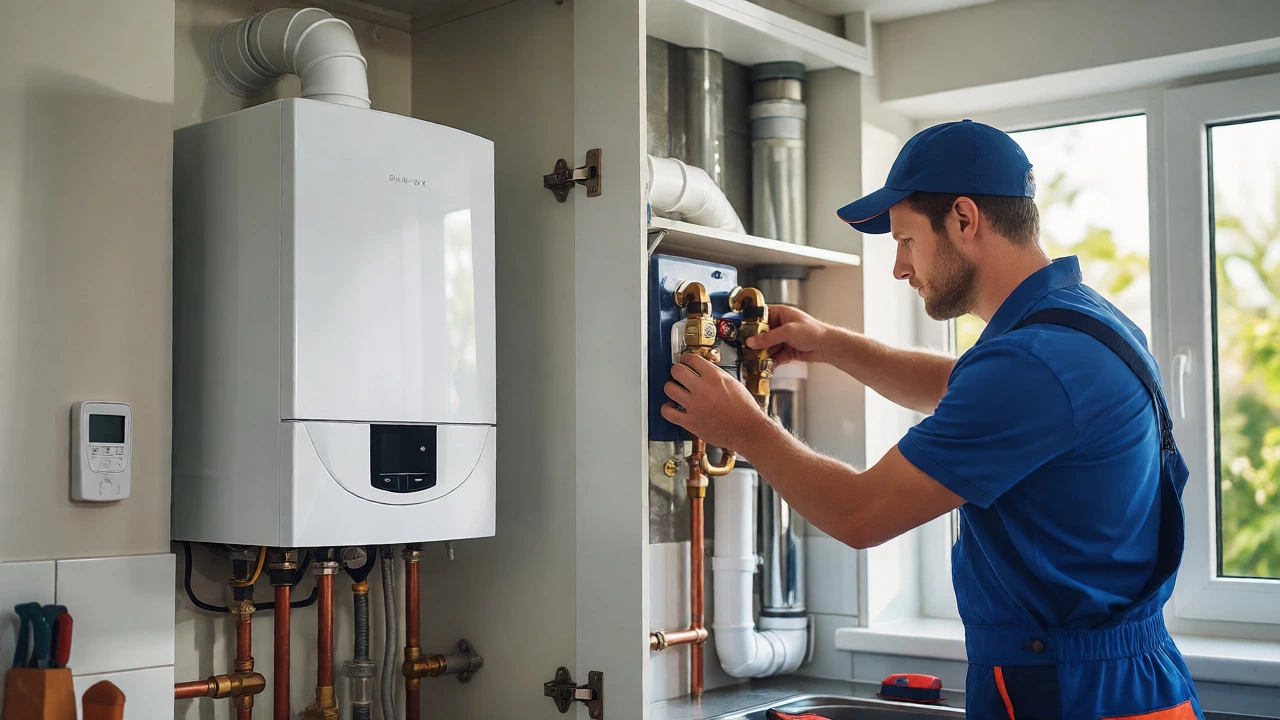
You budgeted $4,000. The final invoice says $5,800. What happened? Hidden costs are common in boiler installations. First, check your flue. Modern condensing boilers need specific plastic flues that can be routed horizontally through a wall or vertically through the roof. If your old boiler used a brick chimney, sealing it off and installing a new flue path can cost $300-$800.
Then there's the gas connection. Does your meter have enough capacity? If you're switching from an electric heater to a gas boiler, or upgrading to a larger unit, you might need a gas pipe upgrade. Running new copper piping through walls or under floors isn't cheap. Each foot of exposed pipework can add $10-$20 to the bill. Don't forget asbestos testing if your home was built before 1980. Removing old insulation around pipes can add $200-$500 to the project.
And what about smart controls? Adding a Wi-Fi thermostat like Nest or Ecobee doesn't just look cool; it allows you to control heating remotely, potentially saving 10-15% on energy bills. These devices cost $100-$300 plus installation fees. While optional, they're increasingly standard in modern installs.
DIY vs. Professional Installation: Can You Save?
Can you do it yourself? Technically, yes. But should you? In most places, connecting a gas appliance requires a licensed professional. Insurance companies often void policies if unlicensed work is done on gas lines. Plus, improper installation can lead to carbon monoxide leaks-a silent killer.
If you hire a pro, ensure they are Gas Safe registered (or equivalent in your region). A reputable installer will provide a warranty on both parts and labor. DIY saves money on labor, sure, but risks costly mistakes. One bad joint can cause water damage that costs thousands to repair. For electric boilers, DIY is more feasible, but gas remains strictly pro territory for most homeowners.
Financing and Rebates: Lowering the Sticker Shock
A $6,000 hit to your savings hurts. But you might qualify for rebates. Federal tax credits for energy-efficient appliances often cover 30% of the cost up to $2,000 for qualifying heat pumps and some high-efficiency boilers. Check the IRS website for current year eligibility.
Local utility companies also offer rebates for switching to high-efficiency models. Some states provide grants for low-income households to upgrade heating systems. Always ask your installer if they handle rebate paperwork. Many will apply for these discounts on your behalf, deducting them from the final bill.
Financing options exist too. Many HVAC companies offer 0% APR financing for 12-24 months. Read the fine print though. Deferred interest means if you don't pay it off in time, you owe all the accrued interest retroactively.
When to Repair vs. Replace
Is your boiler really dead? Sometimes, a $300 repair beats a $5,000 replacement. Use the "Rule of Thumb": If the repair cost exceeds 50% of the replacement cost, replace it. Also, consider age. If your boiler is over 15 years old and breaking down frequently, it's likely nearing end-of-life. Newer models are significantly more efficient, often paying for themselves in energy savings within 5-7 years.
Watch for signs like yellow flames (should be blue), frequent pilot light outages, or strange noises. If you see soot buildup around the boiler, get it checked immediately. That could indicate incomplete combustion, a serious safety hazard.
How long does it take to install a new boiler?
A straightforward replacement of a combi boiler usually takes 4 to 8 hours. If you are converting from a system or regular boiler to a combi, or if new pipework and flues are needed, the job can take 1 to 3 days.
Do I need a permit to replace my boiler?
Yes, in most municipalities, replacing a boiler requires a building permit and a plumbing/gas permit. This ensures the installation meets local safety codes. Failure to obtain permits can result in fines and issues when selling your home.
Which boiler brand is the most reliable?
Brands like Viessmann, Rinnai, Navien, and Bosch consistently rank high for reliability and customer support. Look for brands offering extended warranties (10+ years) as a sign of confidence in their product longevity.
Can I move my boiler to a different location?
Yes, but it increases costs significantly. Moving a boiler requires extending gas lines, water pipes, and installing a new flue path. Expect to add $1,000 to $2,500 to your base installation cost for relocation.
Are electric boilers cheaper to run than gas?
Electricity is generally more expensive per unit of energy than natural gas in most regions. While electric boilers have lower installation costs and no gas line requirements, their operational costs are usually higher unless you have solar panels generating excess power.