Boiler Lifespan & Replacement Estimator
Input Your Boiler Details
Enter your details to see an estimate of how many years your boiler might have left.
Estimated Status
You’re standing in your utility room, staring at that humming metal box on the wall. It’s been keeping you warm for a while now, but lately, it sounds like it’s arguing with itself. You wonder: is this a simple fix, or is the end of the line here? The average boiler lasts between 10 and 15 years, though high-efficiency condensing models can stretch to 20 years with meticulous care. But averages are misleading. Your specific unit might be ready for retirement in two years, or it could have another decade left, depending entirely on what it’s made of and how well you’ve treated it.
Knowing the expected lifespan isn’t just about curiosity; it’s a financial strategy. Replacing a heating system costs thousands. If you know your cast-iron beast has 15 years left, you save up slowly. If your cheap plastic heat exchanger is failing at year eight, you need to act before winter hits Vancouver hard. Let’s break down exactly how many years you can expect from different types of boilers and the signs that tell you when the clock has run out.
The Material Matters More Than the Brand
Most people ask about brands-Vaillant, Worcester Bosch, Navien-but the real determinant of longevity is the material used in the heat exchanger. This is the heart of the boiler, where water meets flame (or electric element) to get hot. If this part cracks or corrodes, the boiler is dead.
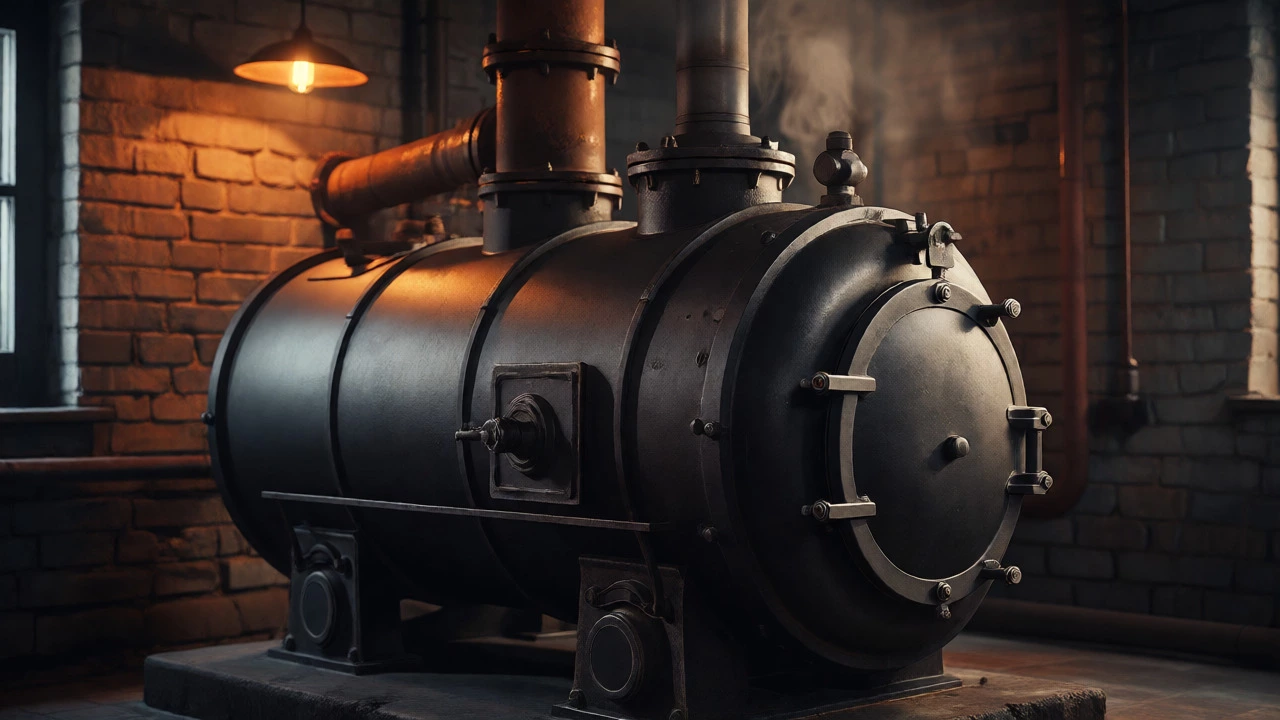
Cast Iron is the gold standard for durability. These units are heavy, expensive, and virtually indestructible if maintained properly. It’s not uncommon to see cast iron boilers running strong after 30 or even 40 years. They resist corrosion better than almost anything else because they are thick. However, they are inefficient by modern standards and often lack the smart controls we’re used to today.
Steel boilers were the middle child for decades. They are lighter and cheaper than cast iron but more susceptible to rust. A steel boiler typically lasts 15 to 20 years. The weak point is usually the welds or the thin walls where water pressure stresses the metal over time. Once a leak starts in a steel tank, patching it is rarely worth the cost compared to replacement.
Copper heat exchangers are common in older residential systems and some commercial units. Copper resists corrosion well but suffers from thermal stress. Over thousands of heating cycles, the expansion and contraction can cause micro-fractures. Expect 15 to 20 years from copper, but watch out for pinhole leaks, which are notoriously difficult to find until water damage appears.
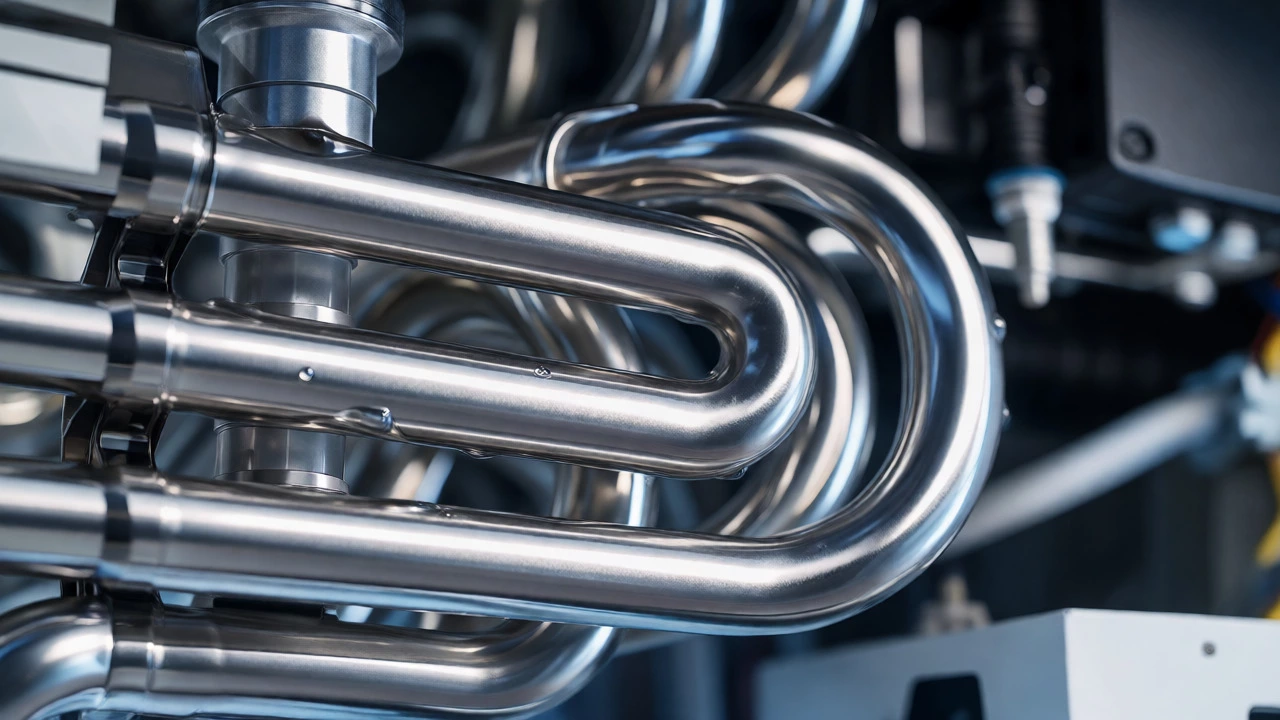
Modern Stainless Steel and aluminum-silicon alloys dominate the current market. Stainless steel is excellent for longevity, often matching cast iron at 20+ years, but it’s pricey. Aluminum is lightweight and conducts heat beautifully, making it great for efficiency, but it reacts poorly to certain water chemistries. If you have acidic water or poor pH balance, an aluminum heat exchanger can degrade rapidly, sometimes failing in under 10 years.
| Material | Average Lifespan | Key Vulnerability | Maintenance Need |
|---|---|---|---|
| Cast Iron | 25-40+ Years | Thermal Shock | Annual flushing |
| Stainless Steel | 20-30 Years | Pitting Corrosion | Low |
| Copper | 15-20 Years | Pinhole Leaks | Water treatment |
| Aluminum Alloy | 10-15 Years | Acidic Water Damage | High (pH monitoring) |
| Plastic/Composite | 8-12 Years | Brittle Failure | Minimal |
Combi vs. System vs. Conventional: Does Type Change Life?
You might hear that combi boilers (combination boilers) don’t last as long as traditional systems. There is truth to this, but not for the reason most people think. Combi boilers do everything at once-heating your home and providing instant hot water. This means they work harder and cycle on and off more frequently. That extra mechanical stress wears out pumps, valves, and diverter valves faster.
A typical combi boiler might start needing significant repairs around year 8 to 10. In contrast, a system boiler that only handles central heating, relying on a separate cylinder for hot water, has less to do. With fewer moving parts working simultaneously, these units often hit the 15-year mark comfortably. Traditional open-vent systems, often found in older homes, can last even longer simply because they operate at lower pressures and temperatures, putting less strain on the components.
However, technology plays a role here too. Modern combi boilers use electronic ignition and modulating burners, which are reliable but complex. When these electronics fail, they are expensive to replace. Older boilers had simpler mechanical controls that were easier to fix but less efficient. So, while a modern combi might technically last 15 years, the cost of repairing its sophisticated control board in year 12 might make replacement the smarter choice.
Signs Your Boiler Is Approaching the End
Age is just one factor. How your boiler behaves tells you more about its remaining life expectancy. If you notice any of these symptoms, you’re likely in the final chapter of your boiler’s life.
- Frequent Breakdowns: If you’ve called a technician twice in the last six months, you’re wasting money. The rule of thumb is simple: if repair costs exceed half the price of a new unit, replace it.
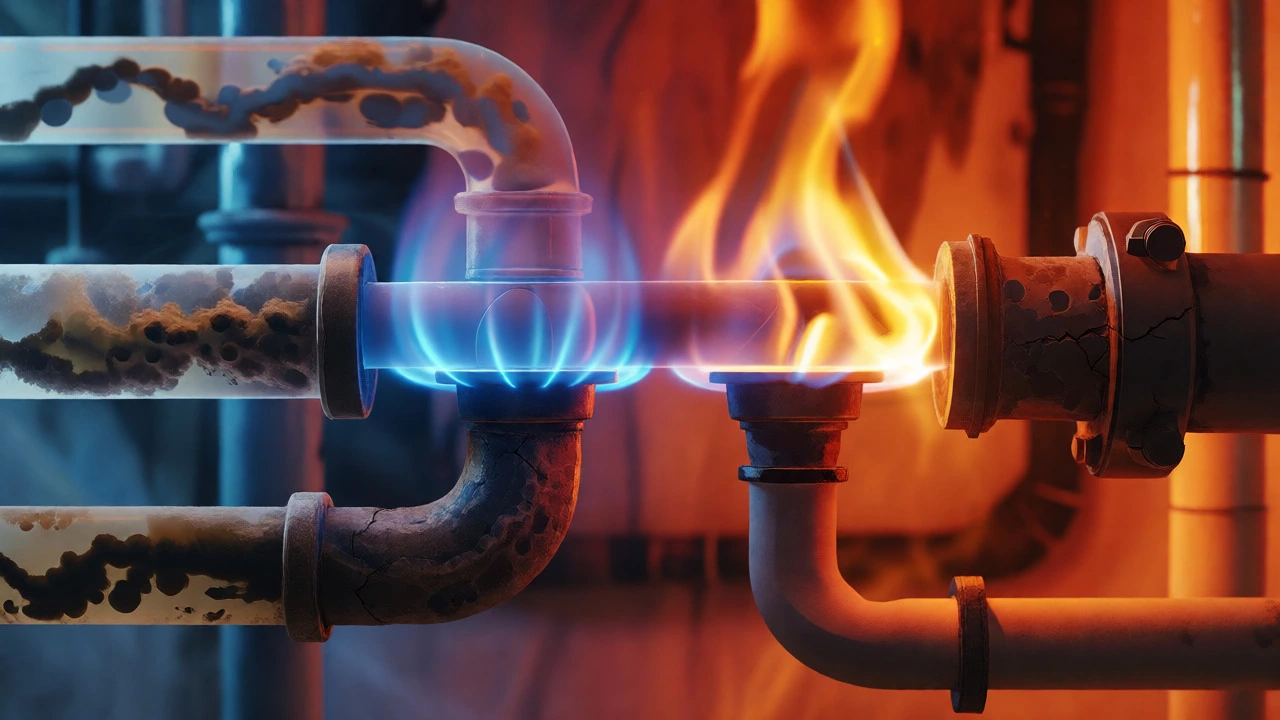
- Yellow Flame: A healthy gas burner burns blue. A yellow or orange flame indicates incomplete combustion, which produces carbon monoxide and soot. Soot buildup chokes the heat exchanger, leading to premature failure.
- Noisy Operation: Banging, clanking, or whistling noises aren’t just annoying; they’re dangerous. Kettling (banging) happens when scale builds up inside the heat exchanger, causing steam pockets to form. This destroys the metal from the inside out.
- Rising Energy Bills: An old boiler loses efficiency. If your bills are creeping up despite consistent usage and weather, your boiler is struggling to transfer heat effectively.
- Cold Spots in Radiators: If bleeding radiators doesn’t fix cold spots, sludge buildup may be blocking circulation. This forces the pump to work harder, leading to pump failure-a common death sentence for older systems.
How Maintenance Extends Life
You can add five years to your boiler’s life with basic care. It’s not magic; it’s chemistry and mechanics. The biggest killer of boilers is limescale and sludge. Hard water leaves mineral deposits on the heat exchanger. These deposits act as insulation, preventing heat from transferring to the water. The metal gets hotter than it should, warps, and eventually cracks.
In Vancouver, our water is relatively soft, which helps, but sludge still forms from rusted radiators and pipes. Annual servicing clears debris, checks gas pressure, and ensures safety devices work. Skipping service saves $150 today but risks a $3,000 replacement tomorrow. Also, consider installing a magnetic filter on the return pipe. These traps capture iron oxide particles before they enter the boiler, significantly extending the life of the pump and heat exchanger.
Another pro tip: keep your boiler pressure correct. Too high puts stress on seals; too low causes airlocks and cavitation in the pump. Check the gauge monthly. If you have a sealed system, top it up when needed. If you have an open vent system, ensure the feed and expansion cistern isn’t overflowing or empty.
When to Repair vs. Replace
Deciding whether to fix or buy is emotional, but try to look at it mathematically. Use the "$500 Rule." If a repair costs more than $500 and your boiler is over 10 years old, replace it. Why? Because the next component will fail soon. Old boilers don’t die gracefully; they cascade into multiple failures.
Consider the energy savings. New condensing boilers are 90%+ efficient. An old non-condensing model might be 70%. In Canada’s heating season, that difference translates to hundreds of dollars saved annually. Over 10 years, those savings can offset a large portion of the installation cost. Plus, new warranties cover you for 7-10 years, giving peace of mind that an ancient repair never provides.
FAQ: Common Questions About Boiler Lifespan
Can I extend my boiler's life beyond 20 years?
Yes, especially if you have a cast iron or stainless steel unit. Regular power flushing to remove sludge, installing a magnetic filter, and annual professional servicing can push a well-maintained boiler past the 20-year mark. However, efficiency drops significantly, so weigh the repair costs against rising energy bills.
Do combi boilers really last shorter than regular boilers?
Generally, yes. Combi boilers work harder because they provide both heating and domestic hot water instantly. This increased workload leads to faster wear on internal components like diverter valves and plate heat exchangers. Expect 10-15 years for a combi versus 15-20+ for a system or conventional boiler.
What kills a boiler the fastest?
Lack of maintenance and poor water quality are the biggest killers. Limescale buildup insulates the heat exchanger, causing overheating and cracking. Sludge blocks pumps and valves. Additionally, running a boiler without a thermostat causes short cycling, which wears out the igniter and gas valve prematurely.
Is it worth repairing a 15-year-old boiler?
It depends on the fault. Minor issues like a faulty fan or PCB might be worth fixing if the heat exchanger is intact. However, if the main heat exchanger is leaking or the pump has failed, replacement is usually better. At 15 years, you’re near the end of the warranty and the average lifespan, so investing heavily in repairs is risky.
Does brand matter for boiler longevity?
Brand matters less than installation quality and maintenance. A premium brand installed incorrectly with bad water chemistry will fail sooner than a mid-range brand installed perfectly with a filtered system. However, reputable brands tend to use higher-quality materials and offer better spare parts availability, which aids longevity.