Water Heater Breaker Troubleshooter
Answer a few questions about your symptoms to get a likely diagnosis and estimated repair costs.
Estimated DIY Cost
Parts onlyPro Service Estimate
Labor + PartsRecommended Next Steps:
You flip the breaker back on, and within seconds-sometimes minutes-it trips again. It’s frustrating, confusing, and honestly, a bit scary when you know water and electricity are mixing in your utility closet. If your water heater keeps tripping the circuit breaker or GFCI outlet, it’s not just an annoyance; it’s a safety signal. Your home’s electrical system is doing exactly what it’s supposed to do: cutting power to prevent a fire or shock hazard. But why is it happening? Is it the heater itself, the wiring, or something else entirely?
Before you call a plumber or an electrician (which might cost $150-$250 for a service call), there are several checks you can do yourself. This guide walks you through the most common causes of a tripping water heater, how to diagnose them safely, and when you actually need professional help. We’ll cover both electric and gas models, though tripping issues are overwhelmingly an electric problem.
The Quick Summary: Why Your Water Heater Trips
- Heating Element Failure: The #1 cause. A cracked or corroded element leaks electricity into the water tank, causing a ground fault.
- Thermostat Malfunction: A stuck thermostat can overheat the water, triggering high-limit switches or drawing excessive current.
- GFCI Outlet Issues: If your heater plugs into a Ground Fault Circuit Interrupter, the outlet itself may be faulty or sensitive to moisture.
- Wiring Problems: Loose connections, burnt wires, or damaged insulation near the heater can cause shorts.
- Breaker Wear: Older breakers become more sensitive and trip under normal loads they previously handled fine.
Safety First: Don’t Ignore the Trip
Electricity and water are a dangerous combo. When a breaker trips, it means current is flowing where it shouldn’t. Ignoring this and repeatedly resetting the breaker can lead to overheated wires, melted insulation, or even a fire. Always turn off the breaker before inspecting any components. If you smell burning plastic or see scorch marks around the heater’s access panel, stop immediately and call a pro. Do not attempt to open sealed electrical compartments if you’re uncomfortable working with live circuits.
Diagnosing Electric Water Heaters
Most residential water heaters in North America are electric. They use two heating elements (upper and lower) controlled by thermostats. When one fails, it often causes the breaker to trip due to a ground fault-a path for electricity to leak from the hot wire to the grounded metal tank.
Check the Heating Elements
Heating elements are consumable parts. In hard water areas like Vancouver, mineral buildup (scale) coats the elements, causing them to overheat and crack. Once cracked, water seeps into the element’s internal insulation, creating a direct path to ground. This triggers the breaker instantly.
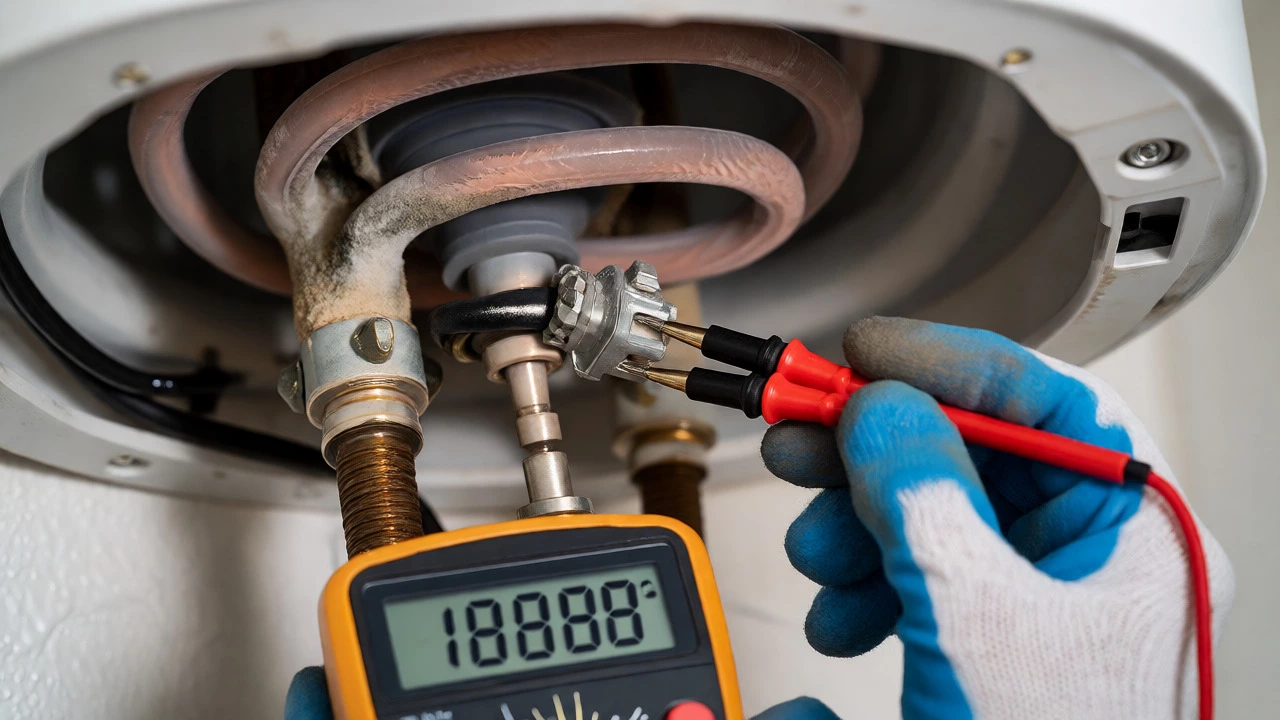
To test this, you’ll need a multimeter set to resistance (ohms). Turn off the power, remove the access panels, and disconnect the wires from the element. Measure the resistance between each terminal and the metal sheath of the element. You should read infinite resistance (OL or 1). If you get a low reading (like 10-50 ohms), the element is leaking current to the tank and needs replacement. Replacing an element costs $20-$40 per part and takes about 30 minutes if you’re handy.
| Symptom | Likely Cause | DIY Fixability |
|---|---|---|
| Trips immediately upon reset | Shorted heating element or wiring | Medium (requires multimeter) |
| Trips after running hot water for a while | Failing thermostat or weak breaker | High (thermostat swap) |
| GFCI button pops out | Ground fault in heater or faulty outlet | High (test outlet first) |
| Trips only when other appliances run | Circuit overload | Low (needs circuit redesign) |
Inspect the Thermostats
Thermostats control when the elements turn on. If a thermostat gets stuck in the "on" position, the element runs continuously, overheating the water and potentially tripping the high-limit switch (a separate safety device inside the heater). While high-limit trips don’t always pop the main breaker, a failing thermostat can draw irregular current that stresses older breakers.
Test thermostats with a multimeter for continuity. With power off, disconnect wires and check if the contacts close at room temperature. If they’re open when they should be closed (or vice versa), replace them. Thermostats are cheap ($15-$25) and easy to swap.
The GFCI Factor
In many homes built after the 1990s, water heaters plug into a GFCI outlet rather than being hardwired. GFCIs monitor the balance of current between hot and neutral wires. If even a tiny imbalance occurs (as little as 5 milliamps), they cut power to prevent shock.
If your heater uses a GFCI, the issue might not be the heater at all. Test the outlet with another appliance. If the GFCI trips with a lamp plugged in, the outlet is dead and needs replacing. If the heater trips the GFCI but other devices work fine, the heater has a ground fault-likely a bad element or wet wiring.
Note: Moisture is a common culprit. Check for condensation or minor leaks dripping onto the outlet or wiring junction box. Even a damp towel placed nearby can trigger a sensitive GFCI.
Gas Water Heaters: Can They Trip Breakers?
Yes, but rarely. Gas heaters use electricity for the igniter, control board, and fan. If the breaker trips, it’s usually due to a short in the control board or a failed ignition transformer. These are less common than electric element failures but possible. If you have a gas heater and the breaker trips, check for loose wires at the junction box or signs of corrosion on the control board connectors. Often, this requires a technician because testing low-voltage components safely demands specific knowledge.
When It’s Not the Heater: Electrical System Issues
Sometimes the heater is innocent. Two common culprits:
- Overloaded Circuit: Is the water heater sharing a circuit with a space heater, garage door opener, or washing machine? Standard water heaters draw 30 amps (for 240V models). If other devices add load, the breaker may trip during peak usage. Check your breaker panel labels to confirm dedicated circuits.
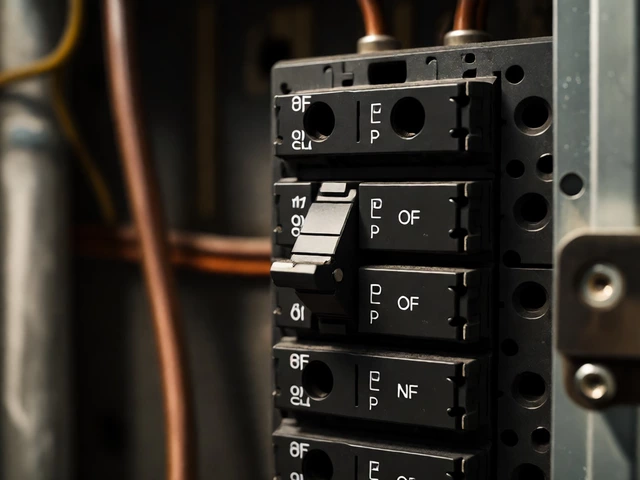
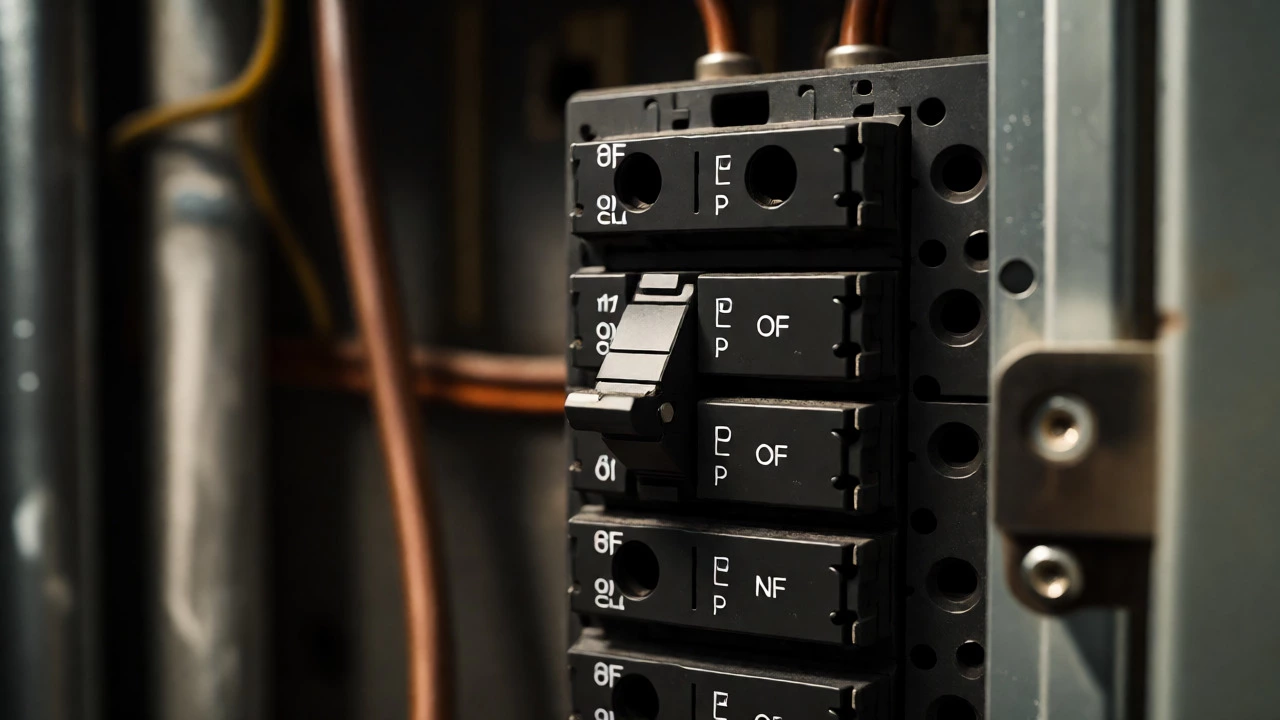
- Aging Breaker: Breakers wear out. After 20-30 years, their thermal sensitivity increases. A breaker that trips under normal load might need replacement. An electrician can swap it for $100-$200 including labor.
Step-by-Step Troubleshooting Checklist
- Turn off the breaker to the water heater.
- Unplug the heater if it’s on a GFCI outlet.
- Reset the GFCI (if applicable) and plug in a lamp. If the GFCI trips, replace the outlet.
- Restore power to the heater. If it trips immediately, suspect a hard short (bad element/wiring).
- Disconnect upper element wires. Reset breaker. If it stays on, the upper element is faulty.
- Reconnect upper element, disconnect lower element. Reset breaker. If it trips now, the lower element is bad.
- If both elements test good, check thermostats and wiring for damage.
Cost-Benefit Analysis: DIY vs. Pro
Replacing a heating element or thermostat is straightforward for someone comfortable with basic tools. Parts cost $30-$60 total. Hiring a plumber or electrician will cost $150-$300 depending on your location in Vancouver. However, if the tank itself is leaking internally (rare but possible via cracked welds), replacement of the entire unit ($800-$1,500 installed) may be smarter than repairing old components.
If your heater is over 10 years old and tripping frequently, consider replacement. Newer models are more energy-efficient and come with better warranties. For example, a new 50-gallon electric heater lasts 10-15 years with proper maintenance, whereas repairing a 12-year-old unit might buy you only 2-3 more years.
Preventing Future Trips
Maintenance is key. Flush your water heater annually to remove sediment that insulates elements and causes overheating. Check the anode rod every 2-3 years; if it’s fully consumed, replace it to protect the tank from corrosion. Ensure the breaker panel is clean and free of rust. If you live in an area with frequent power surges, install a surge protector for the heater’s circuit.
Why does my water heater trip the breaker only when I take a shower?
This suggests a thermal issue. As hot water drains, cold water enters, triggering the heating elements to kick in. If an element is partially shorted, it may handle light loads but fail under full power demand. Alternatively, the breaker itself may be weak and trip when the heater draws its maximum amperage during recovery.
Can a bad thermostat cause the breaker to trip?
Directly, no. Thermostats are switches; they don’t create ground faults. However, a stuck thermostat can cause continuous heating, leading to overheating that trips the high-limit switch. If the high-limit switch fails or the wiring is damaged from heat, it can indirectly cause breaker trips. Replace thermostats if elements test fine.
How much does it cost to fix a tripping water heater?
DIY repairs for elements or thermostats cost $30-$60 in parts. Professional repair ranges from $150 to $300 for diagnosis and labor. If the tank is leaking or the unit is very old, replacement costs $800-$1,500 installed. Always get a quote before authorizing work.
Is it safe to keep resetting the breaker?
No. Repeated resetting masks the underlying fault and risks overheating wires. If the breaker trips twice in a row, stop using the heater and investigate. Continuing to force it can melt insulation or start an electrical fire.
What if the GFCI outlet trips but the heater works otherwise?
GFCIs are sensitive to moisture and aging. If the heater works fine until the GFCI trips, try plugging the heater into a different outlet (using an extension cord temporarily) to rule out the outlet. If the problem persists, the heater likely has a minor ground fault, possibly from condensation or a degrading element seal.