Cooker Troubleshooting Wizard
Answer the questions below to identify the likely cause of your cooker's failure.
1. Check the wall socket with a lamp/hairdryer.
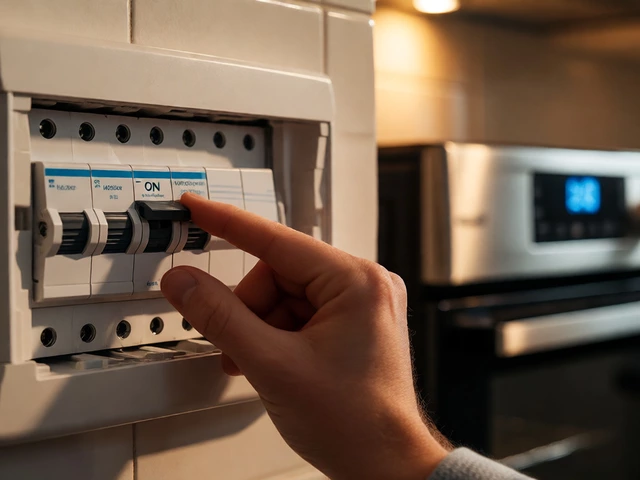
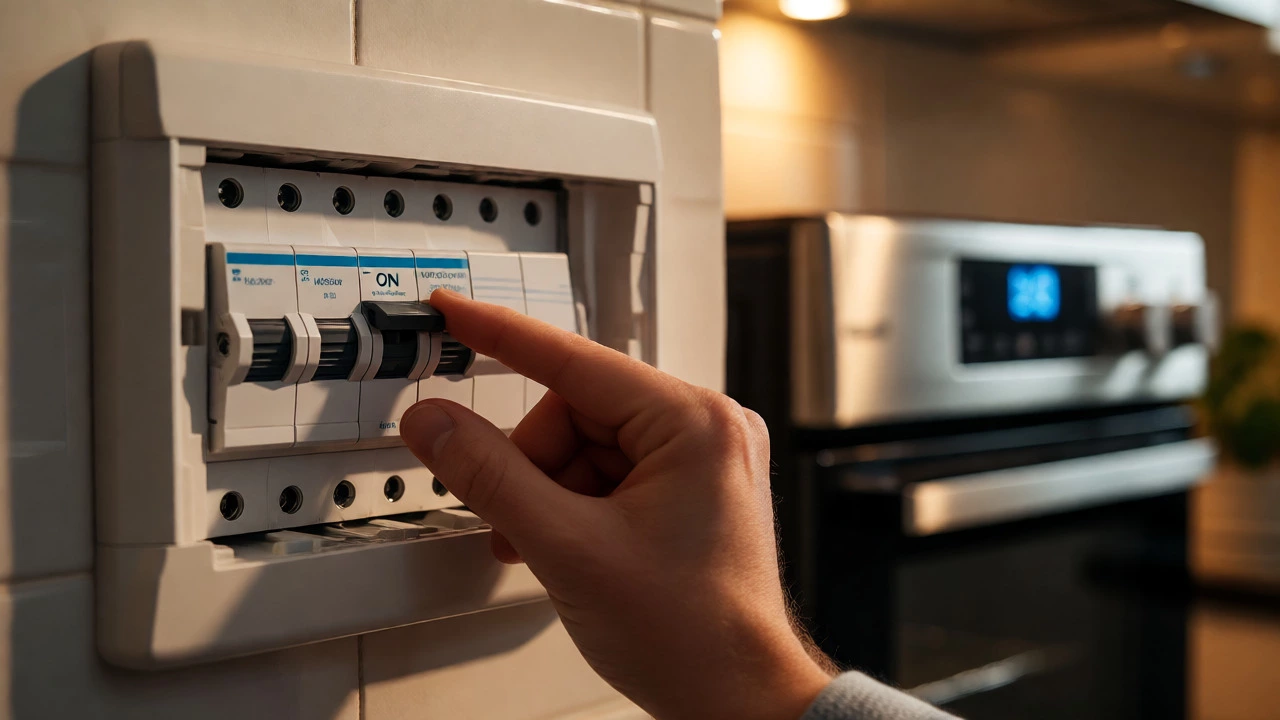
2. Check your home's circuit breaker panel for tripped switches.
3. Check the isolation switch near the cooker (often red/white).
If power reaches the unit but it stays dead, see Step 9.
- Clean around the burner cap and electrode with a toothbrush and rubbing alcohol.
- If recently cleaned, let dry for 24 hours (moisture prevents spark).
You’re halfway through roasting a chicken or baking a birthday cake when you notice something’s off. The oven light is on, but the heat isn’t there. Or maybe the display is completely black, dead as a doornail. It happens to the best of us. One day your cooker is your kitchen’s most reliable friend; the next, it’s a cold, stubborn box taking up space.
Before you panic and call an emergency technician for a $200 service fee, take a breath. Most sudden cooker failures aren’t catastrophic mechanical breakdowns. They are often simple electrical trips, minor component failures, or user-error glitches that you can diagnose-and sometimes fix-yourself. This guide walks you through the most common reasons why a cooker stops working abruptly, how to tell if it’s the oven, the hob, or the power supply, and when you actually need to pick up the phone.
The Power Supply Check: Is It Really Broken?
It sounds too simple to be true, but nearly 30% of "broken" appliances are just unplugged or have tripped a breaker. Before touching any screws, check the obvious stuff first.
- The Wall Socket: Plug a hairdryer or lamp into the same socket your cooker uses. If the lamp doesn’t turn on, the problem isn’t your cooker-it’s your home’s wiring or a blown fuse in the consumer unit.
- Circuit Breakers: Go to your electrical panel. Look for a breaker labeled "Kitchen," "Oven," or "Hob." If the switch is in the middle position (neither fully ON nor OFF), it has tripped. Flip it fully OFF, then back ON. If it trips again immediately, you have a short circuit inside the appliance.
- Isolation Switch: Many cookers have a separate isolation switch nearby (often a red or white switch on the wall). Ensure this hasn’t been accidentally switched off by a cleaner or curious child.
If the power is definitely reaching the cooker but it remains unresponsive, we move to internal components.
Faulty Heating Elements: The Silent Killer
If your cooker turns on-the lights work, the fan spins-but nothing gets hot, the culprit is usually a burned-out heating element. These are resistive wires that glow red-hot to generate heat. Over time, they fatigue and snap.
There are two main types to look for:
- Surface Elements (Hobs): On electric hobs, these are the coil rings or glass-ceramic plates. Visually inspect them. Do you see a break in the coil? A dark scorch mark? If yes, replace it. Parts are cheap ($15-$40) and easy to swap.
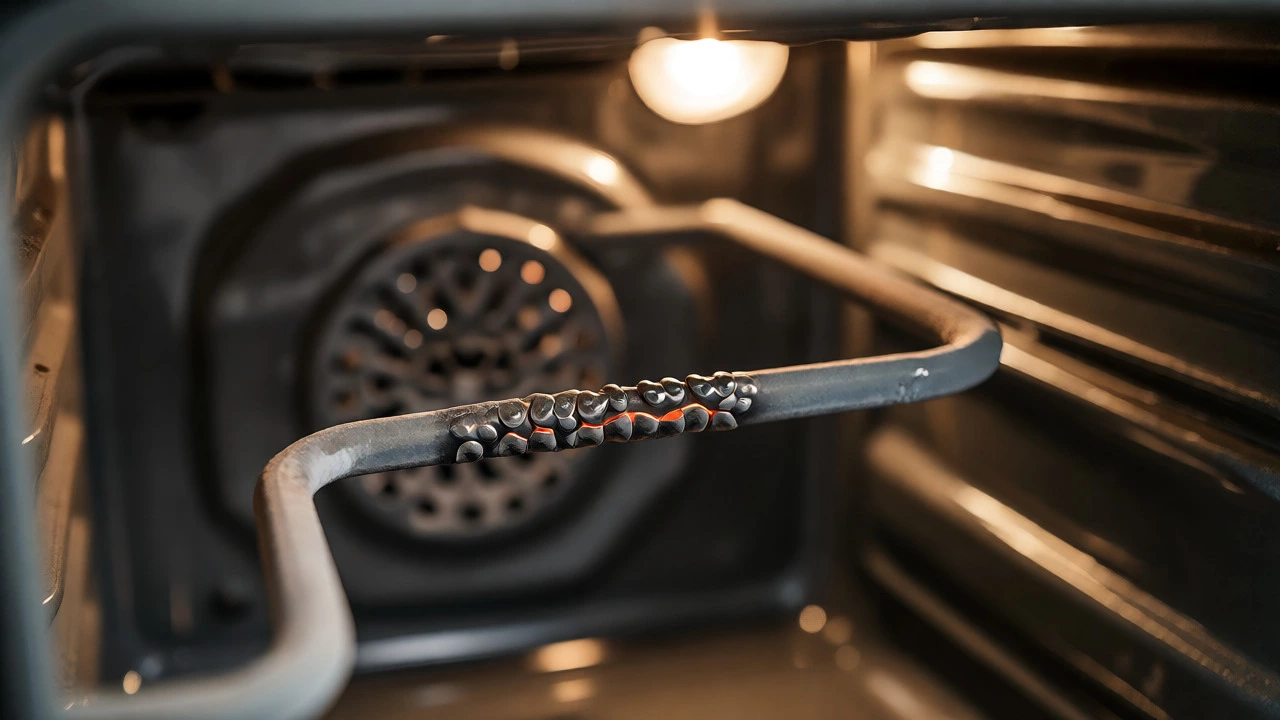
- Oven Elements: There’s usually a top element (for grilling/broiling) and a bottom element (for baking). If you can only grill but not bake, the bottom element is dead. If you can bake but not grill, the top one is gone. Open the oven door and look at the elements. Are they blistered, cracked, or missing chunks?
| Symptom | Likely Culprit | Difficulty Level |
|---|---|---|
| Oven heats slowly or unevenly | Partially failed element | Medium |
| No heat at all, but lights work | Fully broken element | Easy/Medium |
| Sparks or popping sound | Element touching oven wall | Easy |
The Thermal Fuse: The Safety Valve That Trips
This is the sneaky one. The thermal fuse is a small safety device designed to cut power if the oven overheats. Unlike a standard household fuse, it is non-resettable. Once it blows, it stays blown until replaced.
Why does it blow? Usually because the cooling fan failed, causing the control board to overheat. Or perhaps the oven was left on high heat for hours with the door closed. If your cooker displays no error codes but simply refuses to start, test the thermal fuse with a multimeter. If it shows no continuity (infinite resistance), it’s dead. Replacing it costs about $5-$10, but you’ll need to remove the back panel of the cooker to access it.
Control Board Glitches: The Brain Freeze
Modern cookers are computers with ovens attached. Sometimes, the control board freezes due to a power surge or software bug. Think of it like a laptop crashing.
Try a hard reset. Unplug the cooker from the wall (or flip the breaker) and wait a full 60 seconds. This drains residual electricity from the capacitors on the board. Plug it back in. Does the clock blink? Does the display come alive? Often, this simple reboot clears temporary errors and restores functionality.
If the reset works but the problem returns within days, the control board itself may be failing. Look for burn marks on the board’s circuitry. If you smell burnt plastic, stop using the appliance and call a pro.
Gas Cooker Specifics: Ignition Issues
If you have a gas cooker and the burners click but don’t light, or light and then go out, the issue is rarely the gas supply. It’s usually the ignition system.
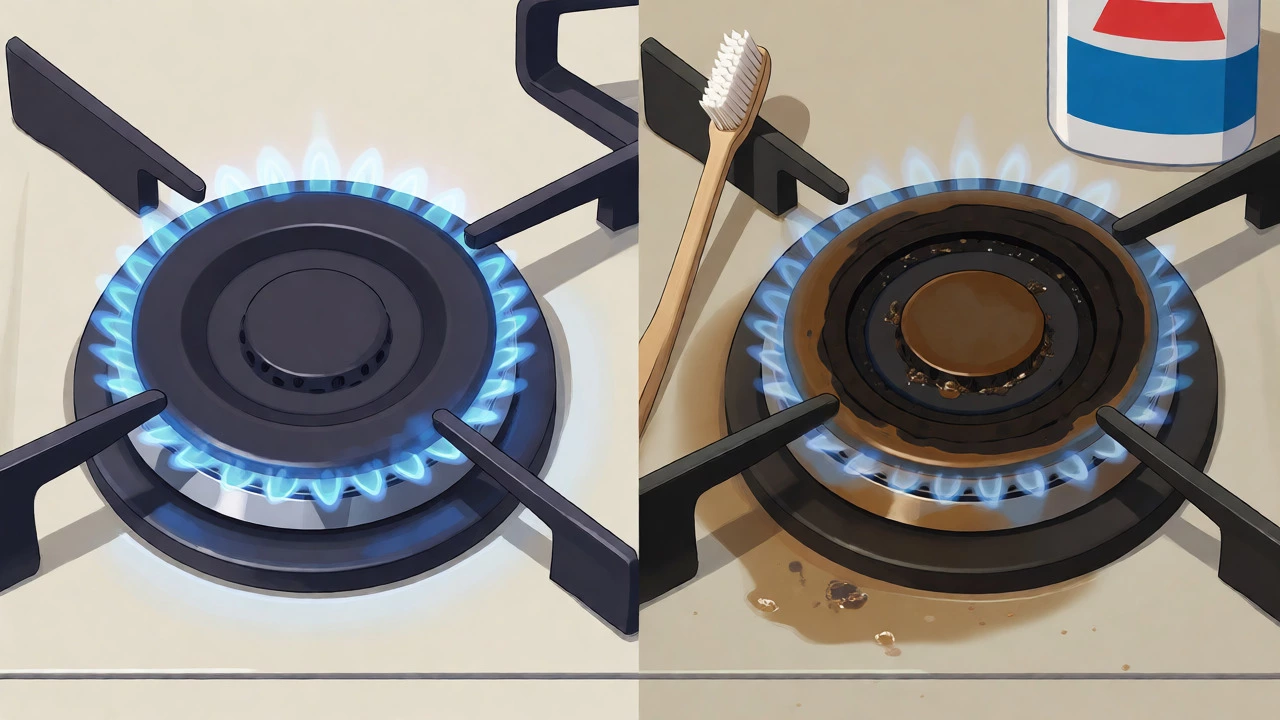
- Dirty Spark Electrodes: Grease and food debris insulate the spark electrode, preventing it from creating a spark. Clean around the burner cap and electrode with a toothbrush and rubbing alcohol. Dry thoroughly before testing.
- Wet Burners: Did you spill water while cleaning? Moisture prevents ignition. Let the burners dry for 24 hours.
- Thermocouple Failure: If the flame lights but dies as soon as you release the knob, the thermocouple (a safety sensor) is dirty or broken. It senses the heat of the flame to keep the gas valve open. If it’s coated in carbon, clean it gently with steel wool. If it’s bent or damaged, replace it.
When to Call a Professional
You’ve checked the power, inspected the elements, tested the fuse, and cleaned the electrodes. Still nothing? Here’s when you should stop DIY-ing:
- Gas Smell: If you smell gas but don’t hear clicking, shut off the gas supply at the valve and ventilate the room. Do not use electrical switches. Call a certified gas engineer immediately.
- Burning Smell from Electronics: If the smell comes from behind the control panel, not the oven cavity, it’s likely a fried control board or wiring harness.
- Intermittent Operation: If the cooker works sometimes and not others, tracing intermittent electrical faults requires specialized diagnostic tools and expertise.
Remember, safety trumps savings. If you aren’t comfortable removing panels or handling live wires, hire a local technician. In Vancouver, ensure they are licensed for both electrical and gas work depending on your model.
Can I use my oven if the top element is broken?
Yes, usually. If only the top (grill) element is broken, the bottom element should still work for baking and roasting. You just won’t be able to grill or broil until the part is replaced.
How much does it cost to fix a cooker that stopped working?
Costs vary widely. A heating element replacement might cost $50-$150 including labor. A control board replacement can range from $200 to $500. Diagnostic fees typically run $75-$100, which is often waived if you proceed with the repair.
Why did my cooker stop working after a power outage?
Power surges can damage sensitive electronics like the control board or trip the internal thermal fuse. Try resetting the breaker and unplugging the unit for a minute. If that fails, the surge likely fried a component.
Is it worth repairing an old cooker?
If the repair costs more than 50% of the price of a new unit, consider replacing it. However, if your cooker is less than 10 years old and the issue is a simple part like a thermostat or element, repair is almost always the economical choice.
My digital display is flickering. What does that mean?
Flickering displays often indicate a loose connection between the control panel and the main board, or a failing power supply capacitor. Reseating the connectors (if accessible) can sometimes fix this, but it may signal imminent board failure.