Boiler Repair Responsibility Checker
Select the issue you are experiencing to see who is typically liable for the cost of repairs.
to view responsibility details.
It’s 2 AM in January. The radiator in your bedroom is cold. You check the pressure gauge on the boiler a central heating system that heats water for domestic use and space heating, and it’s reading zero. Panic sets in. But before you call a technician, there’s a bigger question: who is paying for this fix? Is it coming out of your pocket, or does your landlord cover it?
This is one of the most common sources of conflict between landlords and tenants. The short answer is: it depends on what broke and why. Generally, landlords pay for structural issues and major repairs, while tenants handle minor upkeep and damage caused by negligence. However, the line can be blurry. Understanding these boundaries saves you money, stress, and potential legal headaches.
The General Rule: Structural Repairs vs. Day-to-Day Upkeep
In most jurisdictions, including Canada and the UK, the law leans heavily toward protecting tenants regarding essential services like heat and hot water. A boiler is considered a fixture of the property. Therefore, the landlord is typically responsible for keeping it in good working order.
Landlords property owners who rent out residential units to tenants are legally obligated to provide a habitable home. If the boiler fails due to age, wear and tear, or a manufacturing defect, that is the landlord’s bill. This includes replacing broken components like the pump, the heat exchanger, or the control board.
On the other hand, Tenants individuals or households renting a property from a landlord are responsible for "fair wear and tear" prevention. This means basic care. If you leave the windows open during a freeze, causing pipes to burst and damaging the boiler, that’s on you. If you ignore a leaking valve for months until it floods the basement, you might be liable for the resulting damage.
What Does Your Lease Say?
Your lease agreement is the first place to look. While local laws set the minimum standards, your contract can specify additional responsibilities. Some leases include clauses about annual servicing.
- Standard Clauses: Most standard residential leases state that the landlord maintains all major appliances and systems.
- Servicing Responsibilities: Some leases require the tenant to arrange annual servicing but reimburse them through a credit or deduction from rent. Others explicitly state the landlord handles all scheduling.
- Deductions: Be wary of clauses that allow landlords to deduct maintenance costs from security deposits unless the damage was caused by tenant negligence.
If your lease is silent on the matter, default to local tenancy laws. In British Columbia, for example, the Residential Tenancy Act requires landlords to maintain the property in a safe and sanitary condition, which includes functional heating systems.
Annual Servicing: Who Books It and Who Pays?
Annual boiler servicing is not just a suggestion; it’s a necessity for safety and efficiency. A serviced boiler runs cleaner, uses less fuel, and is less likely to break down catastrophically. But who arranges this?
Typically, the landlord pays for the professional service because they own the asset. They also benefit from the extended lifespan of the unit. However, the tenant often has to facilitate access. This means being home when the technician arrives or allowing entry with proper notice (usually 24-72 hours depending on local laws).
If the tenant refuses access for necessary maintenance, they could be held liable for any subsequent failures. For instance, if a carbon monoxide leak occurs because the tenant blocked the technician from inspecting the flue, the tenant may face serious legal consequences.
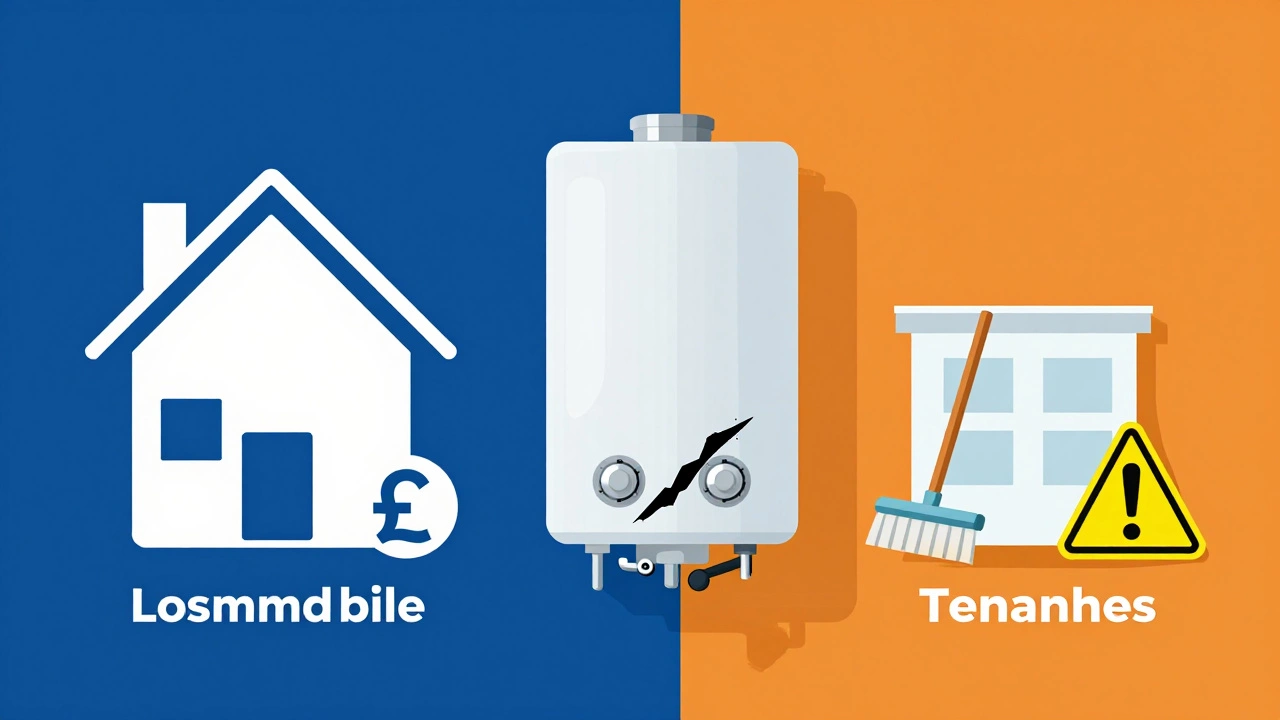
Common Scenarios: Who Pays What?
To make this clearer, let’s look at specific situations. These examples highlight the difference between natural failure and user error.
| Issue | Likely Cause | Who Pays? |
|---|---|---|
| Low Pressure / Leaking Valve | Normal expansion/contraction over time | Landlord |
| Error Code E101 (Ignition Failure) | Aging spark electrode or gas valve | Landlord |
| Frozen Condensate Pipe | Tenant failed to insulate external pipe or left door open | Tenant |
| Clogged Filter | Lack of regular cleaning (if accessible to tenant) | Tenant (if specified in lease) or Landlord |
| Burst Radiator | Corrosion due to age | Landlord |
| Damaged Control Panel | Tenant spilled liquid on controls or forced buttons | Tenant |
The Role of Insurance
Insurance can complicate things further. Many landlords carry property insurance that covers sudden mechanical breakdowns. Tenants should have renters insurance, which covers personal liability and accidental damage.
If a boiler explosion damages the building structure, the landlord’s policy responds. If the same explosion damages your laptop and clothes, your renters policy responds. Always document the incident with photos and keep records of all communications with the landlord and insurer.
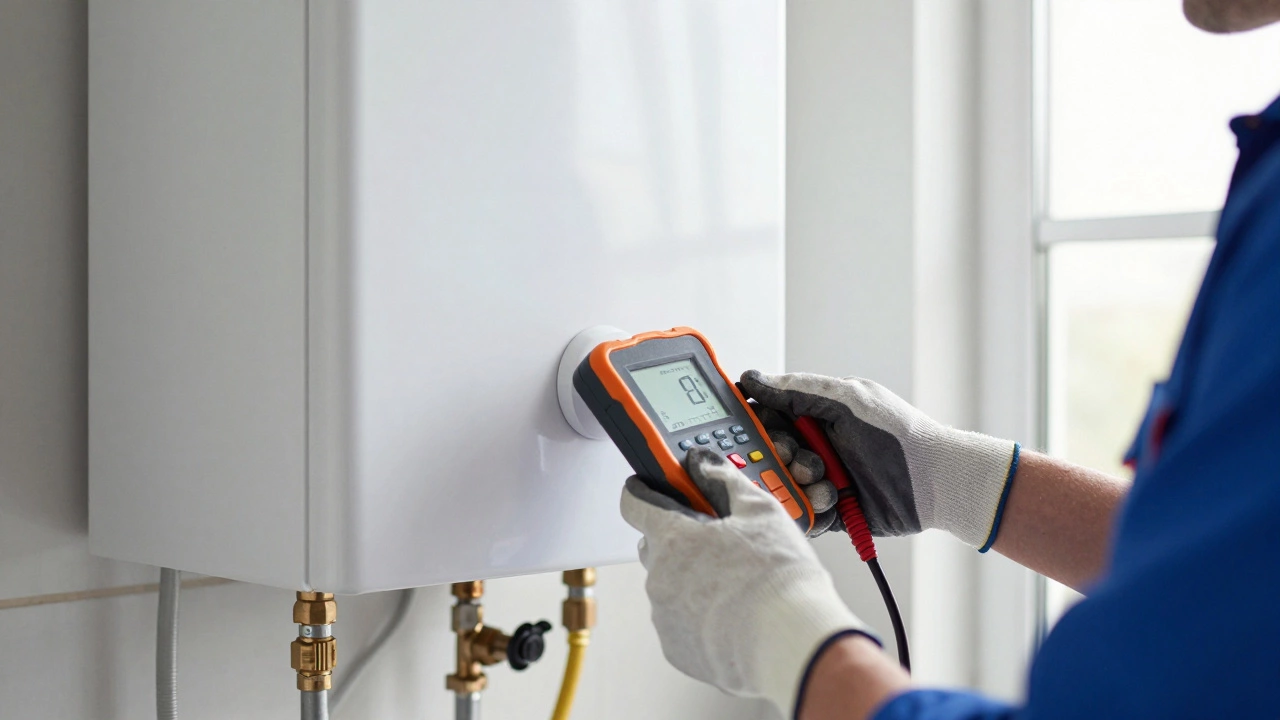
How to Handle a Boiler Breakdown Correctly
When the heat goes out, emotions run high. Follow these steps to protect yourself financially and legally.
- Check the Basics First: Ensure the thermostat is set correctly. Check if the power switch near the boiler is on. Sometimes the issue is as simple as a tripped breaker.
- Notify the Landlord Immediately: Send a written notice via email or text. Do not rely on verbal reports. State clearly that the heating is not working and request urgent repair.
- Do Not DIY Major Repairs: Unless you are a certified technician, do not attempt to fix gas lines or internal components. This voids warranties and poses severe safety risks.
- Document Everything: Take photos of error codes, leaks, or frost. Keep copies of all messages with the landlord.
- Know Your Rights: If the landlord ignores the request, check local tenant rights organizations. In many places, you can withhold rent or hire a repair person and deduct the cost after a certain period of non-response.
Preventive Measures for Tenants
You don’t need to be an engineer to keep a boiler running smoothly. Simple habits can prevent costly disputes.
- Keep the Area Clear: Never store boxes, laundry, or furniture around the boiler. It needs airflow to operate safely.
- Monitor Pressure: If you know how to read the gauge, keep an eye on it. Normal pressure is usually between 1 and 1.5 bar. If it drops significantly, report it immediately rather than waiting for the heating to fail completely.
- Don’t Ignore Noises: Kettling (whistling sounds) or banging noises indicate limescale buildup or air in the system. Report these early.
- Use Thermostats Wisely: Avoid setting the temperature extremely high and then turning it off. Consistent, moderate heating is easier on the system.
What If the Landlord Refuses to Pay?
Disputes happen. If your landlord claims the damage was your fault without evidence, stay calm. Request a written explanation. If they refuse to repair essential heating, contact your local housing authority or tenant union. In extreme cases where health is at risk, emergency services or municipal code enforcement may intervene.
Remember, the goal is resolution, not litigation. Most landlords prefer to fix the problem quickly to avoid bad reviews or legal fees. Clear communication and documentation are your best tools.
Can a landlord charge a tenant for boiler maintenance?
Generally, no. Landlords are responsible for maintaining major systems like boilers to ensure the property remains habitable. They cannot pass the cost of routine maintenance or repairs due to wear and tear onto the tenant. However, if the tenant caused the damage through negligence or misuse, the landlord may seek reimbursement.
Who is responsible for annual boiler servicing?
The landlord is typically responsible for paying for and arranging annual boiler servicing. This is part of their duty to maintain the property. Tenants must provide reasonable access for the technician to perform the service.
What happens if the boiler breaks and the landlord doesn't fix it?
If the landlord fails to repair essential heating within a reasonable time, tenants may have the right to withhold rent, hire a repair person and deduct the cost, or break the lease without penalty. Laws vary by location, so consult local tenant rights resources.
Is the tenant responsible for resetting the boiler?
Yes. If the boiler locks out due to a temporary glitch, the tenant can try resetting it once following the manufacturer's instructions. If it locks out again, it indicates a deeper issue that requires a professional technician, and the landlord should be contacted.
Does renters insurance cover boiler repairs?
No. Renters insurance covers personal belongings and liability. It does not cover structural elements or built-in appliances like boilers. Those are covered by the landlord's property insurance.