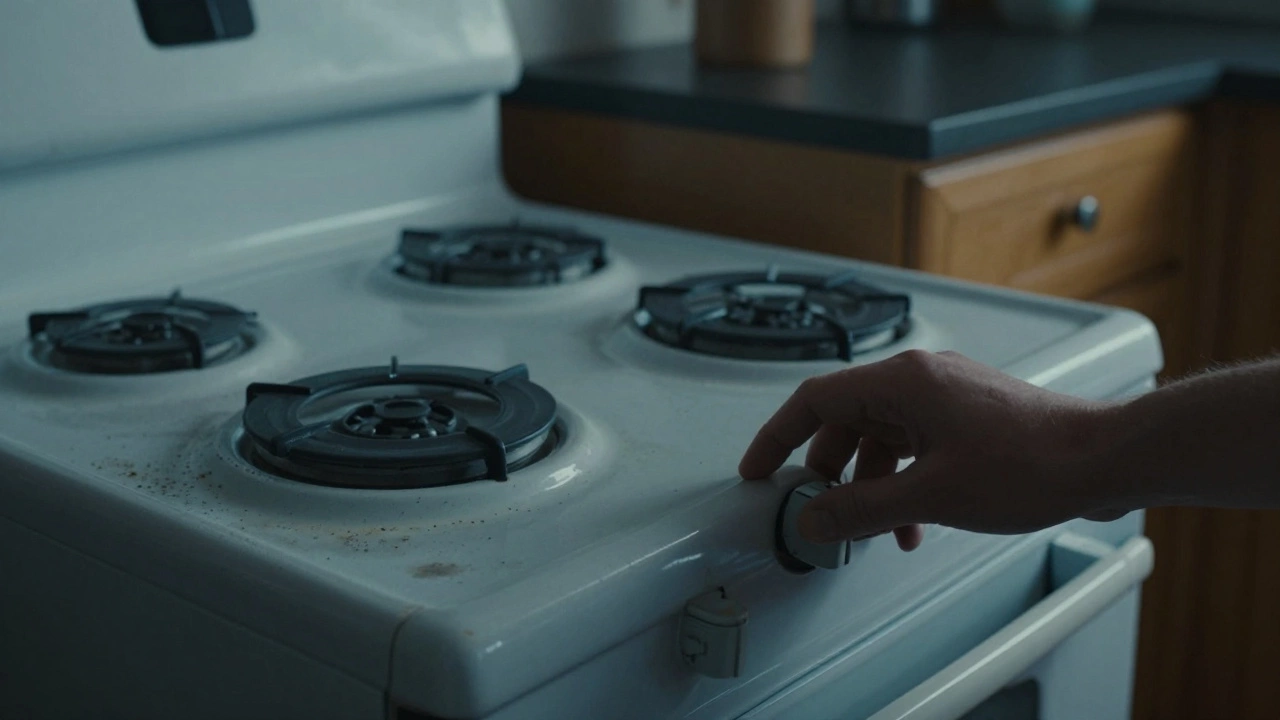
You turn the dial, expecting heat, but nothing happens. That moment of silence from your kitchen workhorse is frustrating. You aren't alone when you wonder how long your appliance should actually last. Many homeowners expect their Electric Stove to run forever, but appliances have a biological clock similar to us. By 2026, technology has evolved, yet mechanical wear remains constant.
If you are staring at a broken heating element in Vancouver, the cost of labor right now makes the decision tricky. Is it worth spending hundreds on a fix, or should you just buy new? This guide breaks down exactly how long these machines survive, what kills them first, and how to tell when your range has finally bitten the dust.
The Actual Numbers: What Manufacturers Say vs. Reality
Data from major repair networks shows a clear pattern. While manufacturers often warranty parts for one year, real-world durability tells a different story. A standard coil-style electric range typically survives between 13 and 15 years before major components fail. If you own a smooth-top model with glass-ceramic surfaces, that window shortens slightly to roughly 11 to 13 years due to surface brittleness.
Gas Range models generally outlast their electric siblings, sometimes hitting 18 years. Why? Fewer electrical connection points mean less opportunity for voltage spikes to damage sensitive boards. However, gas units require ventilation checks and pilot light maintenance. In our current economic climate here in British Columbia, where energy costs fluctuate, holding onto an older efficient model can be smart money until the inevitable breakdown occurs.
You might see ads claiming "Induction" lasts longer. That is half-true. Induction cooktops do not use coils; they use electromagnetism. This reduces thermal stress, potentially pushing their useful life to over 20 years. But remember, the control interface-the touchpad-still relies on digital logic boards. These boards are susceptible to moisture and grease over time.
Why Your Stove Dies Before Its Time
Appliances rarely die of old age. They usually suffer trauma. Understanding the enemies of your electric stove helps you extend its life. Here are the primary culprits found in repair shops across North America.
Voltage Swings and Power Surges
Your home wiring interacts directly with the control board. When heavy appliances like dryers or HVAC systems kick on, they can cause voltage dips or spikes. The Control Board, which manages everything from timer lights to bake temperatures, acts as the brain. It is surprisingly fragile. A single lightning storm nearby can fry this circuit board permanently.
In older homes with ungrounded outlets, this risk increases significantly. We often see ranges that are six years old suddenly stop working after a thunderstorm. That isn't a mechanical failure; it is electronic shock.
Moisture and Grease Damage
Grease accumulates under the knobs and behind the console. In a typical household, a layer of oil builds up over five years. If water spills into these crevices during cleaning, it mixes with the grease. This creates conductive paths for electricity, leading to short circuits. Touch controls are especially vulnerable because they sit exposed to splashing liquids while you boil pasta.
Thermal sensors also degrade faster in dirty environments. If a sensor cannot accurately read the temperature inside the oven because grime covers it, the board may overheat to compensate, eventually triggering safety mechanisms that shut down the unit entirely.
Mechanical Wear on Hinges and Knobs
It sounds minor, but physical mechanics matter. Every time you open the door, the hinges take stress. If the door sags, the seal fails. When the oven door seal fails, heat escapes, forcing the system to run harder to maintain temperature. This adds stress to the heating elements.
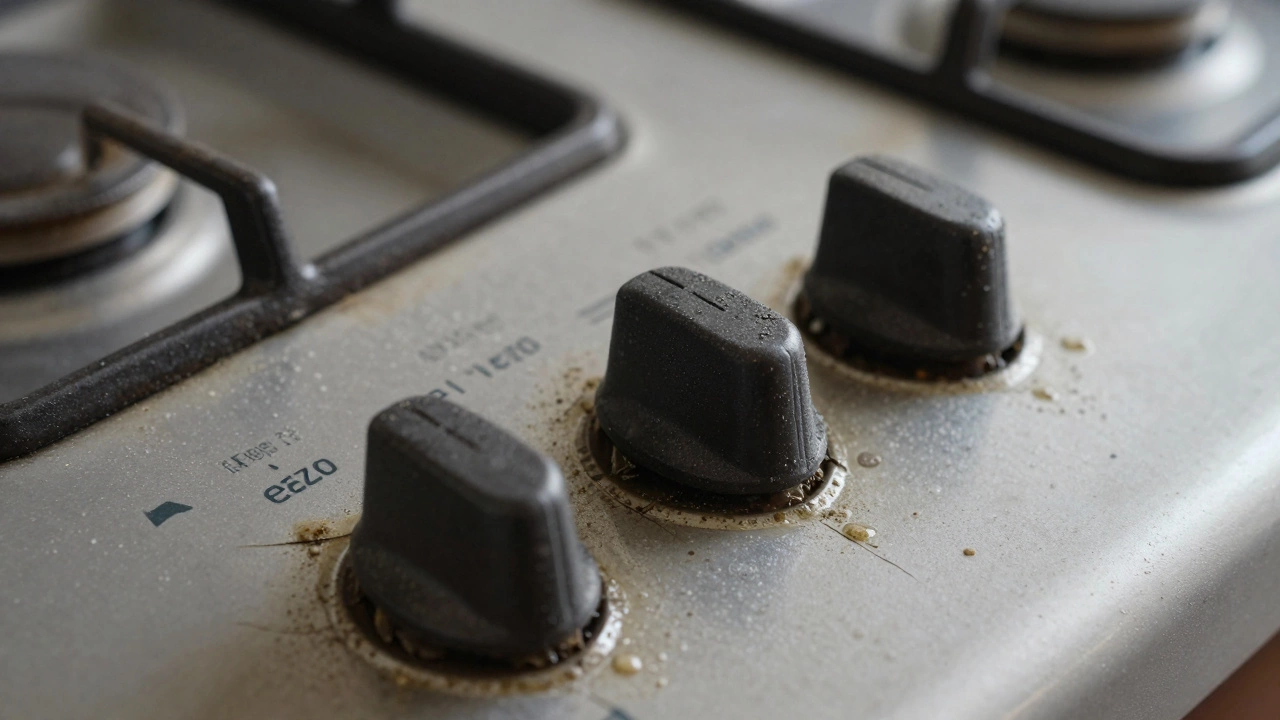
Rotary Knobs also snap frequently. Over time, the plastic degrades. If you yank the knob off to clean it, you might snap the actuator underneath. Replacing a whole control panel for a snapped switch is a costly unnecessary expense.
Component Lifespans: Which Part Fails First?
Not all parts last the same amount of time. Knowing which piece gives up first helps you diagnose whether to repair or replace.
| Component | Average Lifespan | Typical Replacement Cost (CAD) | Frequency of Failure |
|---|---|---|---|
| Bake Heating Element | 8-12 Years | $150 - $250 | High |
| Broil Heating Element | 10-14 Years | $180 - $280 | Medium |
| Temperature Sensor | 12-15 Years | $120 - $180 | Low |
| Control Board | 7-10 Years | $300 - $500 | High |
| Door Gasket | 5-8 Years | $80 - $120 | Medium |
Notice something interesting in that table? The electronic components, like the Control Board, tend to fail sooner than the heating elements themselves. Electronics age poorly under heat. Even though the board sits outside the oven cavity, the ambient heat from cooking travels upward.
Heating Elements are robust pieces of metal wire. They physically glow red hot thousands of times. Eventually, the metal fatigues and cracks. This is usually visible to the naked eye. If you see glowing spots or dark patches on the bottom coil, that is the element dying. It is an easy fix if your oven is still relatively young, say under eight years old.
The Math of Repairing vs. Replacing
Here is where most people get confused. There is no fixed rule, but there is a practical heuristic used by technicians here in Vancouver. We call it the "Five-Year Rule."
If your appliance is more than five years old and requires a repair costing more than $350 CAD, leaning towards replacement is usually smarter. Why? Because fixing one part often unmasks others on the verge of failing. A new unit comes with a full warranty. A refurbished old one comes with hidden risks.
However, consider the installation factor. Buying new means moving heavy boxes. Unless you have help, you cannot maneuver a range alone. It weighs upwards of 200 pounds. Labor for hookup costs extra. If you live in an apartment without delivery access, those fees skyrocket.
We need to look at efficiency too. Older stoves waste energy. Models made before 2015 lack modern insulation standards. A newer range uses about 30% less electricity per hour of use. If you cook daily, that saves money annually. Do the math: does the repair bill exceed the savings of keeping the old inefficient machine alive for another two years?
Signs Your Range Is Ready for Retirement
Sometimes the machine tells you it is done before the repairman does. Look for these three warning signs.
- Uneven Heating: Place pizza pans in both corners of the oven. If one side burns and the other is cold, the broiler element is unevenly distributing heat or the fan is shot. You cannot truly cook without even heat distribution.
- Console Ghosting: The digital display flickers or buttons light up without being touched. This indicates motherboard decay. When the brain fails, the whole body stops working effectively.
- Burning Smell: An occasional smell is fine when new. But a persistent acrid odor from electronics suggests overheating wires. This is a fire hazard. Disconnect immediately.
Ignoring these signs invites dangerous situations. Electrical fires in kitchens are often traced back to neglected appliance failures.
Maintenance Tips to Squeeze Extra Years
You can fight entropy. Proper care buys you time and keeps resale value higher if you move. Here is how to treat your appliance gently.
- Clean Under the Grates Weekly: Food drippings act as acid on the bottom of the burners. Scrape them weekly to prevent corrosion.
- Wipe Spills Immediately: Do not let sugary syrup harden on a Glass Cooktop. Hardened sugar scratches the ceramic during later scraping attempts. Once scratched, the finish degrades further.
- Use Low Settings: Running a burner on setting 10 constantly wears the thermostat. High heat cycles create thermal expansion stress.
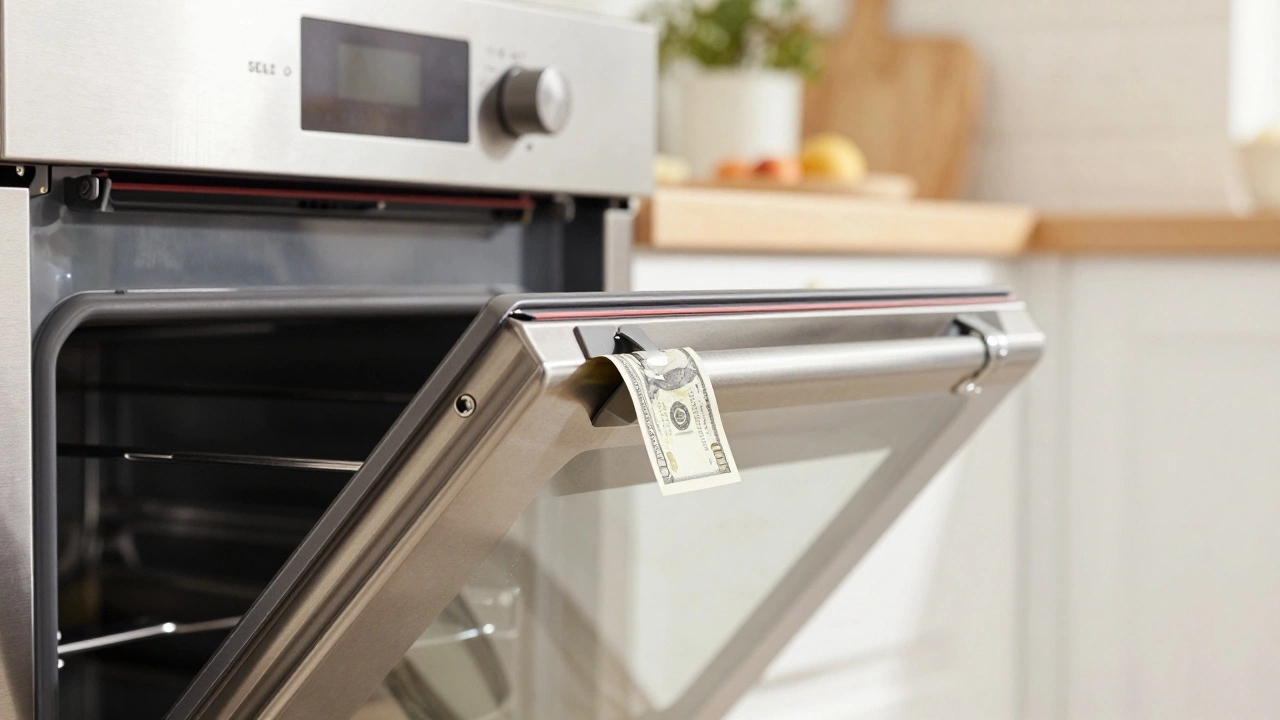
- Check the Door Seal: Put a dollar bill in the door latch line. Close the door. Pull the bill. If it slides out easily, air is leaking. Replace the gasket.
Regular maintenance prevents the accumulation of grit that causes shorts. Most premature deaths happen because of negligence, not inherent design flaws.
Choosing Your Next Appliance in 2026
When you finally cross the threshold, look beyond aesthetics. Prioritize repairability. Many modern ranges use proprietary screws and glued-in parts. Avoid brands known for locking you out with software codes.
Look for stainless steel finishes over black enamel. Enamel chips easily and rusts. Stainless withstands abuse better. Also, check if the control panel is detachable. Some newer designs integrate the electronics into the chassis. Integrated boards are impossible to replace individually.
If you want longevity, consider a dual-fuel setup if your building allows gas. But if you must stick to electric, find a brand that sources spare parts for at least ten years post-launch. Major retailers drop support quickly; niche premium brands often sustain their legacy lines longer.
Remember, an appliance is an investment. Choosing wisely now saves headaches in five years. Knowing the lifespan helps you budget correctly.
How many years should a good electric stove last?
Most electric stoves last between 13 to 15 years. Gas ranges often last longer, averaging around 18 years. Smooth top models may have a shorter life expectancy of 11 to 13 years due to potential cracking of the glass surface over time.
Is it worth repairing an electric range instead of buying new?
If the unit is under five years old and the repair is less than $350 CAD, fixing it makes sense. However, if the stove is over ten years old, investing in a new model with a warranty and better energy efficiency is usually the better financial choice.
What are the most common electric stove problems?
Common issues include failed heating elements, malfunctioning control boards, and worn-out door seals. Moisture intrusion into the control panel is also a frequent cause of sudden failure, especially in glass cooktop models.
Does using an electric stove increase my electricity bill significantly?
Yes, electric ovens consume significant power. A standard 240-volt range can draw up to 5000 watts. Newer models with improved insulation and induction technology are more energy-efficient and can lower overall energy usage by approximately 30% compared to older resistance-based coils.
How do I extend the life of my electric stove?
Regularly clean under the grates, wipe spills immediately to prevent corrosion, and avoid running burners on maximum settings for extended periods. Maintaining a functional door seal ensures even heating and reduces stress on the internal heating elements.