Electric Oven Wiring: Common Issues, Fixes, and What You Need to Know
When your electric oven wiring, the network of cables, terminals, and connections that deliver power to the heating elements and controls in your oven. Also known as oven electrical system, it’s one of the most overlooked parts of appliance repair—until it fails. A broken wire, loose terminal, or burnt connection can make your oven act like it’s dead—even if the lights and display still work. Most people assume the heating element or thermostat is broken, but often, the real problem lies deeper—in the electric oven wiring.
Behind the back panel of your oven, a web of wires connects the control board to the heating elements, the thermostat, the fan, and the safety fuse. Over time, heat, moisture, and wear can cause these wires to crack, melt, or come loose. A single frayed wire can stop the oven from heating, trigger error codes, or even trip your home’s circuit breaker. You might see signs like the oven turning on but not getting hot, or the display working while the heating elements stay cold. These aren’t always thermostat or element failures—they’re often wiring issues. The oven heating element, the metal coil that glows red-hot to bake or broil food relies entirely on clean, uninterrupted power from the wiring. If the current doesn’t reach it, the element won’t work—even if it’s brand new. Same goes for the oven thermostat, the sensor that tells the oven when to turn the heat on and off. A faulty thermostat can mimic a wiring problem, but if you’ve checked the element and it’s fine, the wiring is the next place to look.
Many homeowners skip checking the wiring because it sounds scary. But you don’t need to be an electrician to spot the big red flags. Look for blackened or brittle wires near the heating element terminals. Check if any connectors are loose or corroded. A blown thermal fuse—often hidden behind the back panel—is a common result of wiring overload. You can test continuity with a basic multimeter if you’re comfortable. If you’re not, it’s not worth the risk. Faulty wiring can lead to fire hazards, especially in older ovens with worn insulation. That’s why many repair guides start with power checks, then move to elements, then to wiring—it’s the logical order of diagnosis. The posts below cover exactly this: how to spot broken wiring, what tools you need, how to test connections safely, and when to call a technician. You’ll find real fixes for ovens that won’t heat, odd error codes, and breaker trips—all rooted in the wiring system. No fluff. Just what actually works.
Can You Just Plug in a New Electric Oven? What You Must Know Before You Plug It In
- Alden Wilder
- Nov 16 2025
- 0 Comments
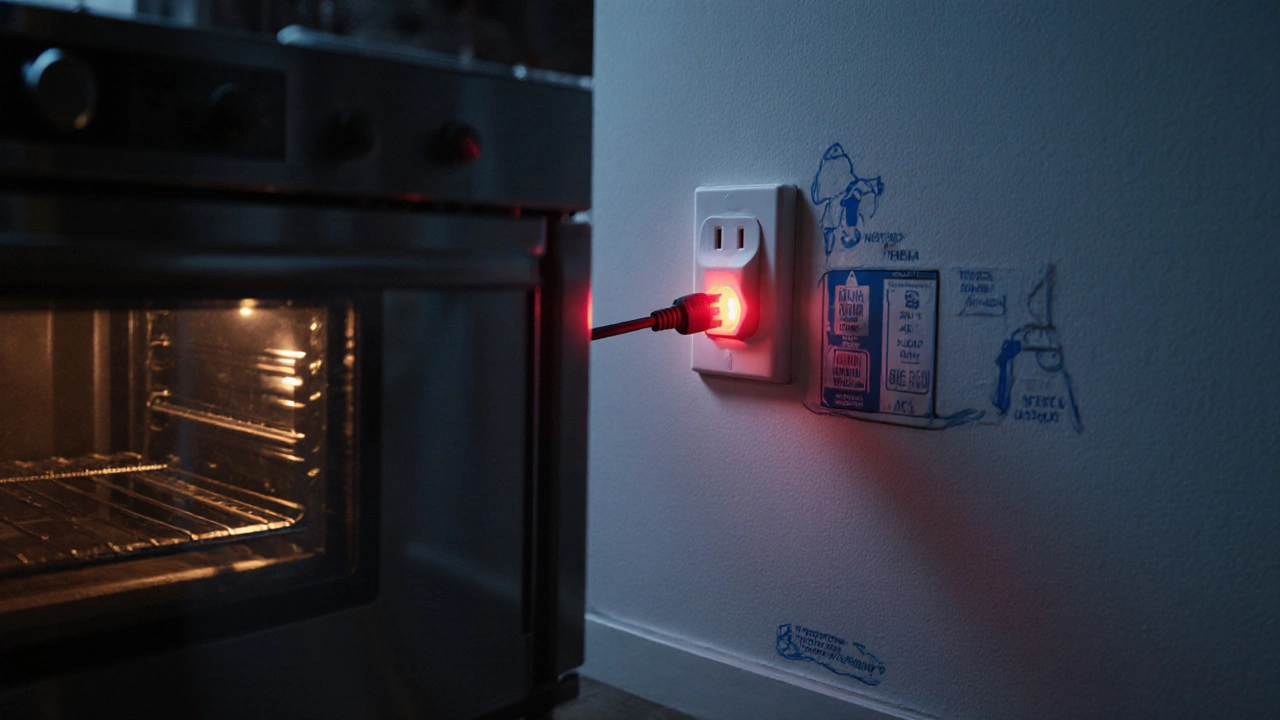
You can't just plug in a new electric oven like a toaster. It needs a dedicated 240-volt circuit, proper wiring, and the right breaker. Skipping these steps risks fire, damage, or failure.
View More