Ever lit a burner on your gas cooktop and gotten nothing but a click and a smell of gas? It’s not just frustrating-it’s dangerous if you don’t handle it right. Gas cooktops are built to last, but they don’t last forever. And no, you can’t just ignore a faulty burner or a weak flame. The good news? A lot of common gas cooktop problems can be fixed with basic tools and a little know-how. The bad news? Some issues are best left to licensed professionals. Here’s what you actually need to know before you grab a screwdriver.
What’s Actually Broken?
Before you start tearing into your cooktop, figure out what’s wrong. Most gas cooktop failures fall into three buckets: no ignition, weak or uneven flames, or gas leaks. Each one has a different cause-and a different risk level.If none of the burners light, the problem could be the spark module, a clogged gas port, or a failed safety valve. If only one burner won’t light, it’s probably just that burner’s orifice or electrode. Weak, yellow flames instead of crisp blue ones? That’s usually air-to-gas ratio issues or dirt buildup. And if you smell gas even when everything’s off? That’s not normal. That’s a red flag.
Don’t guess. Test it. Turn on the burner and listen. Do you hear a consistent clicking? That’s the igniter working. If you hear nothing, the spark generator might be dead. If you hear clicking but no flame, the gas isn’t flowing properly. Smell gas? Don’t light a match. Don’t flip any switches. Open windows, leave the house, and call your gas company immediately.
Simple Fixes You Can Do Yourself
Most gas cooktop problems are surface-level. You don’t need to replace the whole unit. Here’s what you can fix in under an hour with tools you probably already own.
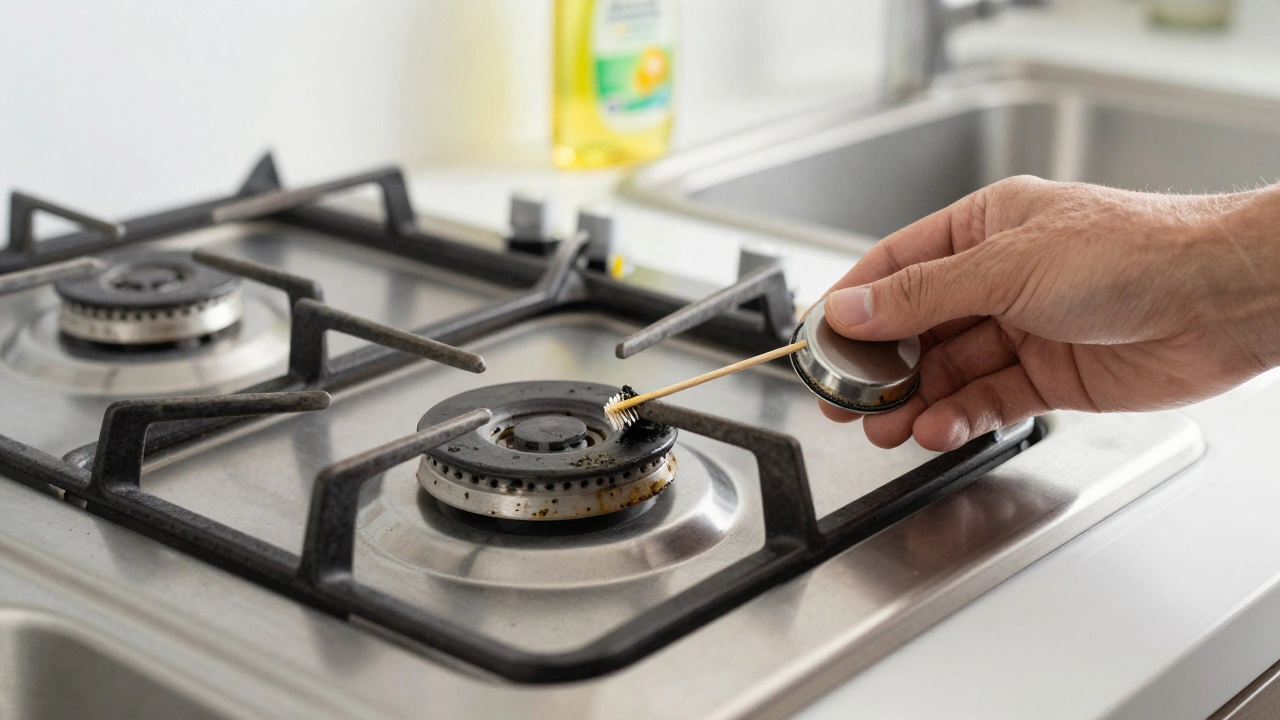
- Clean the burner caps and ports. Food grease and carbon buildup clog the tiny holes around the burner. Remove the cap, soak it in warm soapy water for 20 minutes, then use a toothpick or needle to clear each port. Don’t use a wire brush-it can widen the holes and mess up the flame pattern.
- Check the igniter. If it’s cracked or covered in grime, it won’t spark properly. Wipe it with a dry cloth. If it’s visibly broken, replace it. Most igniters cost under $20 and snap right in. Match the model number from your cooktop’s label.
- Adjust the air shutter. Yellow flames mean too little air. Behind each burner, there’s a small metal collar you can twist. Turn it slightly to increase airflow. You’ll see the flame turn from orange to blue. Too much air? The flame lifts off the burner. Back it off a quarter turn.
- Replace the thermocouple. If the burner lights but goes out after 30 seconds, the thermocouple (a safety sensor) is faulty. It’s a thin metal rod near the pilot or burner. Unscrew it, take it to a hardware store, and match the thread size and length. New ones cost $15-$30.
These fixes work in 70% of cases. Vancouver’s hard water and heavy cooking mean buildup happens fast. Clean your burners every three months. It’s that simple.
When You Shouldn’t Try to Fix It
Some things are not DIY. And if you’re unsure, you’re probably not ready.
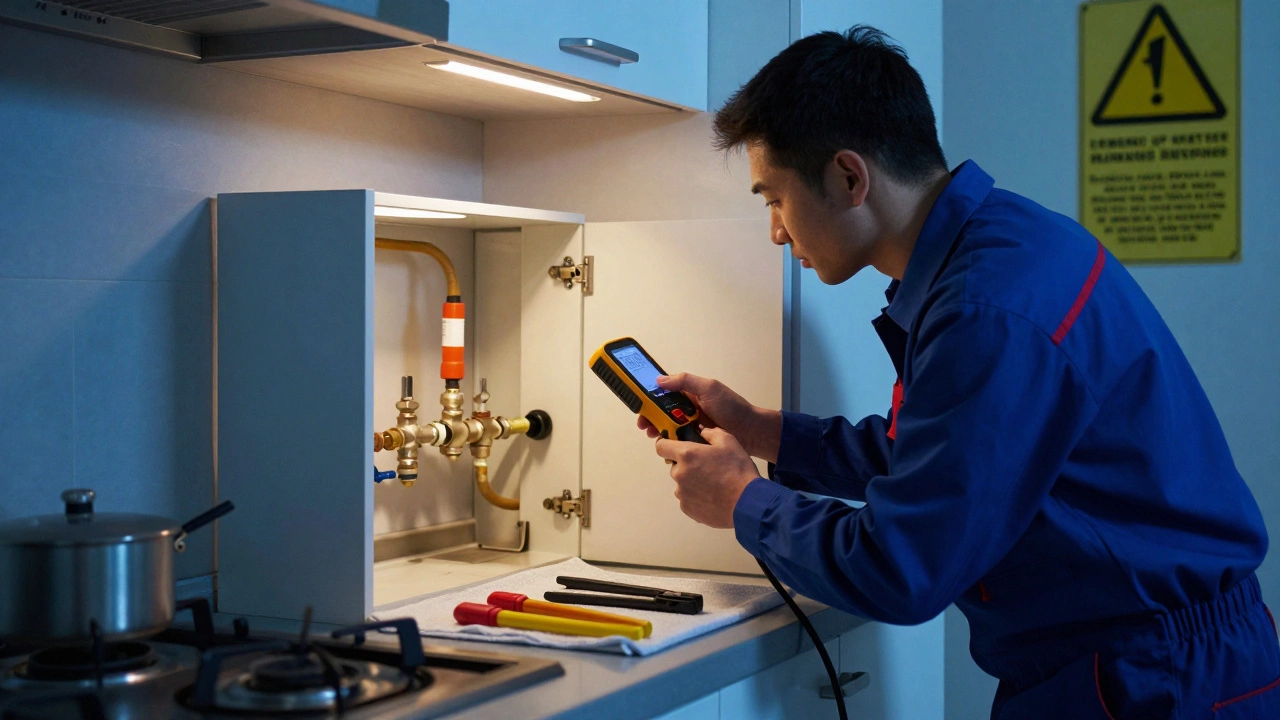
Gas lines behind the cooktop? Don’t touch them. If you need to disconnect the gas line to access something, you need a licensed technician. In British Columbia, it’s illegal for unlicensed people to work on gas piping. Even a tiny leak can cause an explosion. Gas companies in Metro Vancouver respond to leak calls within 30 minutes-free of charge. Call them first.
Also skip DIY if:
- The cooktop is over 15 years old and has multiple failing parts.
- You’ve tried cleaning and replacing parts, and it still doesn’t work.
- The control knobs are cracked or don’t turn smoothly-this often means the internal gas valve is worn.
- You hear a hissing sound from under the cooktop when it’s off.
Older models, like the 2008 GE Profile or 2010 Frigidaire Gallery, often have obsolete parts. Replacing the whole cooktop might cost less than hunting down a discontinued igniter or valve. Plus, newer models are 20-30% more efficient and have better safety sensors.
Gas Cooktop Safety Checklist
Before you even think about repairing anything, do this:
- Turn off the gas shut-off valve behind the cooktop. It’s usually a lever you turn 90 degrees until it’s perpendicular to the pipe.
- Unplug the cooktop if it has an electric ignition. Even if it’s gas-powered, the spark module runs on 120V.
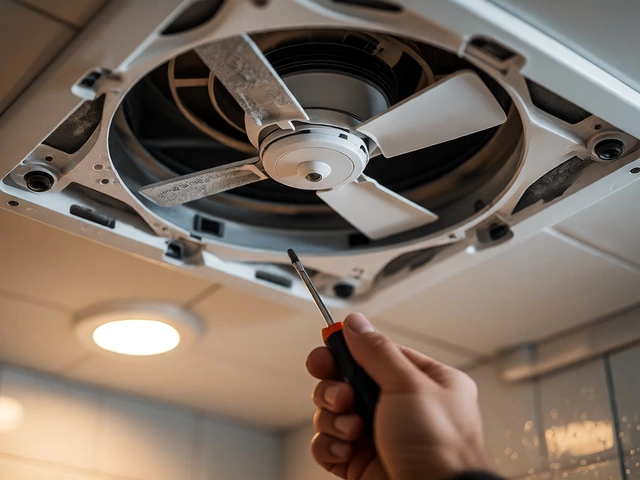
- Open windows and turn on the extractor fan. Ventilation is critical.
- Don’t use a phone or light switch near the cooktop while working. Sparks from electronics can ignite gas.
- Keep a fire extinguisher rated for Class B (flammable liquids/gases) nearby. ABC types work fine.
After you fix it, test it slowly. Light each burner one at a time. Watch the flame. It should be steady, blue, and hug the burner. No lifting, no flickering. If it’s not, turn it off and call someone.
How Much Does a Professional Repair Cost?
DIY saves money-but only if you do it right. In Vancouver, a certified gas technician charges $85-$120 per hour. Most repairs take 1-2 hours.
Typical repair costs:
- Igniter replacement: $150-$220 (parts + labor)
- Thermocouple replacement: $120-$180
- Gas valve replacement: $300-$500
- Full cooktop replacement: $1,200-$2,500 (including removal and gas reconnection)
Most repair companies offer free diagnostics. That means you pay nothing unless they fix it. Get a quote before they start. Some will try to upsell you a new unit when a $50 part would’ve done it.
When to Replace Instead of Repair
Here’s the rule: if the repair costs more than half the price of a new cooktop, replace it.
Basic gas cooktops start at $700. Mid-range models with sealed burners and electronic ignition run $1,000-$1,500. High-end stainless steel units with infrared burners hit $2,000+. You can find reliable used units on Kijiji or Facebook Marketplace for $300-$600 if you’re handy with installation.
Also consider replacement if:
- Your cooktop has no safety shutoffs (older models don’t).
- It’s not ENERGY STAR certified. Newer models use 25% less gas.
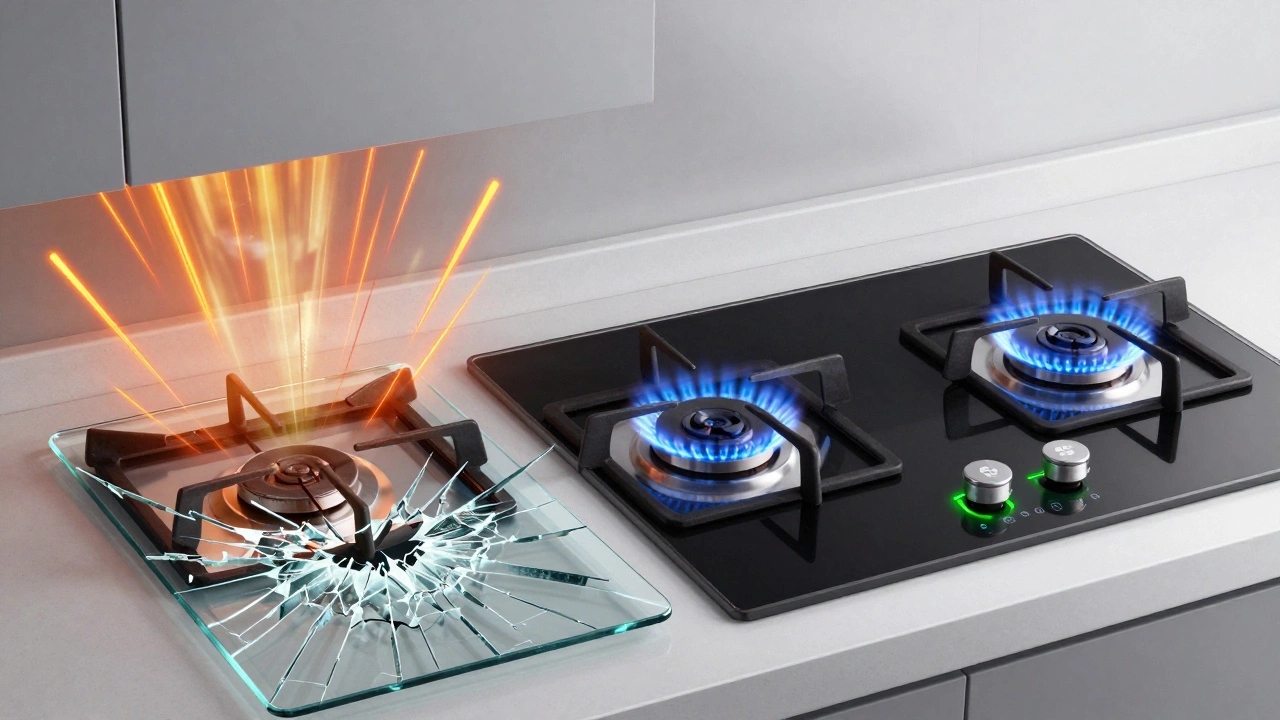
- The glass or enamel is cracked. Gas can seep into the cabinet underneath.
- You’re planning to sell your home. Buyers notice outdated or damaged appliances.
Replacing a cooktop isn’t just about function-it’s about safety and resale value. A 2025 model with automatic flame failure detection is a big selling point.
What to Look for in a Repair Technician
If you’re calling a pro, don’t just pick the cheapest one. Gas work is high-risk. Look for:
- Valid Gas Fitter License from Technical Safety BC (TSBC).
- Proof of liability insurance.
- Reviews mentioning gas leak repairs-not just cleaning.
- Warranty on parts and labor (at least 90 days).
Ask if they use manufacturer-approved parts. Some shops use cheap knockoffs that fail in six months. Also confirm they’ll test for leaks with a gas detector after the repair-not just by smell.
Preventing Future Problems
Once your cooktop’s fixed-or replaced-keep it running smoothly:
- Wipe spills immediately. Sugar and tomato sauce bake into the ports and cause clogs.
- Use pots that match the burner size. A small pot on a large burner wastes gas and overheats the base.
- Check the igniter every six months. Clean it with a dry toothbrush.
- Have your gas lines inspected every 3-5 years. Most municipalities offer free safety checks for homeowners.
Simple habits prevent 80% of repairs. A clean cooktop is a safe cooktop.
Frequently Asked Questions
Can I use a gas cooktop if one burner isn’t working?
You can use the other burners, but only if there’s no gas smell when the faulty burner is off. If you smell gas even when it’s not lit, stop using the entire cooktop. A single broken burner can mean a leak in the gas manifold. Turn off the gas and call a technician.
Why does my gas cooktop make a loud pop when I light it?
That’s delayed ignition. Gas has built up in the burner cavity before the spark hits it. Clean the burner ports and make sure the igniter is close enough to the gas outlet. If it keeps happening, the gas valve might be leaking slowly. Have it checked.
Is it safe to use a gas cooktop with a cracked glass top?
No. Even small cracks can let gas escape into the cabinet below. This is a fire hazard. The glass isn’t just a surface-it’s a seal. Replace the entire cooktop or have a technician install a new glass panel. Don’t try to glue it.
Can I convert my gas cooktop to electric?
Not easily. Gas cooktops are designed for gas lines and venting. Converting requires rewiring, new burners, and possibly upgrading your electrical panel. It’s almost always cheaper and safer to replace the unit with an electric or induction cooktop designed for the space.
How long should a gas cooktop last?
With regular cleaning and proper use, a gas cooktop lasts 15-20 years. But if it’s exposed to moisture, salt air, or frequent spills without cleaning, it can fail in 8-10 years. Vancouver’s humid climate means rust and corrosion happen faster than in drier regions.
Next Steps
If your cooktop is acting up, start with the simplest fix: clean the burners. If that doesn’t work, check the igniter and thermocouple. If you’re not confident, don’t risk it. Call a licensed gas fitter. Most offer same-day service in Vancouver.
And if you’re thinking about replacing it, look for models with flame failure detection, sealed burners, and electronic ignition. They’re safer, more efficient, and last longer. Your kitchen-and your safety-deserve it.