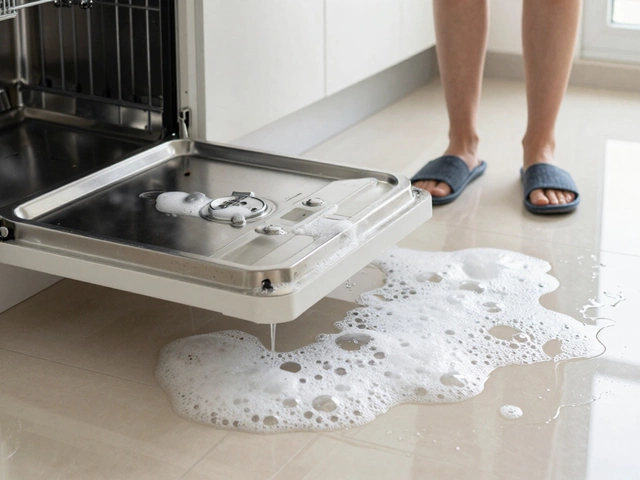
Dishwasher Problems? Common Issues and How to Fix Them
When your dishwasher, a household appliance designed to automatically clean dishes using water and detergent. Also known as a dishwashing machine, it’s one of the most relied-on appliances in the kitchen—until it stops working. Suddenly, you’re left with a sink full of dirty plates and no idea why. Dishwasher problems are frustrating, but they’re rarely as complicated as they seem. Most issues stem from simple, fixable causes like clogged filters, tripped breakers, or faulty door latches—not a full replacement.
One of the most common dishwasher error codes, digital alerts that tell you what part of the system is failing is a flashing light or a code like "E1" or "F2." These aren’t random—they’re clues. For example, an E1 often means water isn’t filling properly, while F2 could point to a drain issue. Many people panic and call a technician, but 70% of these errors can be resolved by checking the filter, ensuring the water inlet valve isn’t blocked, or just resetting the dishwasher, a basic reboot process that clears temporary software glitches in modern units. It’s like restarting your phone—simple, free, and often effective.
Another frequent culprit is the door latch, the mechanism that secures the door and signals the dishwasher it’s safe to start. If it’s worn, misaligned, or covered in gunk, the dishwasher won’t start—no matter how many times you slam it shut. A quick clean with vinegar and a check for physical damage can save you a service call. And don’t overlook the drain pump, the small motor that pushes water out after each cycle. Food particles and grease build up over time, especially if you skip rinsing plates. That’s why cleaning the filter every month is the #1 tip from appliance repair techs.
Some problems are louder than others. If your dishwasher is making grinding or humming noises, it’s not just being moody—it’s likely struggling with a stuck spray arm, broken impeller, or failing motor. These aren’t always DIY fixes, but knowing the difference between a clog and a motor failure helps you decide when to call in help. And if your dishes come out cloudy or wet? That’s usually a rinse aid issue, not a broken heating element. A quick refill of rinse aid can make a huge difference.
You don’t need to be a technician to handle most dishwasher problems. You just need to know where to look. The posts below cover real fixes from real homes: how to reset a dishwasher that won’t start, what those cryptic error codes actually mean, how to clean the internal parts without taking the whole thing apart, and when it’s cheaper to replace than repair. No fluff. No jargon. Just clear steps you can follow while standing in your kitchen with a screwdriver and a little patience.
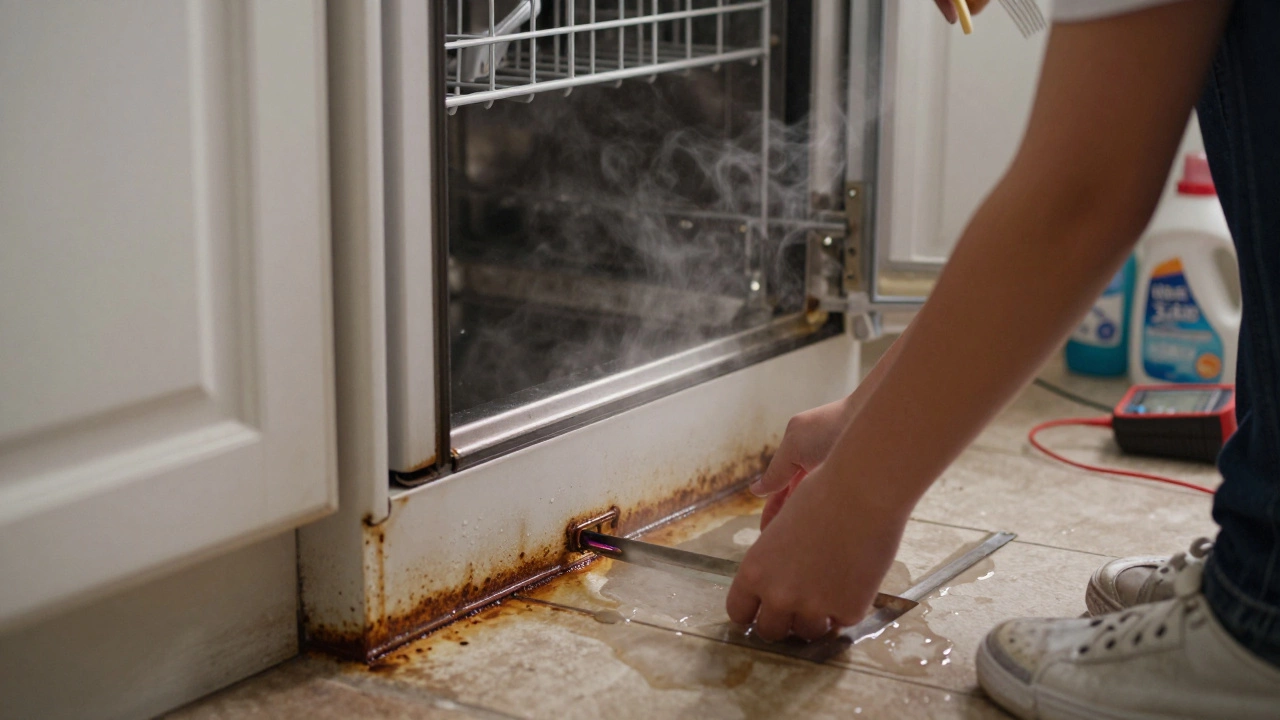
How to Tell If Your Dishwasher Needs Repair or Replacement
- Alden Wilder
- Dec 18 2025
- 0 Comments
Learn the key signs your dishwasher needs repair or replacement. From age and leaks to repair costs and energy use, this guide helps you make the right call without overspending.
View More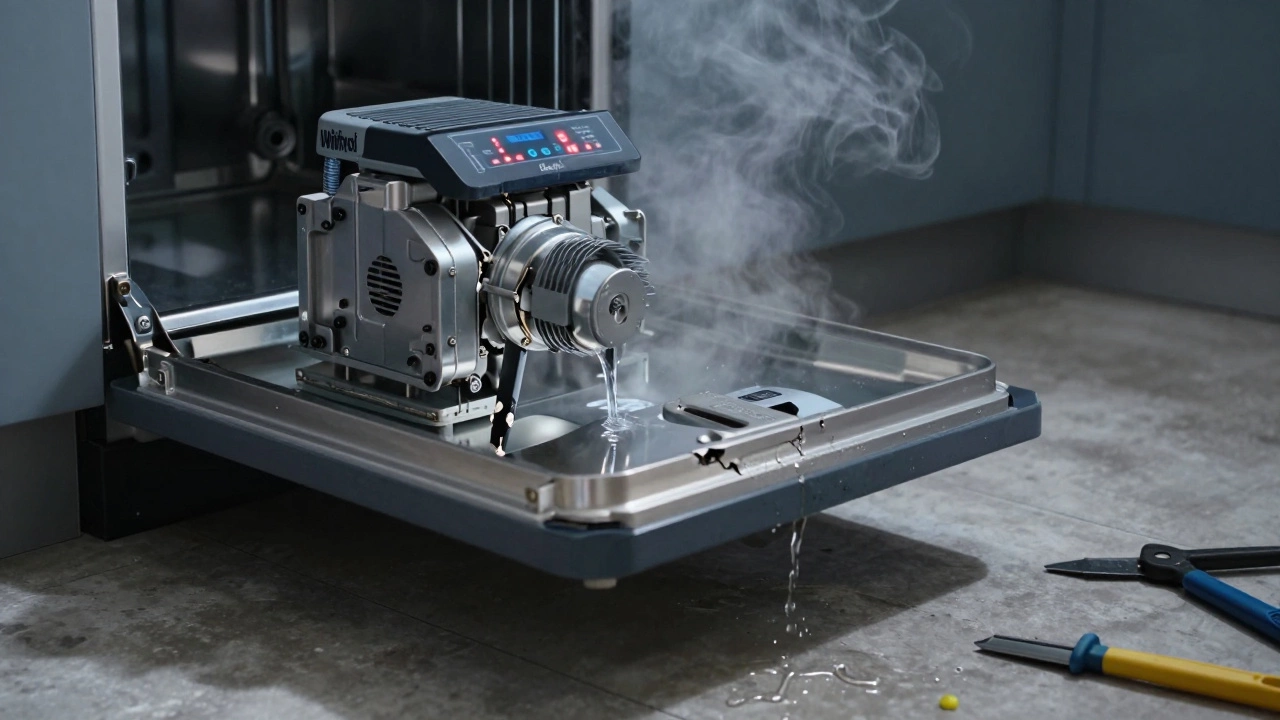
What Brands of Dishwashers to Avoid in 2025
- Alden Wilder
- Dec 1 2025
- 0 Comments
Learn which dishwasher brands to avoid in 2025 based on real repair data. Discover why Whirlpool, GE, Bosch, Maytag, and LG fail early-and what models actually last.
View More