Extractor Fan Run-Time & Cost Calculator
Estimate how long you should run your fan based on activity type, and see exactly what it costs in electricity versus the risk of mold damage.
Select an activity and click Calculate.
Recommended Post-Use Run Time
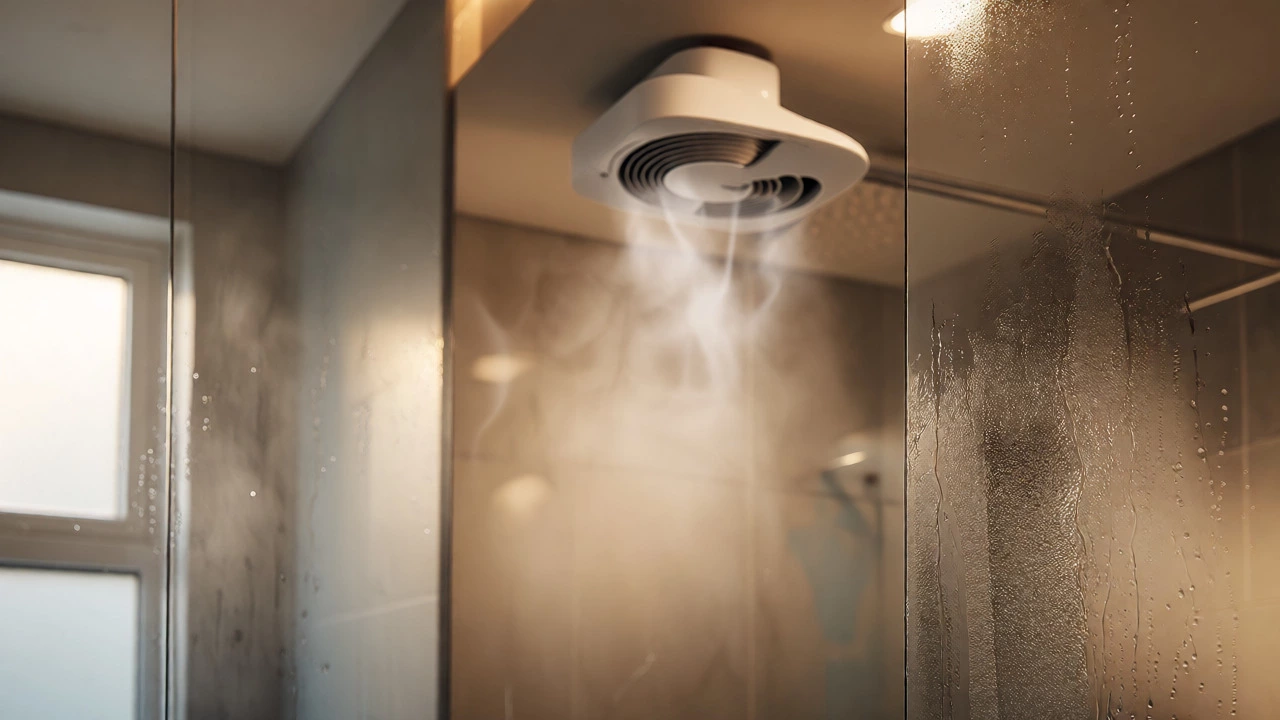
You just stepped out of a steamy shower. The mirror is fogged over, the tiles are dripping, and that familiar hum of the extractor fan is still running in the background. You’re standing there with a towel wrapped around you, wondering: should I turn it off now to save electricity, or leave it on longer to dry things out?
This isn’t just about being cheap with your power bill. It’s about whether your bathroom walls are quietly developing black mold while you sleep. Leaving the fan on too long might seem wasteful, but turning it off too soon can lead to expensive repairs down the road. So, what’s the actual rule? Is it safe to leave it running all night? Let’s break down exactly how long you should let it run, when it’s actually dangerous to leave it on, and how to stop worrying about this every single time you wash your hands.
The Real Reason Your Bathroom Needs Airflow
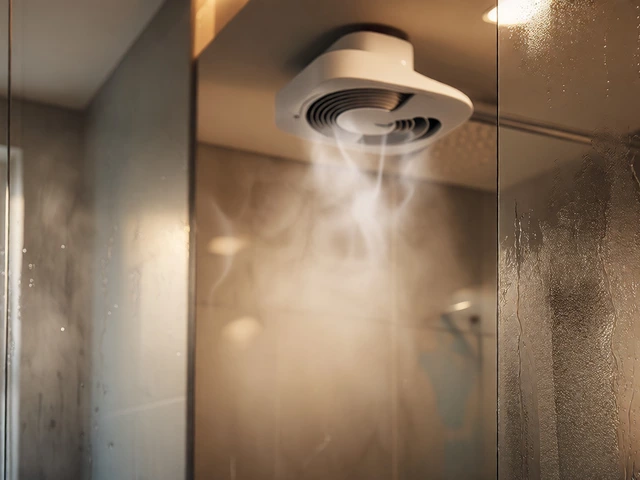
Before we talk about timers, you need to understand what the fan is actually doing. An extractor fan doesn’t just remove smells; it removes water vapor. When you take a hot shower, you release gallons of moisture into the air. If that moisture has nowhere to go, it condenses on cold surfaces like mirrors, windows, and tile grout.
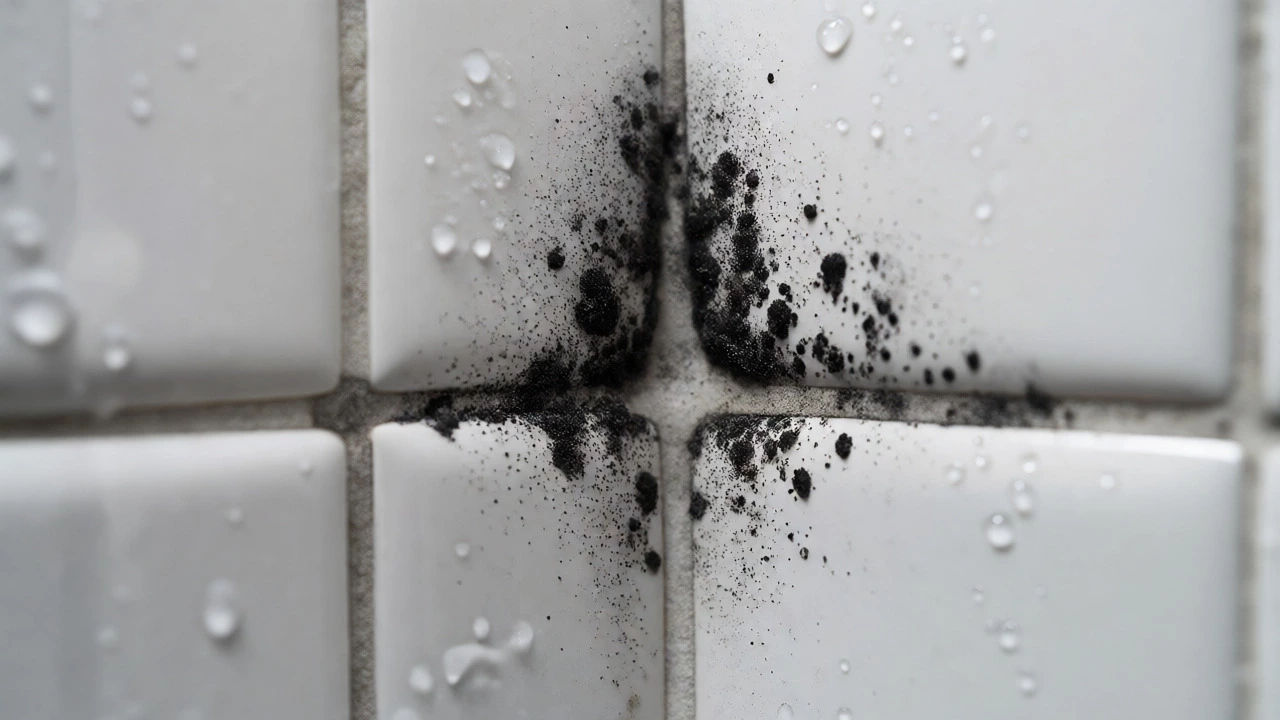
In Vancouver, where humidity is already high year-round, this is a bigger deal than people realize. If the relative humidity in your bathroom stays above 60% for extended periods, you create the perfect breeding ground for mold. Mold doesn’t just look gross; it damages drywall, rots wood trim, and can trigger allergies. The fan’s job is to push that humid air outside, replacing it with drier air from the rest of the house or through intake vents.
So, is it OK to leave it on? Technically, yes. Most modern fans are designed to run continuously without overheating. But "can it" and "should it" are two different questions. Running it unnecessarily wears out the motor bearings faster and adds pennies to your electric bill, which adds up if you have multiple fans running 24/7.
How Long Should You Actually Run It?
Here is the golden rule that most HVAC technicians agree on: run your fan for at least 15 to 20 minutes after you finish using the bathroom. This applies whether you took a quick rinse or a 30-minute soak.
Why 20 minutes? Because it takes time for the residual moisture trapped in towels, rugs, and porous grout to evaporate into the air so the fan can catch it. If you shut the door and turn off the fan immediately after stepping out, that moisture gets trapped in the small, enclosed space. It sits there, soaking into the drywall behind the tiles.
However, leaving it on for hours-or worse, days-is usually unnecessary unless you have a specific problem. If you have a windowless bathroom that feels perpetually damp, you might need to run it longer. But for a standard home, 20 minutes post-shower is the sweet spot between effective drying and reasonable wear-and-tear.
| Activity | Minimum Run Time (Post-Use) | Why |
|---|---|---|
| Quick Shower (under 10 mins) | 15 minutes | Low heat means less steam, but humidity still spikes. |
| Long Hot Bath/Shower | 20-30 minutes | High heat releases massive amounts of vapor that lingers on surfaces. |
| Doing Laundry in Bathroom | 30+ minutes | Wet clothes release significant moisture as they hang dry. |
| Painting Walls | Continuous until fumes dissipate | Ventilation is critical for health, not just moisture. |
Is It Safe to Leave It On Overnight?
Many people ask if it’s safe to leave the fan on overnight, especially if they share a bathroom or want to prevent morning fog. The short answer is: generally, yes, but with caveats.
Modern AC motors in ceiling-mounted fans are built to handle continuous operation. They don’t typically overheat under normal load. However, older units, or those that haven’t been cleaned in years, pose a risk. Dust and lint accumulate on the blades and inside the housing. This insulation effect can cause the motor to run hotter than intended. In rare cases, excessive dust buildup combined with a failing bearing can become a fire hazard.
If you plan to leave it on overnight, do this check first:
- Listen to it: Does it sound smooth, or is it grinding/rattling? A noisy fan is struggling.
- Check the airflow: Put your hand near the vent outside. Is air pushing out strongly? If it’s weak, the fan is working hard against a blockage.
- Feel the housing: After 10 minutes of running, touch the exterior casing (carefully). If it’s extremely hot to the touch, don’t leave it on unattended.
If your fan passes these checks, leaving it on overnight is fine. Just know that you’re paying for electricity to move air that might not be very humid anymore. A timer switch is a much smarter investment here.
The Energy Cost: Are You Wasting Money?
Let’s talk numbers because guilt often drives us to turn the fan off too early. How much does it actually cost to run an extractor fan?
A standard bathroom exhaust fan uses between 30 and 80 watts of power. Compare that to a hairdryer (1500 watts) or a space heater (1500 watts), and you’ll see the difference. Running an 80-watt fan for one hour costs roughly $0.01 to $0.02 CAD depending on your local hydro rates. Even if you left it on for 24 hours straight, it would cost you less than 50 cents a day.
So, the energy savings from turning it off after 5 minutes instead of 20 are negligible-maybe a few dollars a year. The real cost isn’t the electricity; it’s the potential repair bill for mold remediation or repainting a bathroom with peeling paint. From a financial perspective, erring on the side of leaving it on longer is cheaper than fixing water damage.
When You Should NOT Leave It On
While moisture control is key, there are scenarios where leaving the fan running is counterproductive or unsafe.
1. During Extreme Winter Cold: If you live in a very cold climate and your ductwork isn’t insulated properly, running the fan pulls warm indoor air out and sucks freezing outdoor air in through cracks. This can drop the bathroom temperature drastically, making the room uncomfortable and potentially causing pipes to freeze if the bathroom is poorly heated. In deep winter, prioritize heating efficiency slightly more than aggressive ventilation, but never skip it entirely.
2. If the Fan is Noisy or Vibrating: Never leave a malfunctioning fan running unattended. A wobbly blade can loosen screws, damaging the ceiling mount. A grinding noise indicates bearing failure. If it sounds wrong, fix it before leaving it on for hours.
3. If the Duct is Blocked: Sometimes, birds build nests in roof vents, or lint blocks the filter. If the fan is running but no air is coming out outside, it’s just circulating dust and burning out its motor. Check your external vent cap regularly.
Smart Solutions: Stop Guessing
Instead of mentally timing your showers or worrying if you forgot to turn it off, automate it. Here are three upgrades that solve the "is it OK to leave it on" dilemma permanently.
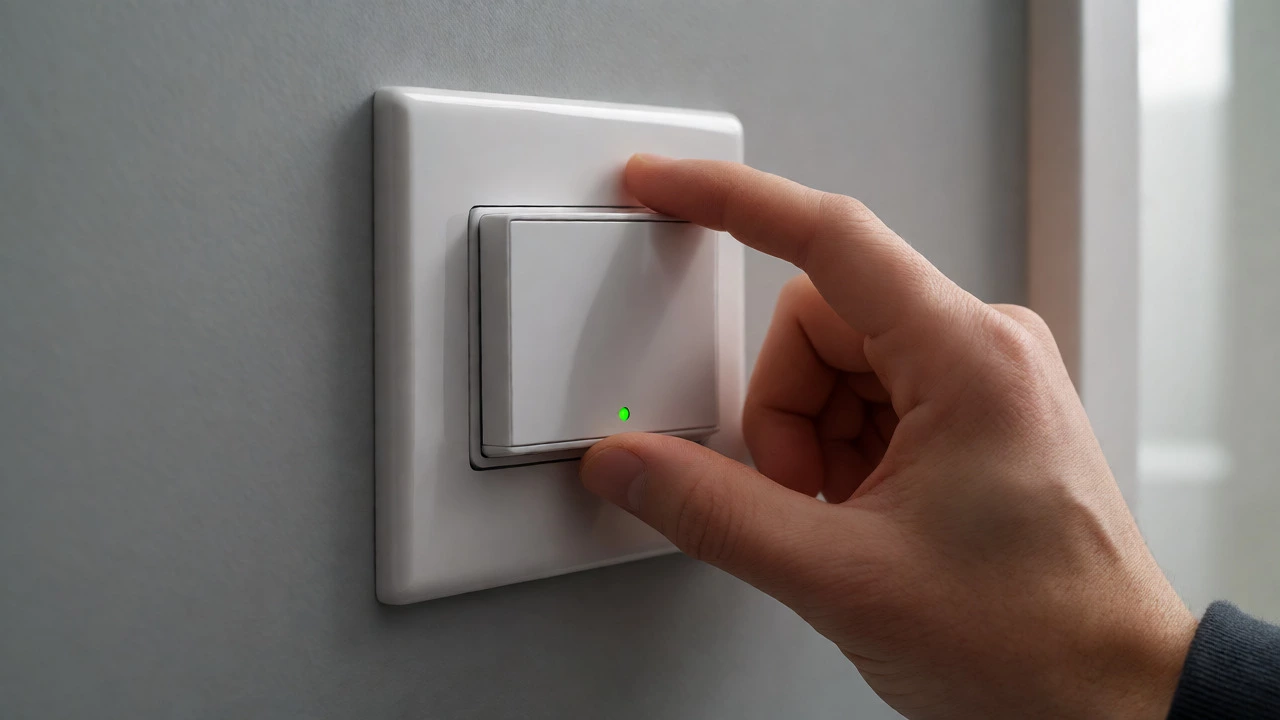
Install a Timer Switch: This is the cheapest and most effective fix. A simple mechanical or digital timer switch replaces your current wall plate. You set it to run for 15, 30, or 60 minutes after you flip the switch. It turns itself off automatically. No more guessing, no more wasted energy, and guaranteed ventilation every time.
Humidity-Sensing Fans: These advanced models measure the moisture level in the air. They stay off when the room is dry and kick on automatically when humidity exceeds a set threshold (usually 60%). Some even have LED indicators that change color based on humidity levels. They ensure the fan runs only when needed, optimizing both comfort and energy use.
Motion Sensors: Less common for moisture control but useful for general ventilation. These turn the fan on when someone enters the room and off after a set period of inactivity. Great for guest bathrooms that get sporadic use.
Troubleshooting Common Ventilation Issues
If you’re worried about leaving the fan on because it seems ineffective, the problem might not be the run time-it might be the unit itself.
- Poor Airflow: Clean the cover grille. Dust buildup restricts air intake. Remove the cover and vacuum the interior.
- Noise: Tighten any loose screws in the mounting bracket. Lubricate the motor shaft if accessible (check manual).
- Backdraft: If you feel cold air blowing *into* the bathroom when the fan is off, your backdraft damper is stuck open. This lets pests and weather in. Replace the damper flap.
Regular maintenance ensures that when you *do* leave the fan on, it’s actually doing its job. A clogged fan running for an hour is useless; a clean fan running for 20 minutes is powerful.
Can I leave my extractor fan on all day?
Yes, you can, provided the fan is in good working condition and not overheating. However, it is rarely necessary. Continuous running accelerates wear on the motor bearings and consumes electricity without adding value once the moisture is gone. Use a timer instead to ensure it runs only during peak humidity times.
Does leaving the fan on help prevent mold?
Absolutely. Mold requires moisture to grow. By extending the run time beyond the shower itself, you lower the relative humidity in the room below the threshold where mold spores germinate. Turning it off too early leaves hidden moisture in grout and drywall, which eventually leads to black spots and musty odors.
How much electricity does a bathroom fan use?
Most residential bathroom exhaust fans use between 30 and 80 watts. Running one for an hour costs approximately 1 to 2 cents in Canada. Leaving it on for 24 hours would cost roughly 25 to 50 cents. Compared to the cost of mold removal or painting, the energy expense is minimal.
What happens if I forget to turn the fan off?
Nothing catastrophic will happen. The fan will continue to pull conditioned air out of your home, which may increase your heating or cooling bills slightly. Over many months, this constant operation may shorten the lifespan of the motor compared to intermittent use, but it won't cause immediate damage unless the unit is old or dirty.
Should I close the bathroom door when the fan is on?
Ideally, leave the door slightly ajar or ensure there is a gap under the door. The fan needs makeup air to replace what it extracts. If the room is completely sealed, the fan works harder to pull air through tiny leaks, reducing its efficiency and potentially straining the motor. A small gap allows fresh, dry air to enter and facilitate better circulation.