Hot Water Troubleshooting Diagnostic Tool
Follow this step-by-step diagnostic tool to identify why you have no hot water and find the most likely solution.
Step 1: Scope of the Problem
Check other faucets in your home. Is the water cold everywhere?
Only the shower is cold
Kitchen and bathroom sinks have hot water.
Whole house is cold
No faucet in the house is producing hot water.
The Diagnosis: Localized Issue
Recommended Actions:
- Remove the shower handle.
- Inspect and clean the cartridge with white vinegar to remove lime scale.
- If the cartridge is worn out, replace the part entirely.
Step 2: Identify Your Heater Type
What kind of water heating system do you have?
Gas Tank
Traditional tank powered by gas/propane.
Electric Tank
Traditional tank powered by electricity.
Tankless
On-demand heating system.
Gas Tank Troubleshooting
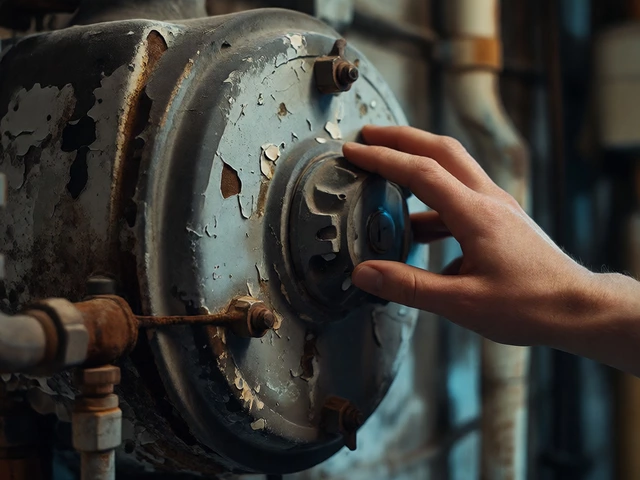
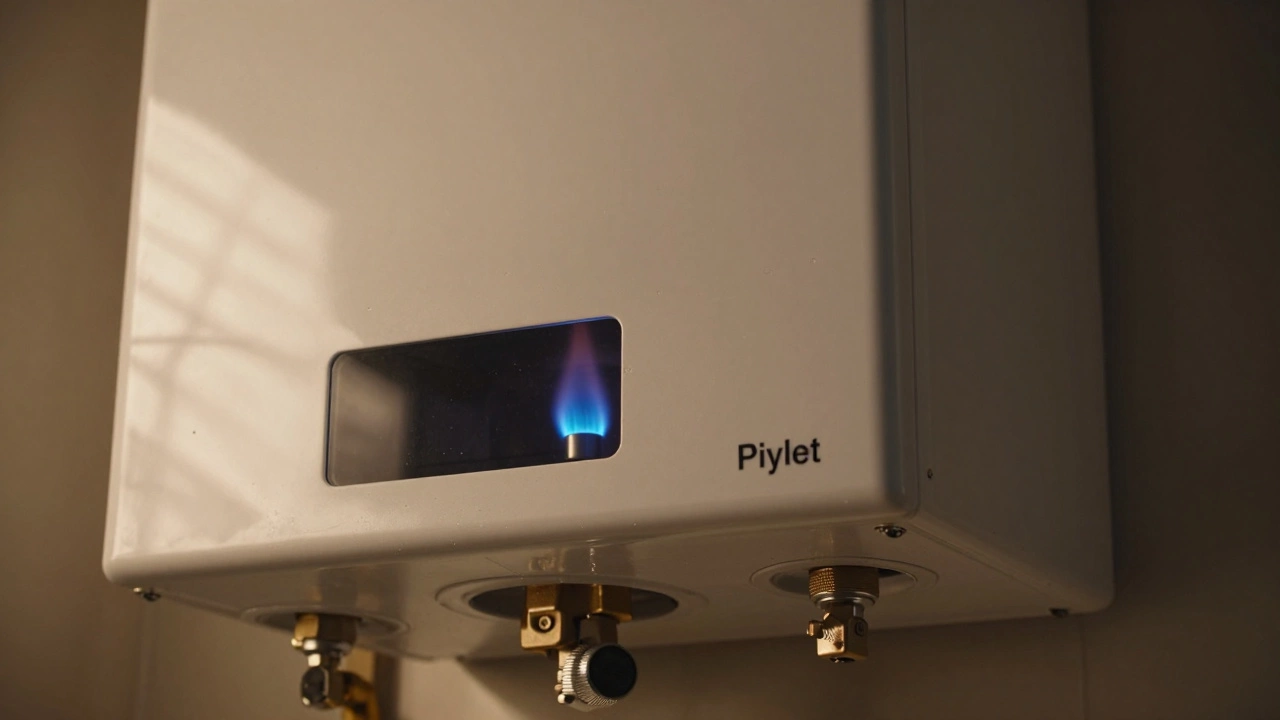
Check the Pilot Light: Look through the viewing window at the bottom.
Electric Tank Troubleshooting
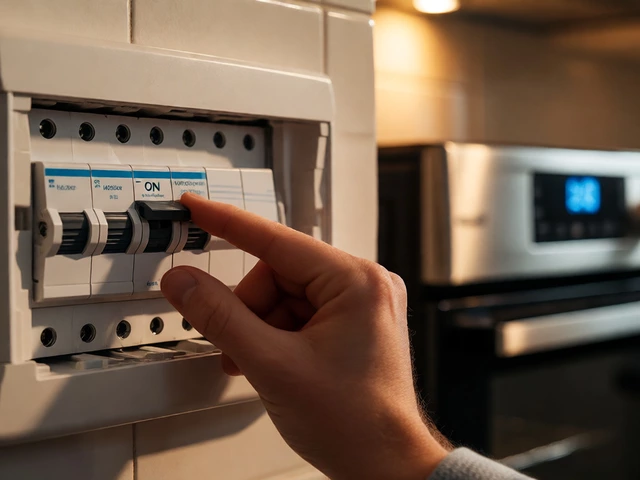
Check the Circuit Breaker: Has the switch flipped to 'OFF' or 'Trip'?
Tankless Troubleshooting
Identify the Symptom: Is it totally cold or just intermittent?
Your Potential Solution:
Quick Fix Guide
- Check the Power: Look for tripped circuit breakers or blown fuses.
- Pilot Light: For gas heaters, ensure the flame is actually lit.
- Reset Button: Electric heaters often have a high-limit switch that needs a manual reset.
- Water Levels: Check for leaks or low water pressure that might stop the heater from firing.
- Thermostat Settings: Ensure the temperature hasn't been accidentally bumped down.
Identifying the Scope of the Problem
Before you start twisting valves, you need to figure out if the problem is just in the shower or affecting the whole house. Go to the kitchen or bathroom sink and turn on the hot water. If you have lukewarm water there but ice-cold water in the shower, the issue isn't your heater-it's likely a faulty Shower Mixing Valve. This is the part behind the handle that blends hot and cold water. Over time, the cartridge inside can wear out or get clogged with mineral deposits, preventing hot water from entering the shower head.
However, if every faucet in your home is cold, your Water Heater is the culprit. A water heater is a device designed to heat and store water for domestic use, and depending on your home, it's likely either electric or powered by natural gas or propane.
Fixing Gas Water Heater Issues
If you have a gas-powered unit, the most common reason for a cold shower is that the Pilot Light has gone out. The pilot light is a small, constantly burning flame that ignites the main burner. If a draft or a pressure dip puts it out, the heater stops working entirely.
To check this, look at the bottom of your unit. You'll usually see a small viewing window. If you don't see a blue flame, it's out. Follow the manufacturer's instructions on the tank to relight it. Usually, this involves turning the knob to "Pilot," pressing it down, and clicking the igniter. If it won't stay lit, you might have a faulty Thermocouple-a small sensor that tells the gas valve it's safe to release fuel. If the thermocouple is burnt out, the gas won't flow, and you'll need to replace that specific part.
Tackling Electric Water Heater Failures
Electric heaters don't have flames, but they do have electrical gremlins. If you've suddenly lost hot water, the first place to check is your Circuit Breaker. Water heaters pull a lot of power; if the system overloads, the breaker will trip to prevent the wires from overheating.
If the breaker is fine, the problem might be the internal reset button. Most electric heaters have a high-limit switch designed to shut off the power if the water gets too hot. This is a safety feature to prevent the tank from rupturing. You can find the reset button by removing the access panel on the side of the tank (be sure to turn off the power first!). Press the red button-if you hear a click, you've just restored your hot water. If it trips again immediately, you likely have a burnt-out Heating Element.
| Heater Type | Common Symptom | Most Likely Cause | Difficulty to Fix |
|---|---|---|---|
| Gas Tank | No heat at all | Pilot Light out / Thermocouple failure | Low-Medium |
| Electric Tank | Lukewarm water | One of two heating elements failed | Medium |
| Electric Tank | Total cold water | Tripped breaker or High-limit switch | Low |
| Tankless Gas | Intermittent heat | Scale buildup in heat exchanger | Medium-High |
Dealing with Tankless Water Heater Glitches
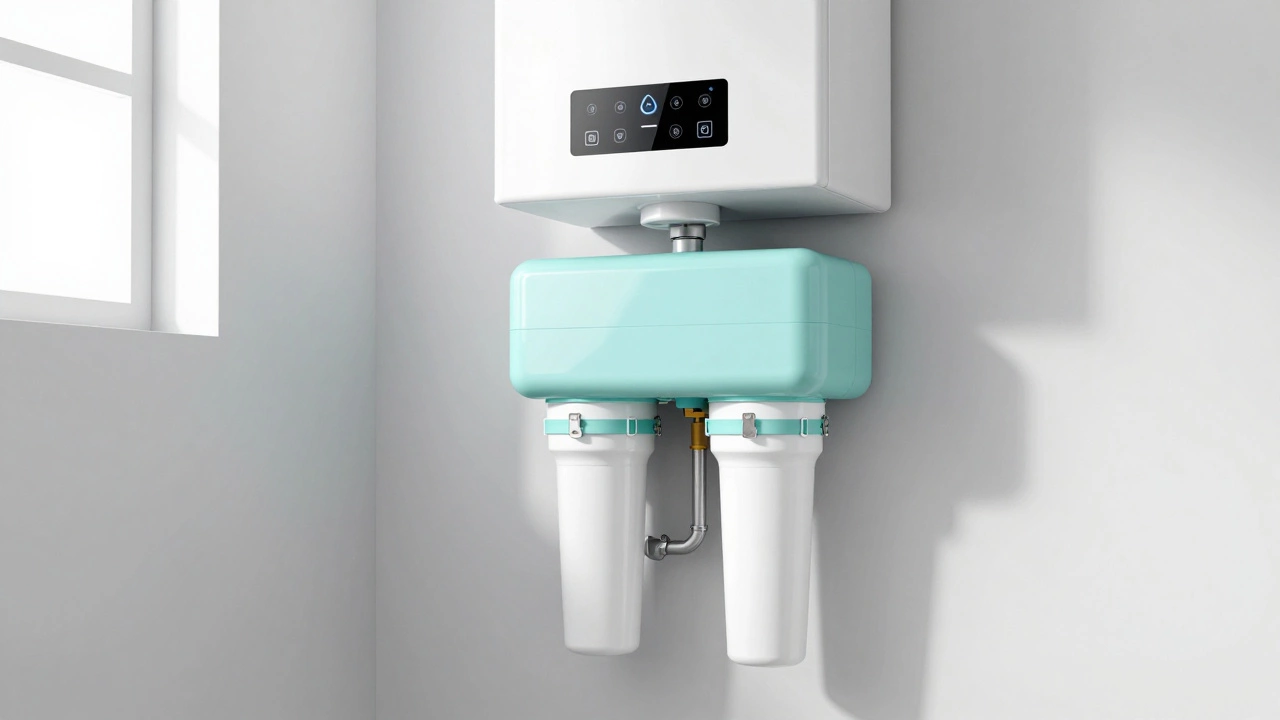
If you have a Tankless Water Heater, you aren't storing water in a big tank; instead, the unit heats water on demand as it flows through a heat exchanger. Because these units use high-intensity burners, they are prone to "scaling." This happens when calcium and magnesium from hard water build up inside the pipes, acting like insulation and blocking the heat from reaching the water.
If your tankless system is struggling, you might need to flush it with a descaling solution. This involves pumping a food-grade acid through the unit to dissolve the minerals. If the unit isn't firing at all, check the Flow Sensor. If this sensor is clogged or broken, the heater doesn't know you've turned on the tap and won't start the heating process.
When the Problem is the Plumbing, Not the Heater
Sometimes the heater is working perfectly, but the hot water just isn't reaching the shower. This is where no hot water in shower issues become a plumbing puzzle. One common culprit is a "cross-over" occurring in a single-handle faucet elsewhere in the house. If a washer fails in a different tap, cold water can leak into the hot water line, diluting the temperature before it hits your shower.
Another possibility is an air lock. This happens when air bubbles get trapped in the pipes, blocking the flow of water. To fix this, you can try "bleeding" the lines by opening all the hot water taps in the house and letting them run for a few minutes to push the air out.
Preventing Future Cold Showers
The best way to avoid a cold morning is through basic maintenance. For tank heaters, you should drain a few gallons from the bottom valve once a year to remove sediment. This sediment settles at the bottom and creates a layer of sludge that makes the heater less efficient and can eventually cause the tank to leak. If you have a gas unit, check your vent pipes for bird nests or debris that could cause the pilot light to extinguish due to poor airflow.
For those in areas with hard water, installing a Water Softener is a game-changer. By removing the minerals that cause scale, your heating elements and heat exchangers will last years longer, and you'll avoid the dreaded mid-winter cold shower.
Why is my water only warm and not hot?
In electric heaters, this usually means one of your two heating elements has burnt out. The other one is still working, but it can't keep up with the demand, resulting in lukewarm water. You'll need to test the elements with a multimeter and replace the dead one.
Can a broken dip tube cause no hot water?
Yes. The dip tube carries cold water to the bottom of the tank to be heated. If it breaks or corrodes, the cold water mixes with the hot water at the top of the tank, meaning you'll get a few minutes of hot water followed by a sudden drop in temperature.
How do I know if my thermocouple is bad?
If you can light the pilot flame manually but it goes out the second you release the knob, the thermocouple is likely failing to send a signal to the gas valve. It's a cheap part and easy to replace with a wrench and a screwdriver.
Is it safe to reset the high-limit switch myself?
Yes, as long as you turn off the power at the breaker first. However, if the switch keeps tripping, do not keep resetting it. This indicates a more serious problem, like a failing thermostat or an overheating tank, which could be dangerous.
Why does the hot water stop halfway through my shower?
This is usually a sign of sediment buildup at the bottom of the tank. The sediment creates a barrier that prevents the water from heating efficiently. Draining and flushing your tank can solve this.
Next Steps and Troubleshooting
If you've checked the breakers, relit the pilot, and reset the switches but you're still shivering in the cold, it's time to evaluate the situation based on your setup:
- If you see water pooling around the base of the tank: Stop. Your tank has likely rusted through. A leaking tank cannot be patched; you need a full replacement.
- If the heater is making loud popping or knocking noises: This is a classic sign of heavy sediment buildup. Try flushing the tank. If that doesn't work, the tank may be reaching the end of its lifespan.
- If only the shower is cold: Focus your efforts on the shower cartridge and the mixing valve. Try removing the handle and cleaning the cartridge with white vinegar to remove lime scale.
- If you smell gas: Leave the house immediately and call your gas company. Do not flip any electrical switches or try to find the leak yourself.