Water Heater Reset Safety Checklist
Current Situation Assessment
Select the issues you are observing with your water heater.
Safety Status
Assessment Pending
Select symptoms above to analyze risk level.
Reset Procedure Checklist
Follow these steps strictly if the assessment allows proceeding.
Locate & Turn Off Breaker
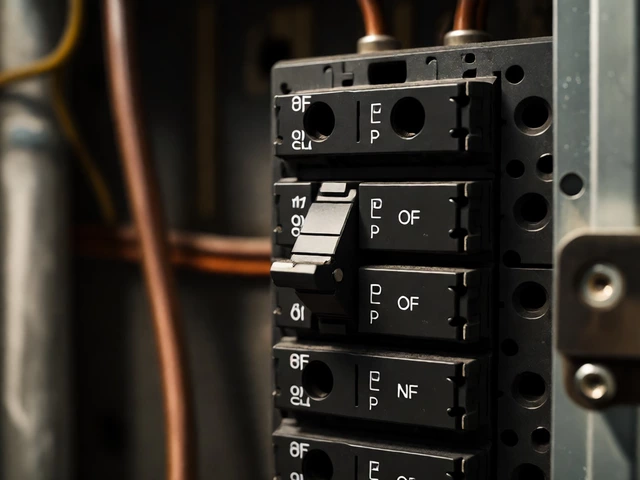
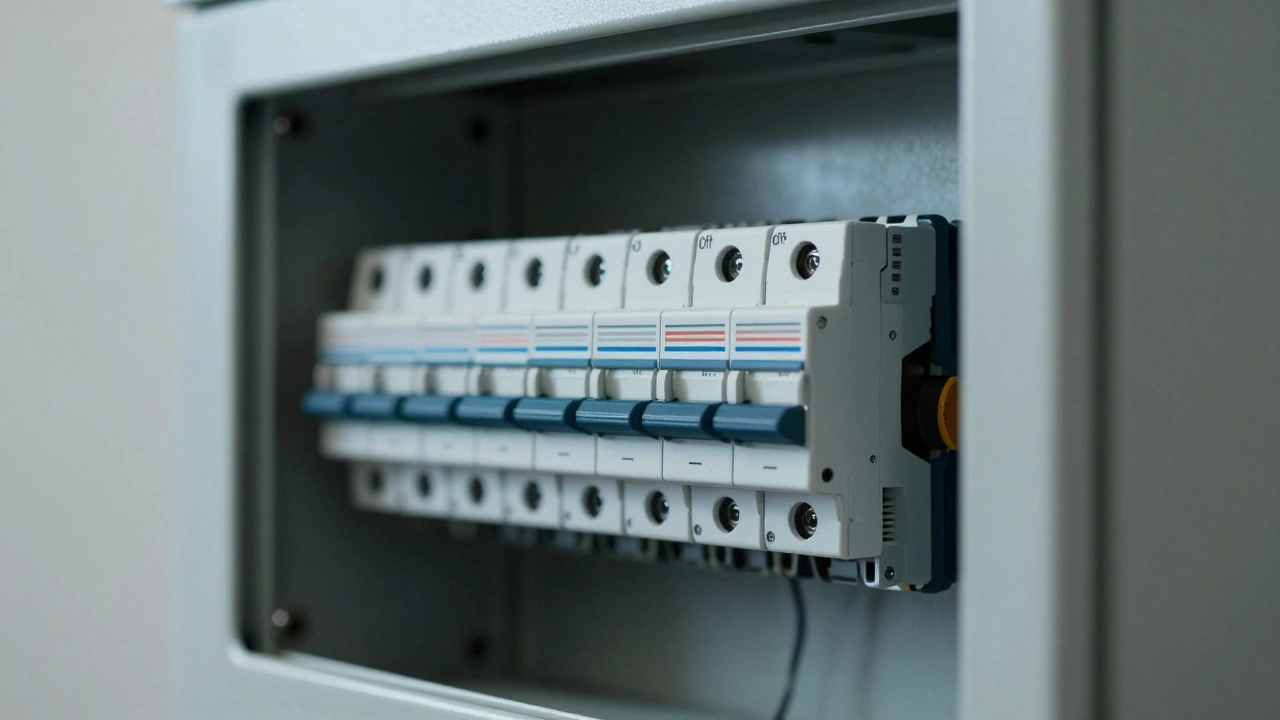
Find the "Water Heater" double-pole breaker in your panel and flip it fully to OFF.
Verify Power is Dead
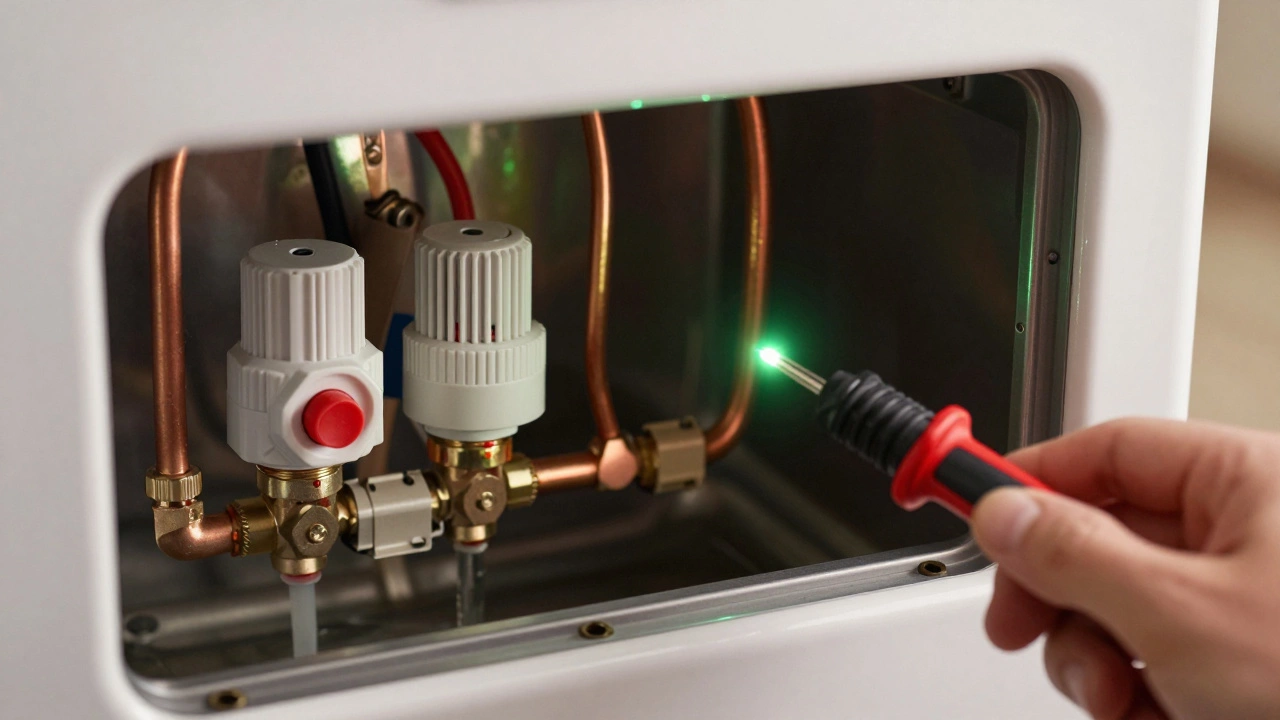
Use a non-contact voltage tester on the wires behind the access panel. It must NOT beep.
Inspect Components
Look for corrosion, scorch marks, or damage on the heating element before touching anything.
Press Reset Button
Firmly press the red button on the upper thermostat assembly until it clicks.
Restore Panel & Power
Replace insulation and metal panel securely. Flip breaker back ON. Wait 30-60 mins.
Imagine this: you step into a shower expecting warmth, and instead, ice-cold water blasts you. You check the thermostat on your water heater, which is a household appliance that heats and stores water for domestic use. It’s set correctly. You look closer and see a small red button labeled "Reset." Your instinct kicks in-just press it, right? Wrong. Pressing that button without checking the electrical panel first isn't just risky; it could be dangerous. The short answer to whether you need to turn off the breaker is yes, absolutely. But understanding *why* and *how* to do it safely makes all the difference between a quick fix and a major hazard.
The High-Stakes Nature of Electric Water Heaters
To understand why power isolation is non-negotiable, we have to look at what’s happening inside that tank. An electric water heater uses two high-wattage heating elements submerged directly in water. These elements typically draw between 3,000 and 5,500 watts each. That’s a massive amount of electricity flowing through metal rods sitting in a conductive liquid. If there is a fault-like a cracked element, a loose wire, or a failed thermal cutoff-the risk of electric shock or fire is real.
The "Reset" button you’re looking at is actually part of the high-limit switch, also known as ECO (Energy Cut Off) switch. This is a safety device designed to cut power if the water gets dangerously hot, usually above 150°F (65°C). When this switch trips, it means something went wrong thermally. Simply resetting it without diagnosing the cause or ensuring the circuit is dead ignores the root problem. More importantly, working near the access panels while the unit is live exposes you to exposed wiring terminals that carry 240 volts.
Why Turning Off the Breaker Is Mandatory
You might think, "I’m just pressing a button; I won’t touch anything else." Here’s the reality: accessing that reset button requires removing an insulation blanket and a metal access panel. Behind that panel are not just the thermostat and the reset switch, but also the wiring nuts connecting the heavy-gauge power cables to the heating elements. Even if you don’t intend to touch them, accidental contact with a tool, a stray piece of insulation, or even condensation can bridge a gap and cause an arc flash or severe shock.
Turning off the breaker serves two critical purposes:
- Personal Safety: It ensures that no voltage is present at the terminals behind the access panel. This is the only way to guarantee you aren’t electrocuted while inspecting the internal components.
- Diagnostic Clarity: A tripped high-limit switch often indicates a deeper issue, such as a stuck heating element or a faulty thermostat. By cutting power, you create a safe environment to test these components with a multimeter before blindly restoring power and potentially causing further damage.
Ignoring this step violates basic electrical safety codes and voids most manufacturer warranties if an accident occurs. It’s not about being overly cautious; it’s about respecting the physics of high-voltage appliances.
Step-by-Step: How to Safely Reset Your Water Heater
If you’ve determined that the high-limit switch has tripped and you want to attempt a reset, follow this precise sequence. Do not skip steps.
- Locate the Electrical Panel: Find your home’s main circuit breaker box. Look for the double-pole breaker labeled "Water Heater" or "WH." If labels are missing, look for a breaker that is slightly pulled out from the others or in the middle position (tripped).
- Turn Off the Breaker: Flip the breaker fully to the "Off" position. If it’s tripped, flip it to "Off" first, then back to "On" later after you’re done. For now, ensure it stays in "Off."
- Verify Power is Dead: This is crucial. Use a non-contact voltage tester or a multimeter. Remove the upper access panel screw and carefully pull back the fiberglass insulation. Place your tester near the wires connected to the thermostat and heating element. If it beeps or shows voltage, stop immediately. The breaker may be mislabeled, or you may have touched the wrong one.
- Inspect the Components: Before hitting reset, look at the heating element. Does it look corroded? Are there scorch marks on the wires? If the element is damaged, resetting the switch will just trip it again instantly. You’ll need a replacement element.
- Press the Reset Button: Locate the small red button on the upper thermostat assembly. Press it firmly until you hear a click. This resets the high-limit switch.
- Restore Insulation and Panel: Carefully push the insulation back into place and secure the metal access panel with its screws. Never operate the water heater with the panel removed, as this exposes live parts and creates a fire hazard.
- Restore Power: Go back to the breaker box and flip the breaker back to "On." You should hear a hum from the heating elements kicking in.
- Check for Hot Water: Wait 30-60 minutes. Run the hot water tap to see if the temperature rises. If the breaker trips again immediately, unplug it and call a professional.
When Not to Reset: Recognizing Danger Signs
Sometimes, the high-limit switch trips for a reason that a simple reset won’t fix-and shouldn’t ignore. If you notice any of the following, do not attempt to reset the unit. Call a licensed plumber or electrician.
| Symptom | Likely Cause | Risk Level |
|---|---|---|
| Burnt smell or smoke | Melted wiring or failing element | High (Fire Hazard) |
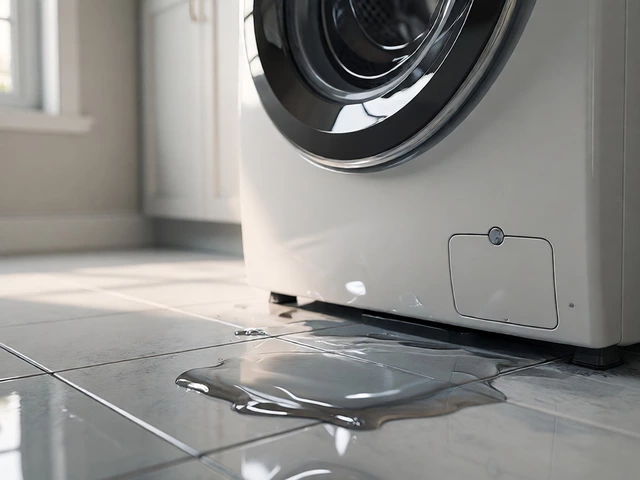
| Water leaking from bottom | Corroded tank or loose valve | Medium (Electrical Short) |
| Breaker trips repeatedly | Short circuit in element or ground fault | High (Shock Hazard) |
| Noise (popping/banging) | Sediment buildup overheating elements | Medium (Tank Failure) |
| Discolored water | Anode rod depletion/rust | Low (Quality Issue) |
If the breaker trips again within minutes of resetting, the problem is likely a shorted heating element. Continuing to force power into a shorted circuit can overheat the wiring in your walls, posing a serious fire risk. In these cases, the component needs replacement, not just a reset.
Gas vs. Electric: Does This Apply to Gas Heaters?
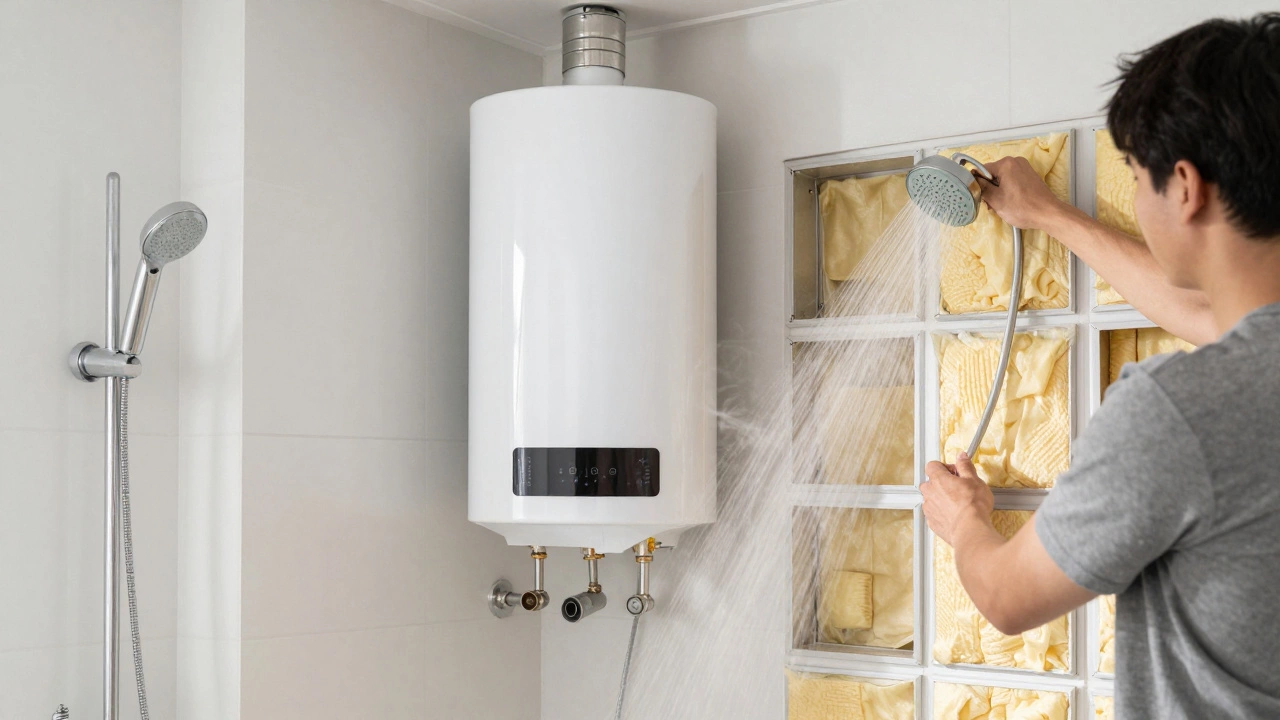
It’s important to distinguish between electric and gas units. If you have a gas water heater, which uses a gas burner ignited by a pilot light or electronic ignition system., the process is different. Gas heaters do not have high-voltage heating elements. However, many modern gas heaters still have an electronic control board or a direct spark igniter that runs on low-voltage electricity (120V).
For gas units, you generally do not need to turn off the main breaker to reset the thermostat or relight the pilot. However, if the issue involves the electronic control board, turning off the dedicated circuit breaker for the water heater is still recommended to prevent surges when restarting. Always shut off the gas supply valve if you smell gas or suspect a leak before doing any work.
Preventing Future Trips: Maintenance Tips
A tripped high-limit switch is often a symptom of neglect. Regular maintenance can keep your water heater running efficiently and safely for years. Here’s what you should do annually:
- Flush the Tank: Sediment buildup at the bottom of the tank insulates the heating elements, causing them to overheat. This excess heat triggers the high-limit switch. Draining a few gallons from the drain valve once a year removes this sediment.
- Check the Temperature Setting: Ensure the thermostat is set to 120°F (49°C). Higher settings increase energy costs and the likelihood of scale buildup and scalding risks.
- Inspect the Anode Rod: This sacrificial rod protects the tank from corrosion. If it’s depleted, the tank itself starts to rust, leading to leaks and potential electrical shorts.
- Test the T&P Valve: The Temperature and Pressure relief valve prevents explosions from excessive pressure. Lift the lever briefly to ensure it discharges water freely. If it doesn’t, replace it immediately.
By keeping the tank clean and the settings correct, you reduce the thermal stress on the elements and thermostats, significantly lowering the chance of the high-limit switch tripping unexpectedly.
Can I reset the water heater without turning off the breaker?
No, you should never reset an electric water heater without turning off the breaker first. Accessing the reset button requires removing panels that expose live 240-volt wiring. Doing so poses a severe risk of electric shock or electrocution. Always isolate the power source before opening any electrical appliance.
What does the red reset button on a water heater do?
The red button is the manual reset for the high-limit switch (or ECO switch). It cuts power to the heating elements if the water temperature exceeds safe limits, usually around 150°F. Pressing it restores power only after the unit has cooled down and the underlying issue has been addressed.
Why did my water heater breaker trip?
A tripped breaker can indicate several issues: a short circuit in a heating element, a ground fault due to moisture, a malfunctioning thermostat sending continuous power, or simply an overloaded circuit. If it trips repeatedly, it suggests a persistent electrical fault that requires professional diagnosis.
How long does it take for a water heater to heat up after resetting?
After resetting and restoring power, it typically takes 30 to 60 minutes for the water to reach the desired temperature, depending on the tank size and the initial water temperature. Larger tanks (50+ gallons) may take longer. You can speed up the process slightly by setting the thermostat higher temporarily, but always return it to 120°F for safety.
Is it safe to touch the water heater while it's running?
The exterior metal casing of a properly grounded water heater should be cool to the touch. However, the pipes carrying hot water will be hot. Never touch the internal components or wiring unless the power is completely disconnected at the breaker. If the casing feels warm or vibrates excessively, there may be an insulation or installation issue.