Gas Stove Repair: Common Issues, Fixes, and When to Call a Pro
When your gas stove, a kitchen appliance that uses natural gas or propane to generate heat for cooking. Also known as a gas range, it stops working, it’s not just an inconvenience—it can throw off your whole day. Unlike electric ovens, gas stoves rely on a delicate balance of gas flow, spark ignition, and airflow. A faulty pilot light, a small, continuously burning flame that ignites the main burner in older gas stoves, a clogged gas burner port, the tiny openings around the burner where gas exits to create the flame, or a failed ignition system, the electronic component that sparks to light the gas when you turn the knob can all leave you without a working stove. These aren’t just random failures—they’re common wear points in gas appliances that show up after years of daily use.
Many people assume gas stoves are simple and don’t need maintenance, but that’s not true. Dust, grease, and food debris build up over time and block gas flow. If your burner lights unevenly, flickers, or won’t light at all, it’s likely a clog. A weak or absent pilot light often means a dirty thermocouple—the safety sensor that tells the gas valve to stay open only when the flame is lit. If the thermocouple is coated in grime or bent out of position, the stove shuts off gas to prevent a leak. And if you hear clicking but no spark, the ignition module or electrode might be worn out. These aren’t hard fixes, but they require the right tools and a basic understanding of gas safety. You don’t need to be a technician to check a pilot light or clean a burner, but you do need to know when to stop and call someone who is.
Some problems aren’t DIY-friendly. If you smell gas when the stove is off, that’s a serious warning. Gas leaks can come from cracked hoses, loose fittings, or corrosion in the gas line. These aren’t things to test with a lighter or try to tighten yourself. Even if the smell fades, the source could still be there. Also, if your stove’s control panel is unresponsive or shows error codes, it could be a failed electronic control board—something that’s expensive to replace and risky to guess at. Most gas stove repairs fall into two categories: simple cleaning and adjustment, or component replacement. Cleaning a burner or relighting a pilot takes minutes. Replacing a thermocouple or ignition switch takes an hour or two. But if your stove is over 10 years old and you’re replacing multiple parts, it’s often cheaper and safer to replace the whole unit.
The posts below cover real-world fixes you can try, from checking your pilot light to diagnosing why your gas stove won’t ignite. You’ll find step-by-step checks for common failures, safety tips to avoid gas hazards, and clear signs that it’s time to call in a pro. Whether you’re dealing with a single burner that won’t light or a stove that won’t turn on at all, there’s a guide here that matches your issue. No fluff. No theory. Just what actually works when your gas stove quits.
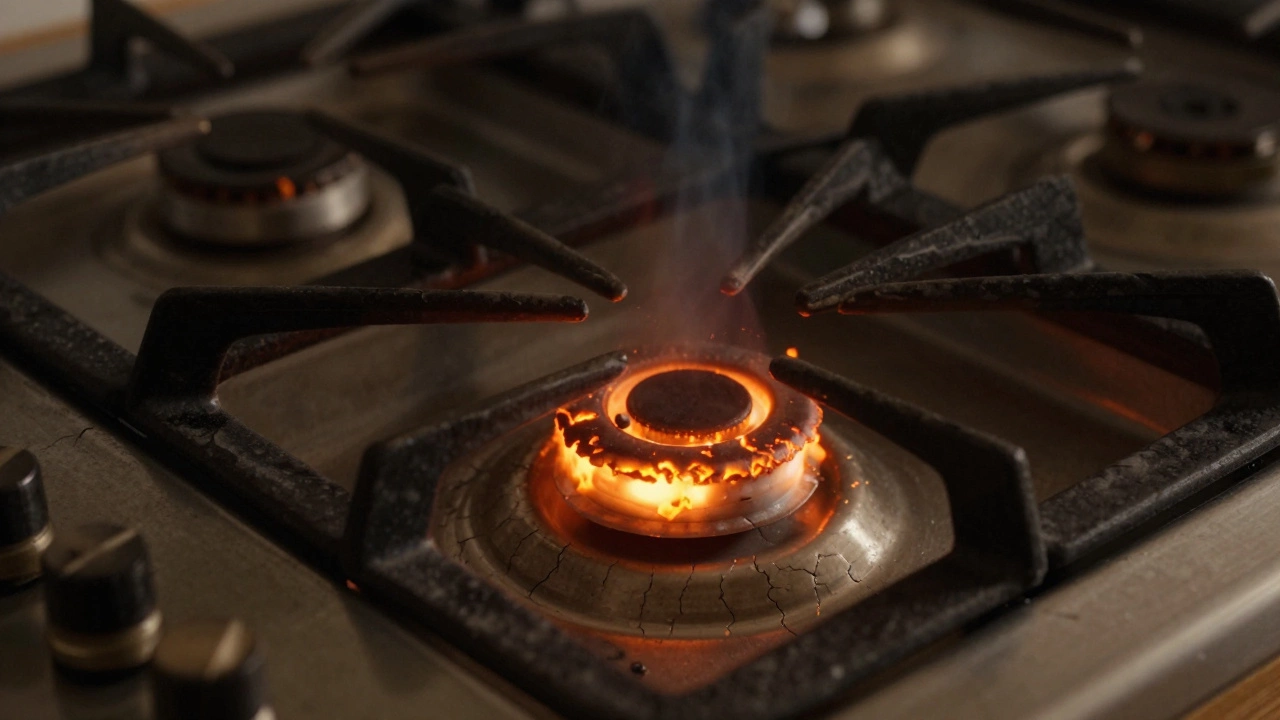
What Are the Symptoms of a Bad Gas Oven Igniter?
- Alden Wilder
- Jan 8 2026
- 0 Comments
If your gas oven won't light or takes too long to ignite, a bad igniter is likely the cause. Learn the key symptoms-gas smell, slow lighting, flame going out-and how to fix it safely.
View More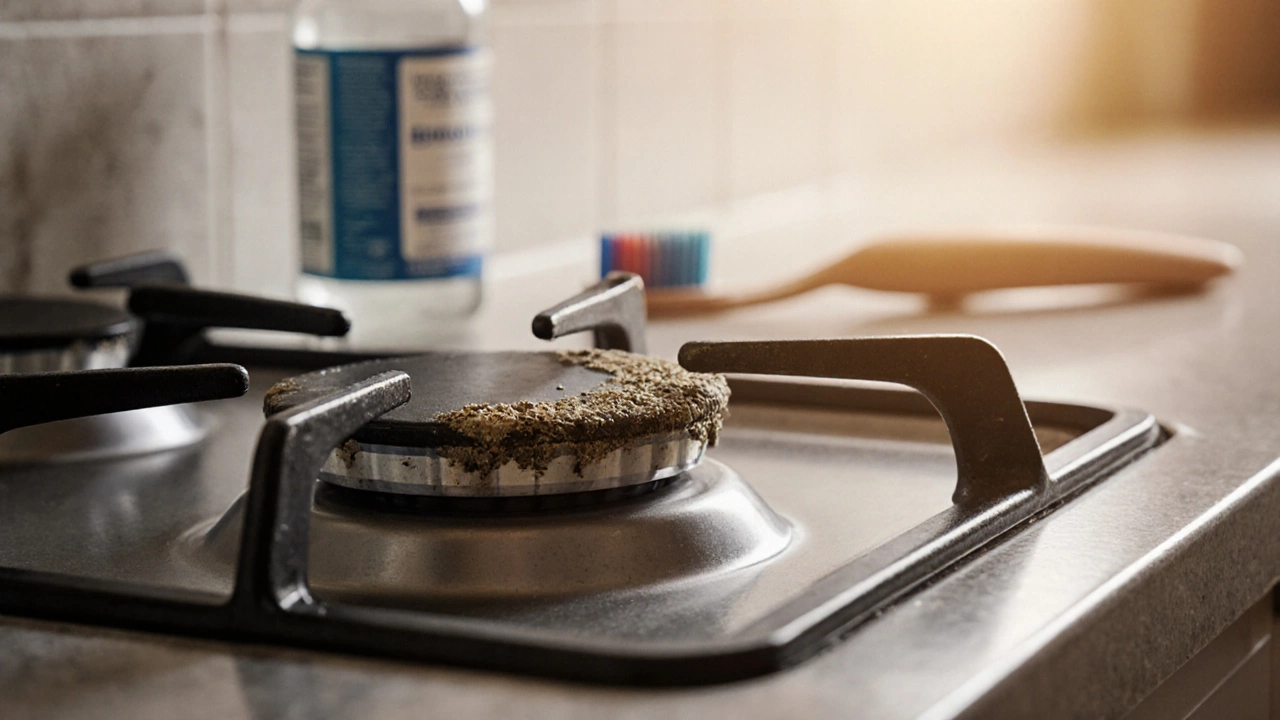
Why Do Gas Hobs Stop Working? Common Causes and Quick Fixes
- Alden Wilder
- Nov 17 2025
- 0 Comments
Gas hobs stop working for simple reasons like clogged burners, dirty igniters, or faulty thermocouples. Most issues can be fixed at home with basic tools. Learn the top causes and how to fix them safely.
View More-
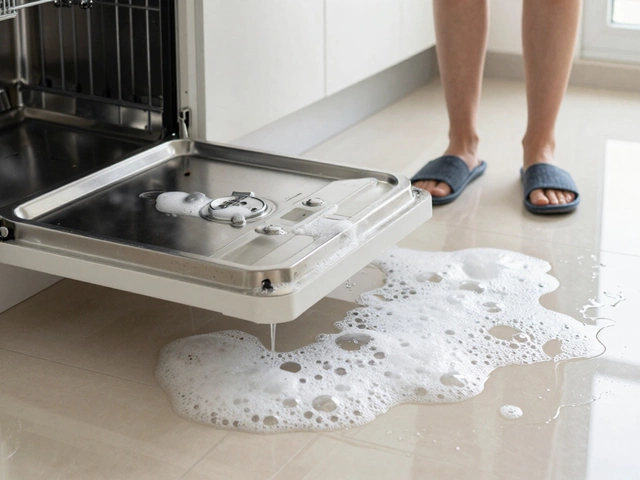
Is it Worth Repairing a 4-Year-Old Dishwasher? Cost vs. Replacement Guide
Apr 6, 2026 -
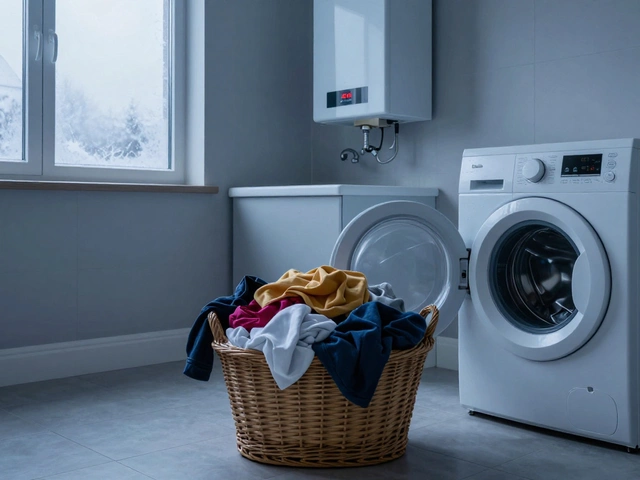
Can You Use a Washing Machine With a Broken Boiler?
Apr 4, 2026 -

Is it Safe to Take Your Laptop to a Repair Shop? How to Protect Your Data
Apr 5, 2026 -
Replacing a Gas Hob: Do You Need a Certified Gas Engineer?
Apr 12, 2026 -
Oven Element vs. Thermostat: How to Tell Which One is Broken
Apr 9, 2026