Gas Hob Safety: Essential Tips to Prevent Accidents and Keep Your Kitchen Safe
When you turn on your gas hob, a kitchen appliance that uses natural gas or propane to generate flame for cooking. Also known as a gas stove, it’s one of the most powerful tools in your home—but also one of the most dangerous if ignored. Unlike electric cooktops, gas hobs rely on open flames and pressurized gas lines. That means a small leak, a clogged burner, or a faulty igniter can turn your kitchen into a hazard zone. Most people don’t think about gas hob safety until something goes wrong. By then, it’s often too late.
Gas hob safety starts with understanding what can go wrong. A gas leak, an unintended release of flammable gas from pipes, valves, or connections is the biggest risk. You might smell rotten eggs—that’s the added odorant—but sometimes leaks are silent. A faulty thermocouple, a safety device that shuts off gas if the flame goes out can fail without warning, letting gas build up even when the hob looks off. And if your burners are clogged with grease or food debris, the flame won’t burn cleanly. That’s when carbon monoxide forms—a colorless, odorless killer. Regular cleaning isn’t just about performance; it’s a lifesaver.
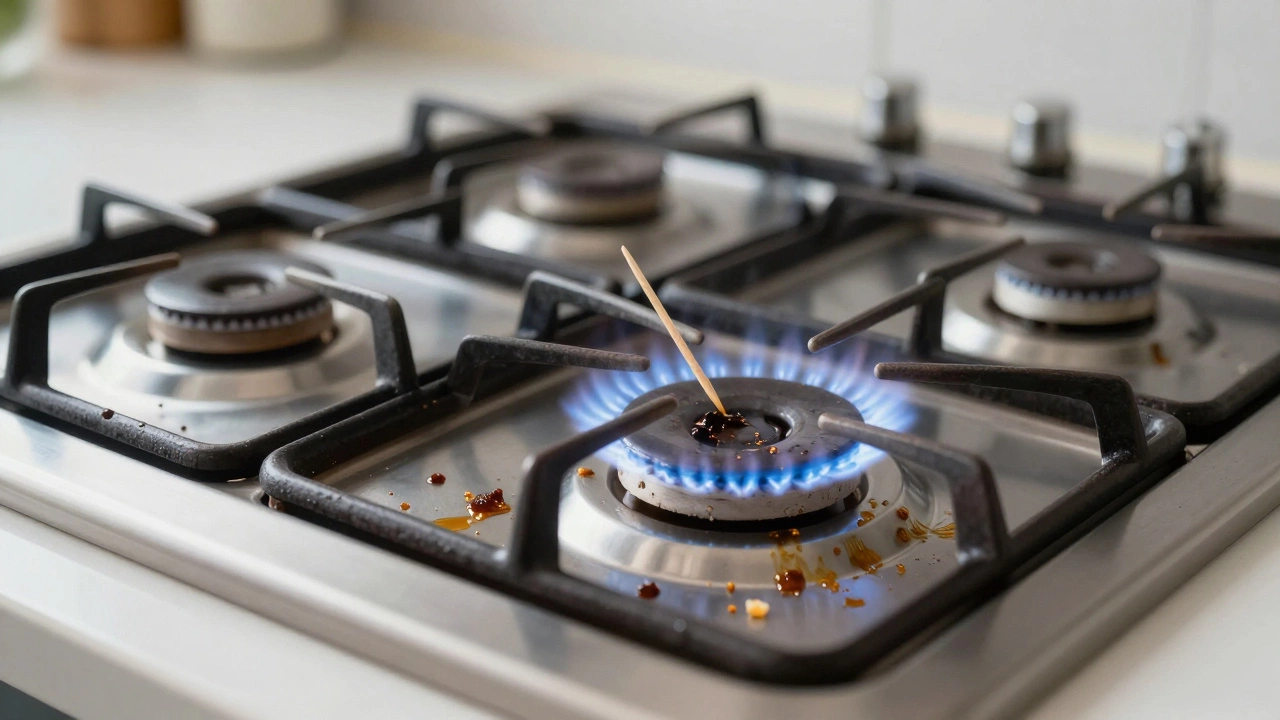
Many homeowners think they can ignore gas hobs until they stop working. But that’s like ignoring a smoke detector until the alarm goes off. If your gas hob takes longer to light, the flame turns yellow instead of blue, or you hear a hissing sound near the pipes, don’t wait. These aren’t just repair issues—they’re red flags. The same posts you’ll find below cover exactly these problems: why gas hobs stop working, how to spot a failing igniter, and what to do when the flame won’t stay lit. You’ll also find real advice on checking for leaks, cleaning burners safely, and knowing when to call a professional instead of trying a DIY fix.
Gas hob safety isn’t about fear. It’s about awareness. A well-maintained gas hob is efficient, reliable, and safe. A neglected one? It’s a ticking time bomb. The fixes aren’t complicated, but they need to be done right. Whether you’re dealing with a stubborn burner, a strange smell, or just want to make sure your family is protected, the guides below give you the facts—no fluff, no jargon, just what actually matters.
Can a Gas Hob Be Repaired? What You Need to Know Before Calling a Pro
- Alden Wilder
- Dec 4 2025
- 0 Comments
Can a gas hob be repaired? Yes-often for under $300. Learn when to fix it yourself, when to call a pro, and how to avoid dangerous mistakes. Save money and stay safe.
View More