Extractor Fan Maintenance Cost Calculator
Usage Details
Enter your fan details to see personalized maintenance recommendations and cost savings.
That hum in your kitchen or bathroom isn’t just background noise. It’s the sound of air moving moisture, grease, and odors out of your home. But what happens when that airflow slows down? You might not notice it until the steam from a shower fogs up every mirror in the house, or until the smell of burnt toast lingers for hours after dinner. The question on many homeowners' minds is simple: should extractor fans be serviced? The short answer is yes. Without regular attention, these units lose efficiency, consume more energy, and can even become fire hazards.
We often treat extractor fans like set-it-and-forget-it appliances. We install them, turn them on when needed, and hope they last forever. But unlike a refrigerator or a washing machine, an extractor fan deals directly with airborne particles-grease in the kitchen and mold spores in the bathroom. These particles accumulate over time, clogging filters and weighing down motor bearings. Ignoring this buildup doesn’t just reduce performance; it shortens the lifespan of the unit significantly.
The Hidden Cost of Neglecting Your Ventilation System
When you skip servicing your extractor fan, you aren’t saving money. You’re borrowing against future costs. A dirty fan has to work harder to move the same amount of air. This increased strain puts extra load on the electric motor, leading to higher electricity bills and premature wear on internal components.
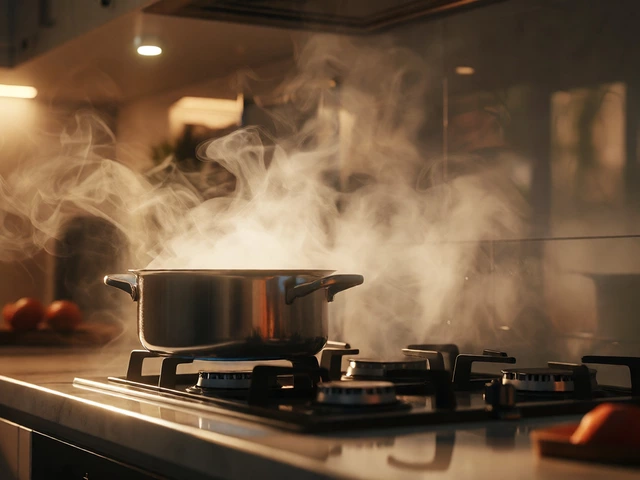
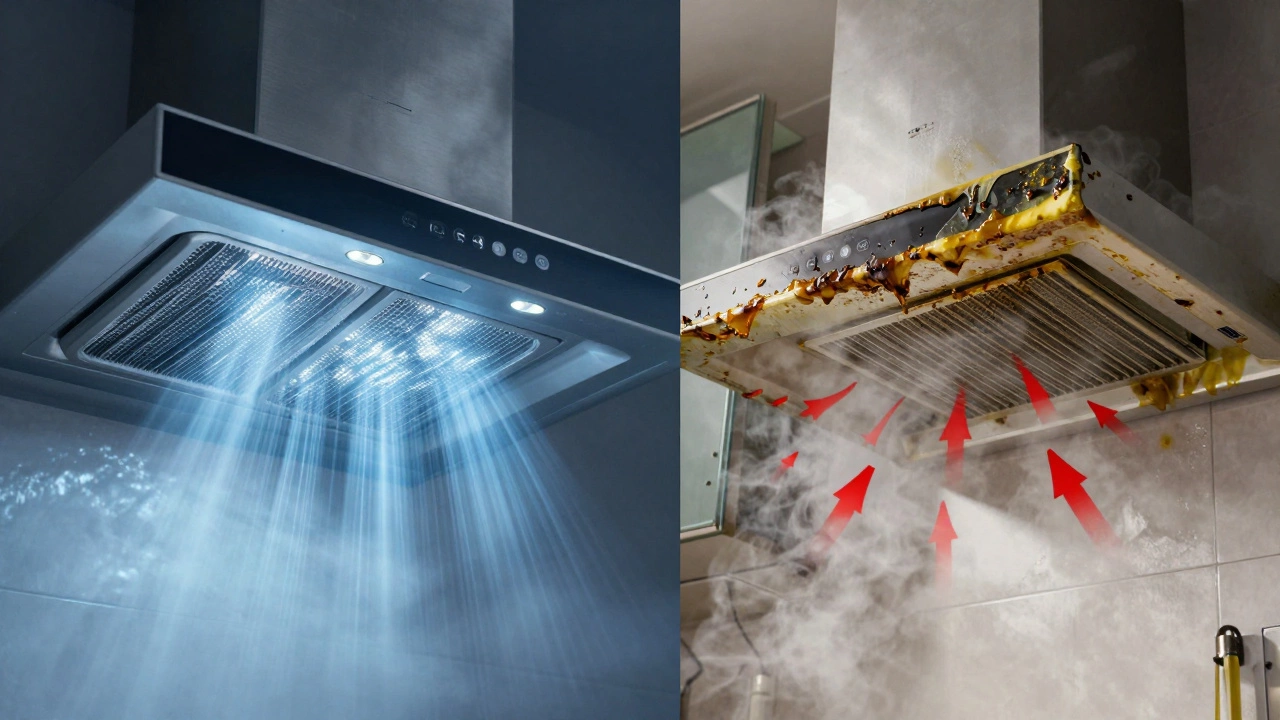
In kitchens, the primary enemy is grease. Cooking oils vaporize and stick to the metal blades and housing of the fan. Over months, this layer thickens. It becomes heavy, unbalancing the rotor. An unbalanced rotor causes vibration, which leads to noisy operation and eventual bearing failure. In bathrooms, the issue is moisture and lint. Hair, soap scum, and dust create a sludge that blocks airflow. If the fan can’t push air out effectively, humidity stays trapped in the room. This creates the perfect environment for black mold growth on walls and ceilings, which is far more expensive to remediate than a simple fan cleaning.
There is also a safety angle. Grease is flammable. While modern extractor fans are designed with safety features, a heavily coated fan near heat sources poses a risk. Regular removal of combustible materials is not just about cleanliness; it’s about preventing potential ignition points in your home.
How Often Should You Service an Extractor Fan?
There is no single rule that fits every household, but frequency depends largely on usage intensity and location. Here is a practical breakdown based on real-world scenarios:
- Kitchen Range Hoods (Heavy Use): If you cook daily, especially frying or grilling, service the fan every 3 to 6 months. Clean the grease filters monthly.
- Kitchen Range Hoods (Light Use): For occasional cooking, an annual professional service is usually sufficient, provided you rinse the filters every two months.
- Bathroom Exhaust Fans: Service annually. However, if you have a large family or take long, hot showers, consider a mid-year check-up to ensure moisture is being expelled efficiently.
- Ducted vs. Recirculating Systems: Ducted systems that vent outside require duct cleaning as part of the service. Recirculating systems (which use charcoal filters) need filter replacements every 3-6 months, but the fan itself still needs mechanical servicing annually.
Living in a coastal area like Vancouver adds another variable. Salt air accelerates corrosion on metal parts. If you live near the ocean, inspect your external vent caps and internal fan housings twice a year for signs of rust or salt buildup.
Signs Your Extractor Fan Needs Immediate Attention
You don’t always need a calendar to tell you when something is wrong. Your senses will often alert you first. Pay attention to these specific indicators:
- Noise Changes: A healthy fan runs with a consistent, low hum. If you hear grinding, rattling, or squealing, the bearings may be dry or damaged. Squealing often indicates a loose belt in larger industrial-style hoods, while grinding suggests debris is hitting the blades.
- Reduced Airflow: Hold a piece of tissue paper near the vent grille while the fan is running. If the tissue falls off or barely flutters, the airflow is compromised. This could mean clogged filters, a blocked duct, or a failing motor.
- Persistent Odors: If smells linger after you’ve cooked or showered, the fan isn’t moving enough air to clear the contaminants. This is a classic sign of a clogged system.
- Visible Grease or Dust: Look at the exterior of the fan and the surrounding area. If you see a sticky film of grease dripping from the hood or thick layers of dust around the bathroom vent, the internal components are likely worse.
- Lights Flickering or Failing: Many range hoods have integrated lighting. If the lights flicker or burn out frequently, it could indicate electrical issues within the fan’s control board or wiring, which requires professional inspection.
DIY Maintenance vs. Professional Servicing
Not every task requires a technician. In fact, some maintenance steps should be done by you regularly to keep the fan running smoothly between professional visits. Understanding the difference saves you money and prevents unnecessary service calls.
| Task Type | Who Does It | Frequency | Details |
|---|---|---|---|
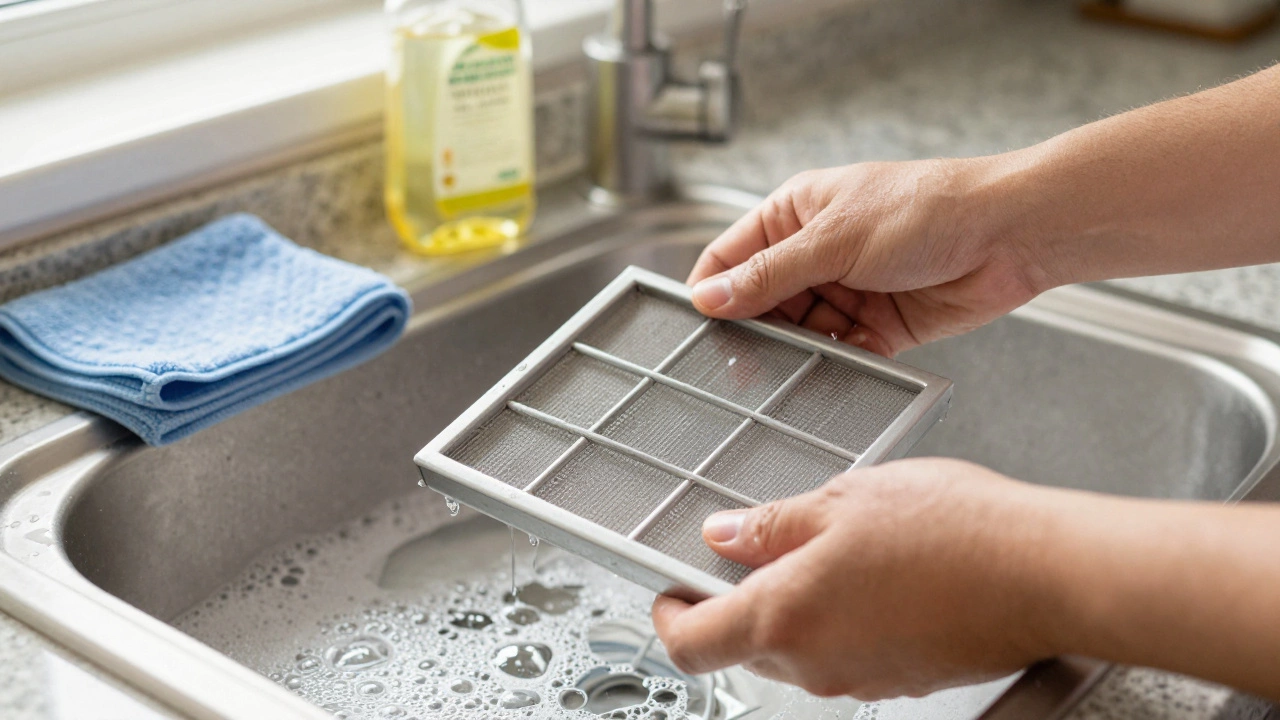
| Cleaning Grease Filters | Homeowner | Monthly | Soak in warm soapy water or dishwasher-safe detergent. Rinse and dry completely before reinstalling. |
| Replacing Charcoal Filters | Homeowner | Every 3-6 Months | Charcoal filters cannot be cleaned. They must be replaced to maintain odor absorption in recirculating models. |
| Wiping Exterior Surfaces | Homeowner | Weekly | Use a non-abrasive cleaner to remove surface grease and fingerprints. Prevents buildup on vents. |
| Motor Bearing Lubrication | Professional | Annually | Requires disassembly. Technicians apply high-temperature lubricant to reduce friction and noise. |
| Duct Cleaning | Professional | Every 1-2 Years | Removes accumulated grease and dust from the exhaust pipe. Essential for preventing backdrafts and fires. |
| Electrical Inspection | Professional | As Needed | Checks for frayed wires, loose connections, and capacitor health. Critical for safety. |
For DIY tasks, avoid using harsh chemicals like bleach on aluminum filters, as they can corrode the metal. Stick to mild dish soap and warm water. When wiping down the fan housing, ensure the power is disconnected to avoid any accidental activation.
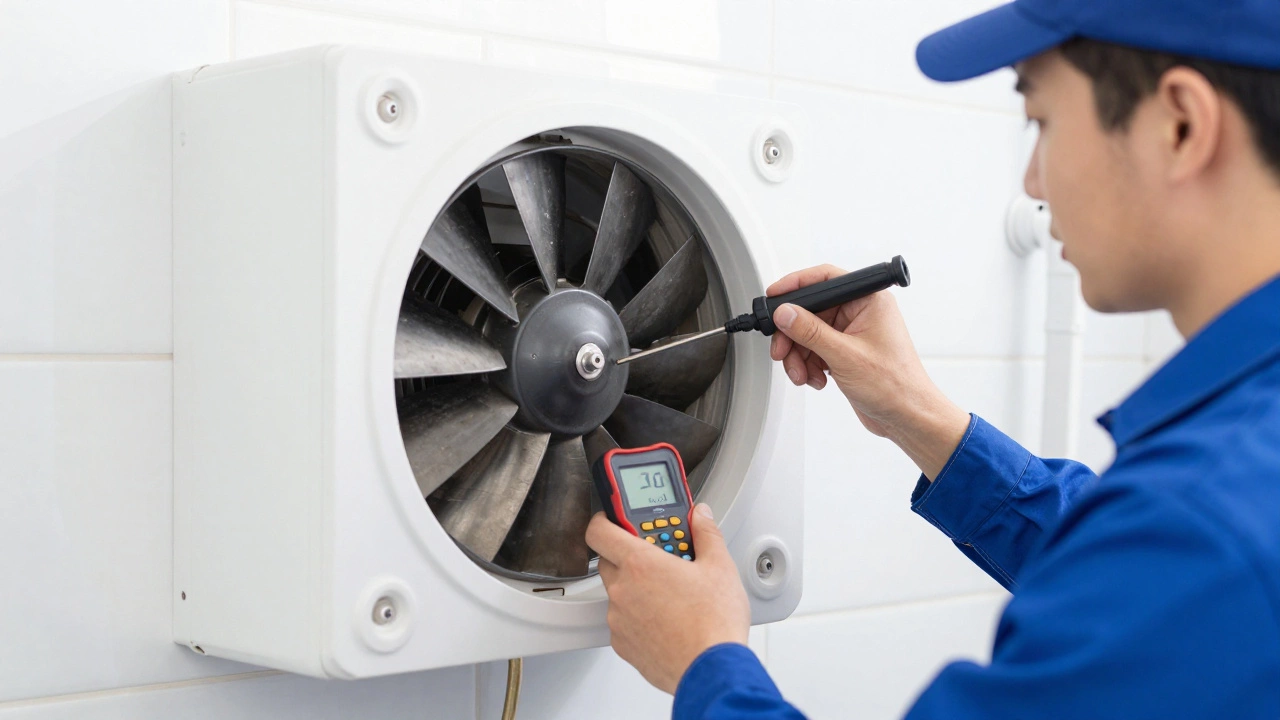
Professional servicing goes deeper. A technician will disassemble the fan shroud to clean the impeller blades-the actual spinning part that moves air. These blades are hard to reach and accumulate the thickest grease. They will also check the motor capacitors, which help start the motor. A weak capacitor makes the fan struggle to spin up, causing overheating. Replacing a $20 capacitor is much cheaper than replacing a $300 motor burned out by strain.
Common Mistakes Homeowners Make
Even well-intentioned owners can damage their extractor fans through improper care. Here are the most common pitfalls to avoid:
- Using High-Pressure Steam Cleaners: While tempting, high-pressure steam can force water into the motor housing. Motors are not waterproof. Moisture inside the motor casing leads to short circuits and immediate failure. Always hand-wash components.
- Ignoring the External Vent Cap: The flap on the outside of your house can get stuck open due to wind or debris. This allows cold air, rain, and pests to enter your ductwork. Check the exterior cap seasonally to ensure it closes tightly when the fan is off.
- Over-Tightening Filter Screws: When reinstalling filters after cleaning, don’t crank down screws too hard. Stripped threads make it difficult to remove filters next time, and overtightening can warp the frame, creating gaps where air leaks.
- Running the Fan Without Filters: Never run a range hood without its grease filters installed. Even if they are dirty, they catch large particles. Running without them sends grease directly onto the motor and blades, accelerating wear and increasing fire risk.
Cost Considerations: Is Servicing Worth It?
Let’s talk numbers. A professional service call for an extractor fan typically ranges from $80 to $150, depending on complexity and location. A full replacement of a quality range hood can cost anywhere from $300 to over $1,000, plus installation fees. Bathroom fans are cheaper, ranging from $50 to $200 for the unit, but installation involves drywall work and electrical wiring, adding labor costs.
If you spend $100 a year on servicing, you extend the life of a $500 fan by 5-7 years. That’s less than $20 a year in maintenance. Compare that to the cost of emergency repairs, such as a blown motor ($150-$250) or mold remediation ($1,000+), and the value becomes clear. Servicing is an insurance policy against catastrophic failure.
Additionally, efficient fans use less electricity. A clogged fan might draw 10-20% more power to achieve the same airflow. Over a year, this adds up on your utility bill. Cleanliness equals efficiency.
Choosing the Right Service Provider
Not all handyman services are equipped to handle extractor fans properly. Look for specialists who understand ventilation systems. Ask these questions before hiring:
- Do you clean the internal impeller blades, or just the exterior?
- Do you test the airflow with an anemometer (a device that measures air speed)?
- Are you licensed and insured? (Crucial for electrical work and liability)
- Do you offer a warranty on the service?
A reputable provider will explain what they found during the inspection. They shouldn’t just say “it’s fixed.” They should point out worn belts, dirty ducts, or aging capacitors. Transparency builds trust and helps you plan future maintenance.
Future-Proofing Your Ventilation
As homes become more airtight to save energy, ventilation becomes even more critical. Modern building codes emphasize balanced ventilation to prevent indoor air quality issues. If you are renovating, consider upgrading to a smart extractor fan. These units connect to Wi-Fi and can adjust speed based on humidity sensors or air quality monitors. Some even notify you when filters need changing.
While smart features are convenient, they don’t eliminate the need for physical cleaning. Grease and dust still accumulate. Think of technology as a helper, not a replacement for basic hygiene. The best strategy combines modern tools with disciplined, regular maintenance routines.
Can I clean my extractor fan myself?
Yes, you can perform basic maintenance yourself. This includes removing and washing grease filters, wiping down the exterior, and replacing charcoal filters. However, deep cleaning of the internal motor and blades, as well as electrical inspections, should be left to professionals to avoid voiding warranties or causing damage.
How much does it cost to service an extractor fan?
Professional servicing typically costs between $80 and $150. This varies based on the type of fan (kitchen vs. bathroom), accessibility, and whether duct cleaning is required. Regular DIY maintenance can reduce the frequency of costly professional visits.
What happens if I don't service my extractor fan?
Neglecting service leads to reduced airflow, higher energy bills, increased noise, and potential motor failure. In kitchens, grease buildup poses a fire hazard. In bathrooms, poor ventilation promotes mold growth, which can damage your home and affect health.
How often should kitchen range hood filters be cleaned?
Grease filters should be cleaned monthly if you cook frequently. For light users, every two months may suffice. Charcoal filters in recirculating models cannot be cleaned and should be replaced every 3 to 6 months.
Is it better to repair or replace an old extractor fan?
If the fan is under 10 years old and the issue is minor (like a bad capacitor or clogged duct), repair is usually cost-effective. If the motor is burnt out, the unit is very noisy, or it’s over 15 years old, replacement is often the smarter financial choice due to improved efficiency and technology in newer models.