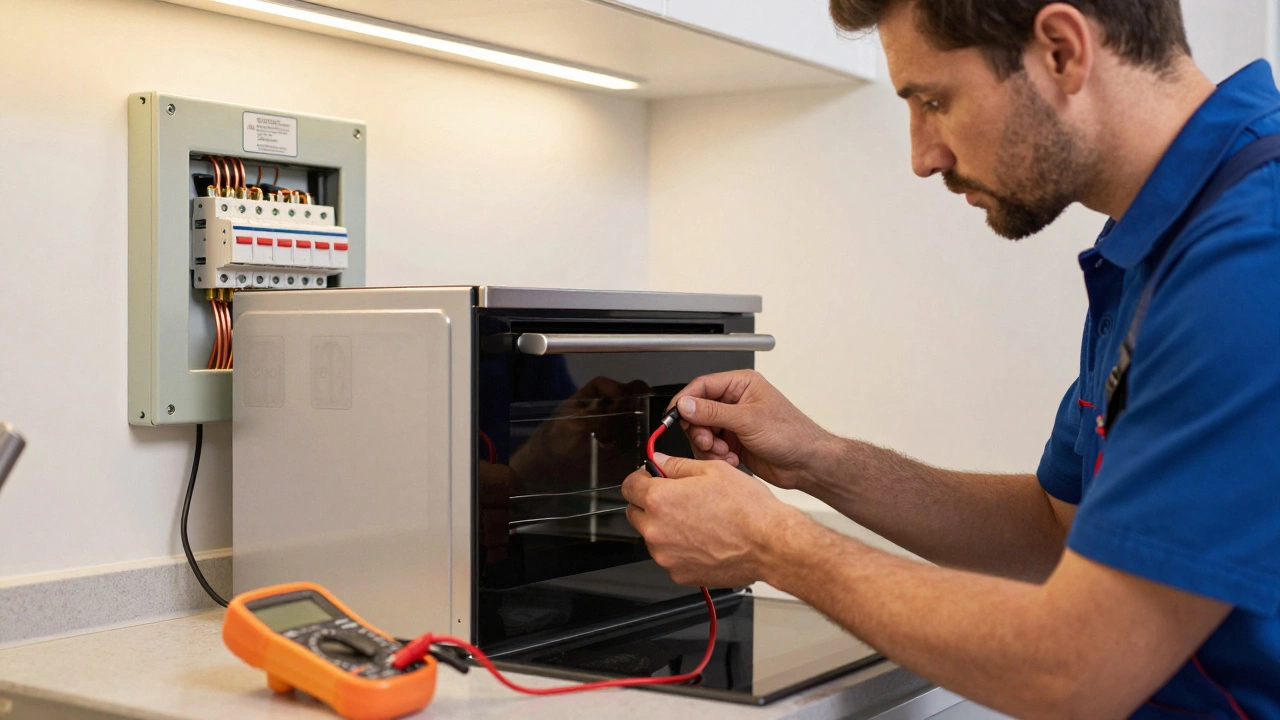
Replacing an electric oven isn’t like swapping out a light bulb. Even if you’re handy with tools, you can’t just unplug it, roll in the new one, and call it done. The biggest question people ask is: Do you need an electrician to replace an electric oven? The short answer? Yes, almost always. And here’s why.
Electric ovens aren’t plug-and-play appliances
Most people assume all kitchen appliances work the same way. A toaster? Plug it in. A coffee maker? Same thing. But electric ovens are different. They don’t run on a standard 120-volt outlet. They need a dedicated 240-volt circuit, usually with a special four-prong outlet buried behind the oven cavity. That’s not something you find in a typical bedroom or living room. It’s wired specifically for high-power appliances.
If your old oven was hardwired-meaning the wires were connected directly to your home’s electrical panel-you absolutely cannot just disconnect it and hook up the new one yourself. Even if your new oven comes with a plug, your wall outlet might not match. Older homes often have three-prong outlets, while newer ovens require four-prong. Mixing them up isn’t just unsafe-it’s against the Canadian Electrical Code.
What happens if you try to do it yourself?
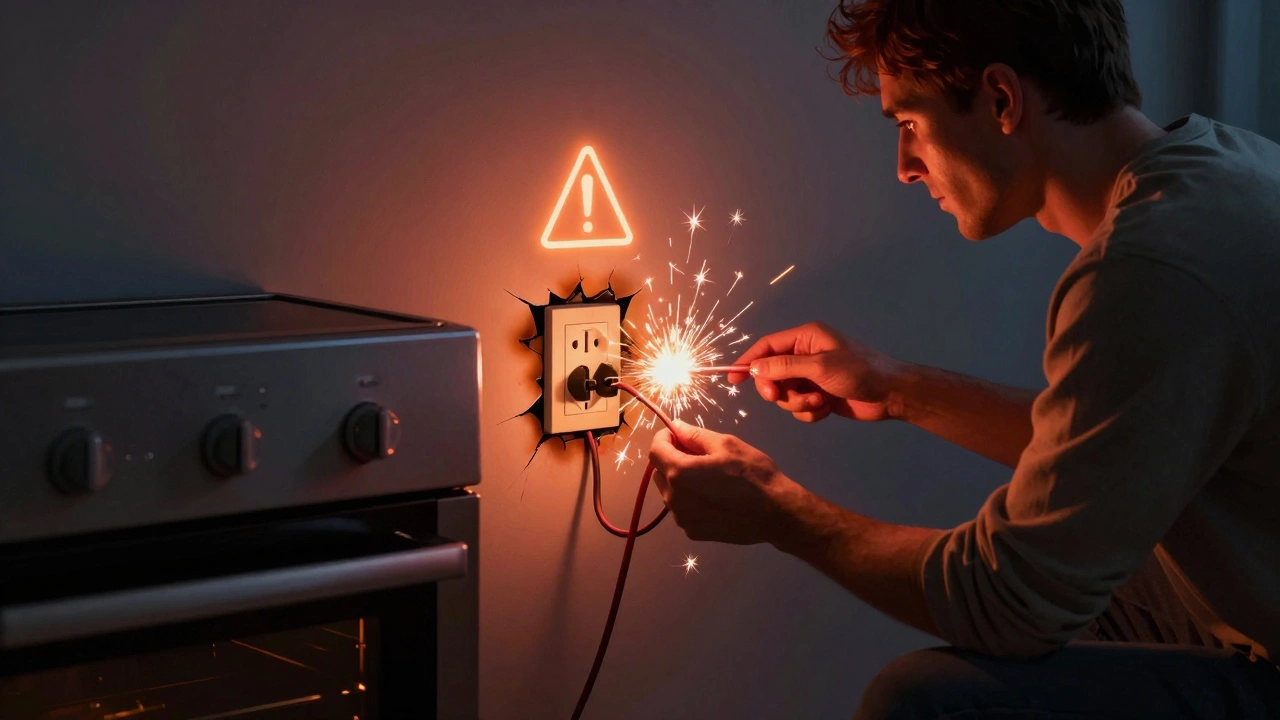
Some homeowners think, “I’ve changed a light switch. How hard can this be?” But replacing an oven involves more than just moving wires. You’re dealing with live circuits that carry enough power to start a fire or kill you. A single mistake-like reversing the hot wires, grounding incorrectly, or overloading the circuit-can fry your new oven, damage your home’s wiring, or trigger a breaker that won’t reset until an electrician fixes it.
In Vancouver, electrical inspections are common during home sales or renovations. If an inspector finds an improperly installed oven, you’ll be forced to pay for a licensed electrician to fix it anyway. And you’ll likely pay more than if you’d hired one from the start.
There’s also insurance to consider. If a fire starts because of a DIY oven installation, your homeowner’s insurance might deny the claim. Most policies require work to be done by licensed professionals when it involves permanent electrical modifications.
What does an electrician actually do during an oven replacement?
An electrician doesn’t just plug in the oven. They do a full safety check:
- Verify the circuit breaker is rated for the oven’s amperage (usually 30-50 amps)
- Check the wiring gauge-10-gauge or 8-gauge copper is typical, not the 14-gauge used for lights
- Confirm the outlet matches the oven’s plug type (NEMA 6-50 or 14-50)
- Test for proper grounding and neutral bonding
- Ensure the circuit isn’t shared with other high-draw appliances like a dryer or air conditioner
- Label the breaker clearly so future homeowners know what it controls
They also check your home’s panel capacity. If your electrical service is outdated-say, a 60-amp or 100-amp panel-you might need an upgrade before the oven can be safely installed. That’s something a homeowner rarely knows to look for.
When might you not need an electrician?
There’s one rare exception: if your old oven was already plugged into a dedicated 240-volt outlet, and your new oven uses the exact same plug type, you *might* be able to swap it yourself. But even then, you need to be sure of a few things:
- The outlet is rated for the new oven’s power draw (check the nameplate on the oven-usually listed in amps or watts)
- The circuit isn’t overloaded (no other major appliance on the same breaker)
- The outlet is in good condition-no scorch marks, loose wires, or buzzing sounds
- You’re comfortable turning off the main breaker and testing for live wires with a multimeter
If any of those conditions aren’t met, stop. Call an electrician. It’s not worth the risk.
How much does it cost to hire an electrician for oven replacement?
In Vancouver, hiring a licensed electrician for oven installation typically costs between $150 and $350. That includes:
- Removing the old oven
- Inspecting and upgrading the circuit if needed
- Installing the new oven
- Testing and certifying the connection
- Disposing of the old unit
Some electricians charge extra if your panel needs upgrading or if the wiring is outdated. That could add $500-$1,500, depending on the work. But that’s still less than the cost of a fire, a ruined oven, or a denied insurance claim.
Most appliance stores that sell ovens will also offer installation services. But many of them subcontract the electrical work to local electricians anyway. You’re better off hiring the electrician directly-you get a direct warranty, a proper receipt, and someone who’s accountable if something goes wrong.
What to look for in an electrician
Not all electricians are the same. Here’s what to check before hiring one:
- Valid license from the Technical Safety BC (mandatory in BC)
- Proof of liability insurance
- Experience with appliance installations-not just lighting or outlets
- Clear, written quote before work starts
- Warranty on labor (at least 1 year)
A good electrician will ask you questions about your old oven, your home’s age, and your panel type. If they don’t ask, that’s a red flag.
Why this matters beyond just safety
Electric ovens are one of the most powerful appliances in your home. They draw more current than your refrigerator, dishwasher, and microwave combined. That’s why they’re wired separately. Cutting corners here doesn’t just risk your safety-it can affect your whole home’s electrical balance.
Older homes in Vancouver, especially those built before 1990, often have outdated wiring or undersized panels. Replacing an oven without checking these systems is like putting a new engine in a car with worn-out brakes. It might seem fine at first, but something’s going to fail.
And if you ever plan to sell your home, a properly installed oven with documentation from a licensed electrician adds value. Buyers and inspectors notice these details. A DIY job? It becomes a liability.
Final advice: Don’t gamble with electricity
Replacing an electric oven isn’t a weekend project. It’s a professional job. Even if you’re skilled with tools, electricity doesn’t care how confident you are. One wrong move can turn your kitchen into a hazard zone.
There’s no shame in calling an electrician. In fact, it’s smart. You’re not just protecting your oven-you’re protecting your family, your home, and your wallet.
Get the right person in. Do it right the first time. And sleep better knowing your oven isn’t a ticking time bomb behind the cabinet door.
Can I replace my electric oven without turning off the breaker?
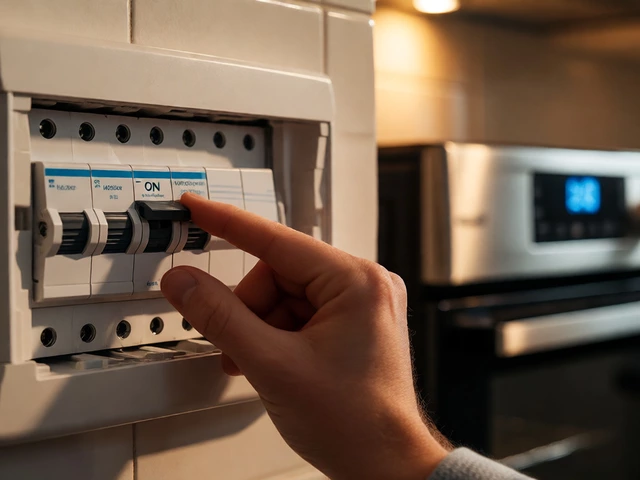
No. Always turn off the main breaker before working on any electrical appliance. Even if the oven is unplugged, the wires behind it may still be live. Turning off just the oven’s circuit isn’t enough-some panels have shared neutrals or back-feeding risks. Shutting off the main is the only safe way.
What if my new oven has a plug but my outlet is hardwired?
You can’t just cut the plug off and wire it directly unless you’re a licensed electrician. The oven’s manufacturer requires the plug to be used as designed. If your outlet is hardwired, you need an electrician to install a matching outlet or rewire the oven properly. Never modify factory wiring yourself-it voids the warranty and creates a safety hazard.
Is it okay to use an extension cord for my electric oven?
Never. Extension cords are not rated for the continuous high load an electric oven draws. Using one can cause overheating, melting insulation, and fire. Electric ovens must be plugged directly into a dedicated outlet or hardwired. No exceptions.
How do I know if my circuit is 240 volts?
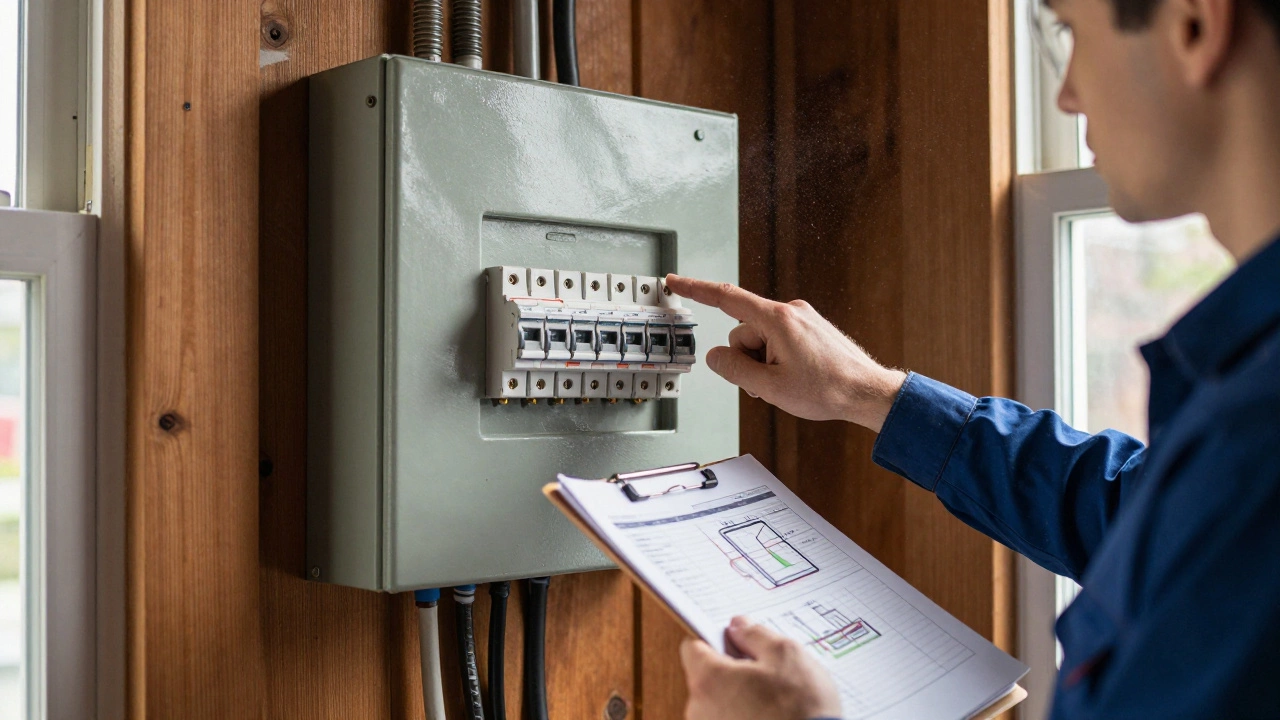
Look at your breaker panel. A 240-volt circuit will have a double-pole breaker that takes up two slots next to each other. It will be labeled 30A, 40A, or 50A. A single-pole breaker (one slot) is 120 volts. If you’re unsure, don’t guess-call an electrician to test it.
Can I install a gas oven instead to avoid electrical work?
Yes, but it’s not simpler. Gas ovens still need a gas line and proper ventilation. You’d need a licensed gas fitter to install it, and you’d have to cap off the old electric circuit. It’s a different kind of professional job, not an easier one. Only switch if you’re planning a full kitchen remodel.
If you’re replacing your oven this winter, plan ahead. Electricians in Vancouver get booked quickly during the holiday season and early spring. Don’t wait until your old oven dies on Christmas Eve. Schedule the install early, get the right professional involved, and enjoy your new oven without worry.