Boiler Longevity Calculator
How Long Will Your Boiler Last?
Based on article research: Well-maintained cast iron boilers can last 50+ years, but modern units typically last 10-15 years. Input your details to estimate your boiler's remaining life.
Most people assume boilers are like light bulbs - they burn out after a decade or two. But walk into an old house in New England or a cottage in Scotland, and you might find a boiler that’s been running since the 1970s. Boiler longevity isn’t magic. It’s maintenance, material, and mindset. So can a boiler last 50 years? The short answer: yes, but not without serious effort.
What Makes a Boiler Last Decades?
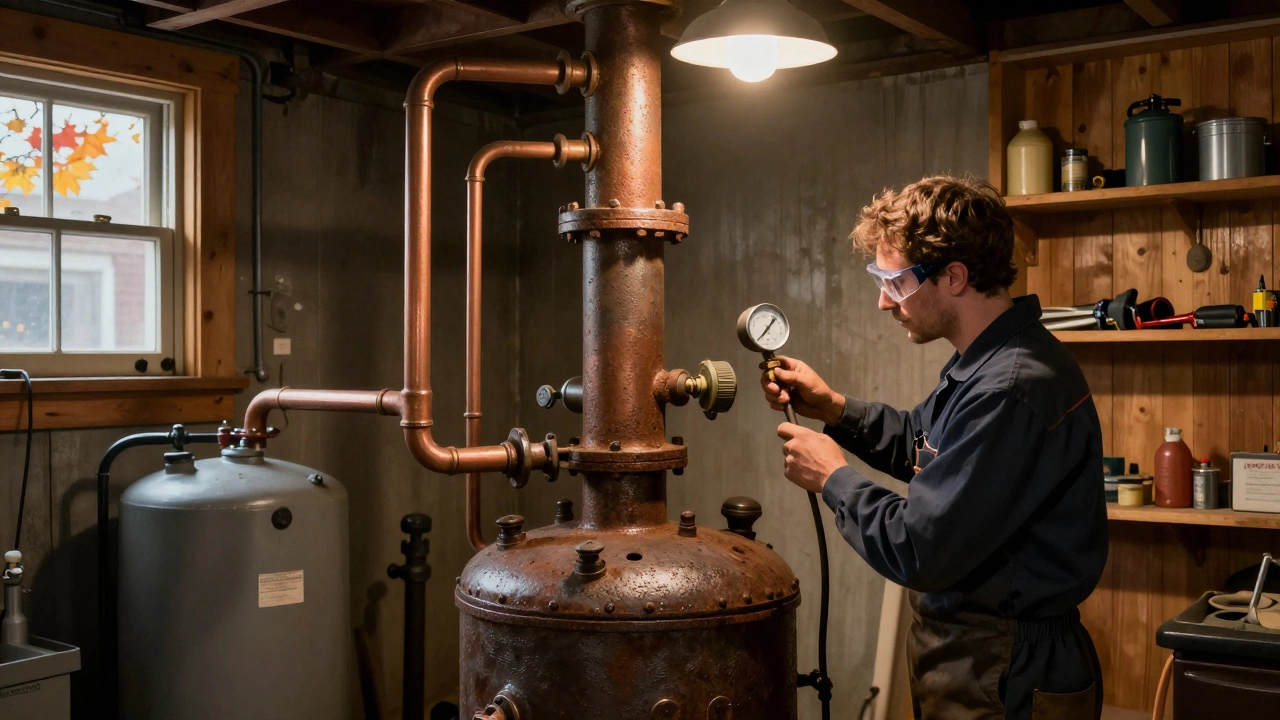
Not all boilers are built the same. Cast iron boilers from the 1950s to 1980s were made with thick, heavy-duty iron and simple, robust designs. They didn’t have fancy electronics, sensors, or digital controls. That simplicity meant fewer parts to break. Brands like Weil-McLain, Burnham, and Viessmann built units that could handle decades of daily use - if they were cared for. Modern boilers, on the other hand, are lighter, more efficient, and packed with technology. But that tech comes at a cost. Circuit boards, pumps, and modulating valves are sensitive. A power surge, a drop in water pressure, or even hard water can kill them in 10 to 15 years. So if you’re hoping for a 50-year run, your best bet is a well-maintained cast iron unit - not the latest condensing model.How Maintenance Keeps Boilers Alive
A boiler that lasts 50 years isn’t one that’s been ignored. It’s one that’s been tended to. Think of it like a classic car. You don’t just park it and hope for the best.- Annual servicing by a licensed technician is non-negotiable. That means checking the heat exchanger for cracks, cleaning the burner, testing safety controls, and inspecting the flue.
- Water quality matters. Hard water builds scale inside pipes and the heat exchanger, reducing efficiency and causing overheating. Installing a water softener or chemical inhibitor can add 10 to 20 years to a boiler’s life.
- Pressure must be stable. If the system loses pressure often, there’s a leak. Ignoring it leads to corrosion and eventual failure.
- Blowdowns - flushing out sediment from the bottom of the boiler - should happen at least once a year. In older systems, sludge can accumulate and block circulation.
Signs Your Boiler Is Past Its Prime
Even the best-maintained boilers eventually wear out. Here’s what to watch for:- Strange noises: Knocking, banging, or gurgling can mean air in the system, sediment buildup, or a failing pump.
- Uneven heating: Some rooms are cold while others are sweltering? That’s often a sign of circulation problems or internal corrosion.
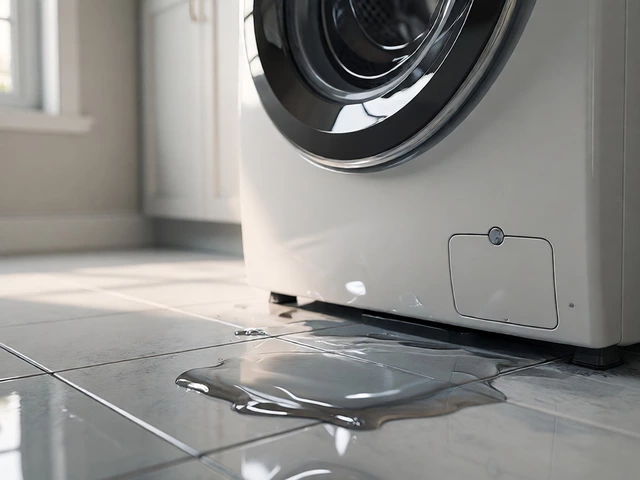
- Rust or leaks: Water pooling around the base isn’t normal. Rust on the casing or pipes means moisture has been getting in for a while.
- High fuel bills: If your heating costs have jumped 30% or more over two years without changing usage, your boiler is struggling.
- Frequent repairs: If you’re calling a technician more than once a year, you’re spending more on repairs than you would on a new unit.

Why Most Boilers Don’t Make It to 50
The average home in the U.S. gets a new boiler every 15 years. Why? Three reasons:- Modern building codes require higher efficiency. Boilers made before 1992 rarely meet today’s 90%+ AFUE standards. Insurance companies and home inspectors often flag them as outdated.
- Parts are gone. A 40-year-old boiler might need a pump or control valve that’s no longer manufactured. You can’t fix what you can’t replace.
- Homeowners get scared. A hissing sound, a flickering pilot light, or a smell of gas makes people panic. They replace it out of fear, not necessity.
Real-World Examples: Boilers That Beat the Odds
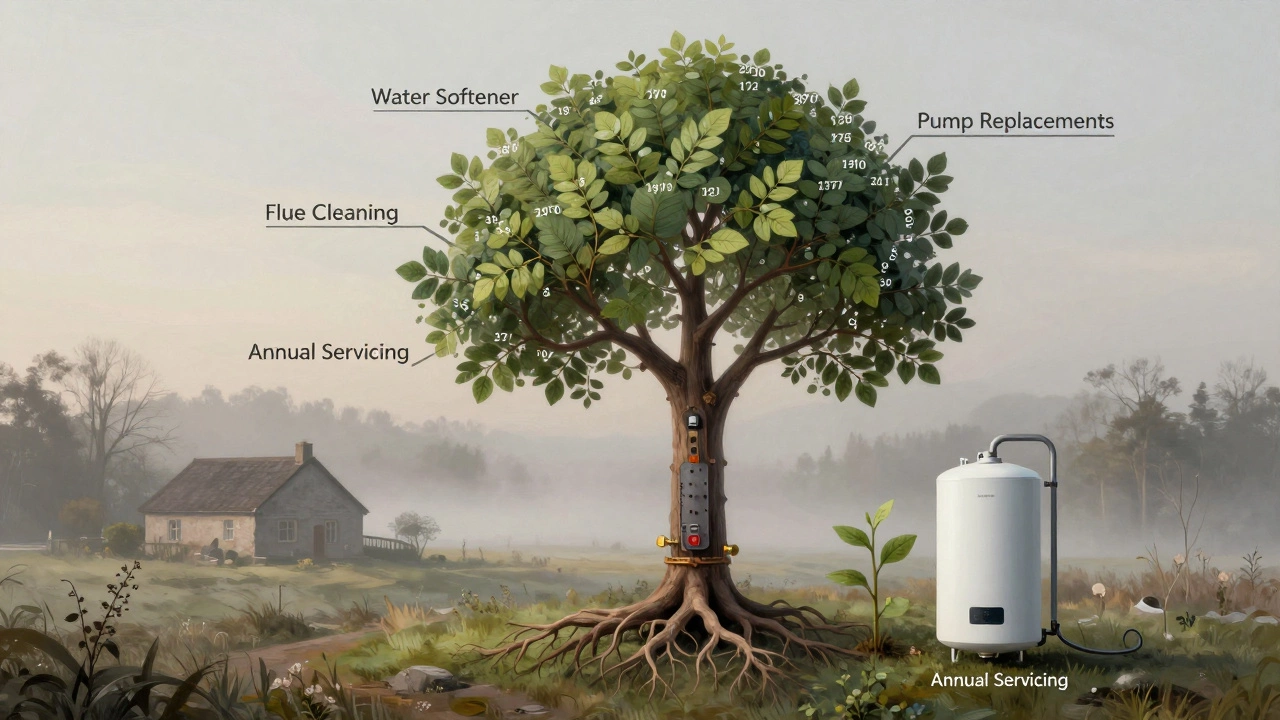
In 2023, a homeowner in Vermont had his 1973 Burnham boiler inspected. It was still firing up every morning. The technician found:- Original copper piping, no corrosion
- Water pH balanced and treated with inhibitor
- Only one pump replacement in 50 years
- Flue cleaned every fall since 1975
When to Replace - Even If It Still Works
There’s a point where keeping an old boiler becomes a gamble. Here’s when to pull the plug:- It uses oil and you’re paying more than $3,000 a year for fuel.
- The manufacturer no longer supports it - no manuals, no parts, no service guides.
- You’ve had three major repairs in five years.
- Your home has multiple leaks, and the boiler is the source.
- You’re planning to sell. Buyers want modern, efficient systems.
How to Extend Your Boiler’s Life - Even If It’s Already 20
It’s never too late to start. Even if your boiler is 25 years old, you can still add another 10 to 15 years.- Install a water softener if you have hard water.
- Upgrade the circulator pump to a modern, variable-speed model. It’s easier on the system.
- Seal any air leaks in the system. Air causes corrosion and noise.
- Use a programmable thermostat. Constant temperature swings stress the boiler.
- Keep the area around the boiler clean and dry. Moisture = rust.
Bottom Line: Yes, But Only If You Earn It
A boiler can last 50 years - but only if you treat it like a partner, not a disposable appliance. Cast iron, clean water, annual care, and patience are the real secrets. Most people replace their boilers because they don’t know how to care for them - not because the boiler is done. If yours is still running strong, don’t panic. Don’t replace it just because it’s old. But if you’re not maintaining it, now’s the time to start. The next 25 years depend on what you do today.Can a boiler really last 50 years?
Yes, but only if it’s a well-made cast iron boiler from the 1950s-1980s and has been maintained annually. Water quality, regular cleaning, and timely part replacements are essential. Most modern boilers won’t last that long due to complex components and lower build quality.
What’s the average lifespan of a modern boiler?
Most modern condensing boilers last 10 to 15 years. Their electronic controls, pumps, and heat exchangers are more prone to failure than the simple, heavy parts of older models. With excellent maintenance, some may reach 20 years, but 25 is rare.
Is it worth repairing a 30-year-old boiler?
It depends. If repairs cost less than $500 a year, the boiler heats your home evenly, and there are no leaks or safety issues, yes - keep it. But if you’re spending $1,000+ annually on repairs or parts are hard to find, replacement is more cost-effective in the long run.
How do I know if my boiler is cast iron?
Cast iron boilers are heavy - often over 300 pounds. They have a dull, gray, rough exterior and are usually made in sections bolted together. Modern boilers are lighter, often made of stainless steel or aluminum, and have smooth, shiny finishes. Check the model number online - manufacturers list the material in the specs.
What’s the most common cause of boiler failure?
Corrosion from poor water quality. Hard water creates scale that traps heat and cracks the heat exchanger. Air in the system causes oxidation. Both are preventable with annual water testing, inhibitors, and proper bleeding of radiators.
Should I replace my old boiler with a modern one?
Only if your current boiler is failing, unsafe, or costing you too much to run. Modern boilers are more efficient, but they’re also more fragile. If your old boiler works and you maintain it, keeping it saves money and reduces waste. Consider upgrading only the parts that need it - like the pump or thermostat - instead of replacing the whole unit.
Boilers aren’t meant to be replaced every decade. They’re meant to be cared for. The ones that last 50 years aren’t lucky - they’re loved.