If your extractor fan has suddenly gone quiet, you’re not alone. It’s one of the most common kitchen problems - especially in older homes or places with heavy cooking. You turn it on, and nothing happens. No hum, no airflow, just silence. That’s not just annoying - it’s a health risk. Without proper ventilation, grease, smoke, and moisture build up, leading to mold, stained ceilings, and even respiratory issues. The good news? Most extractor fan failures are easy to fix without calling a pro.
Check the power first - it’s usually the simplest fix
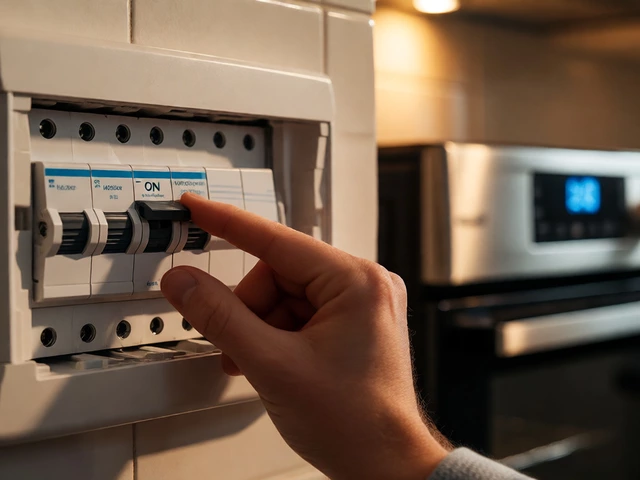
Before you start taking the fan apart, make sure it’s actually getting electricity. Start at the switch. Flip it off and on a few times. Sometimes the contacts wear out and stop making a connection. If the switch feels loose or clicks oddly, that’s a red flag. Next, check the circuit breaker. Go to your electrical panel and look for a tripped breaker labeled "kitchen," "bathroom," or "ventilation." Even if it looks fine, flip it all the way off, then back on. A breaker can trip slightly without looking obviously switched. If it trips again right away, stop. That means there’s a short or overload - don’t keep resetting it. Try plugging a lamp or phone charger into the same outlet. If it doesn’t work, the issue is with the circuit, not the fan. If you have a GFCI outlet nearby (common in kitchens and bathrooms), press the "Reset" button. A tripped GFCI can cut power to the fan even if it’s hardwired.Clean the fan and grease trap - clogs kill performance
Most extractor fans don’t fail because they’re broken. They fail because they’re clogged. Over time, grease, dust, and cooking residue build up on the blades and inside the duct. This makes the motor work harder until it overheats and shuts down. Turn off the power. Remove the grease filter - it’s usually held in place by clips or screws. Soak it in hot, soapy water for 20 minutes. Scrub it with a soft brush. Rinse and dry completely before putting it back. Now, look inside the fan housing. Use a flashlight. You’ll likely see thick, sticky grease coating the blades and the motor housing. Use a degreaser spray (like Simple Green or a kitchen-specific cleaner) and a microfiber cloth. Don’t use water directly on the motor. Wipe away every bit of grime. If the blades are bent or cracked, replace the whole assembly. This alone fixes 60% of "fan not working" complaints. It’s cheap, safe, and takes less than 30 minutes.Listen for humming - that’s the motor trying to start
If you turn the fan on and hear a low hum but no spinning, the motor is getting power but can’t turn. That’s usually a bad capacitor. The capacitor helps the motor start by giving it an extra boost of power. When it fails, the motor can’t overcome the initial resistance. You’ll need to open the fan housing (again, power off). Look for a small, cylindrical component - usually black or silver - connected to the motor wires. It might be taped or clipped in place. If it’s bulging, leaking, or has a cracked casing, it’s dead. Capacitors are cheap - under $10. Take the old one to a hardware store and match the microfarad (µF) rating and voltage (usually 250V or 450V). Swap it out. Reconnect the wires exactly as they were. Test the fan. If it spins up smoothly, you fixed it.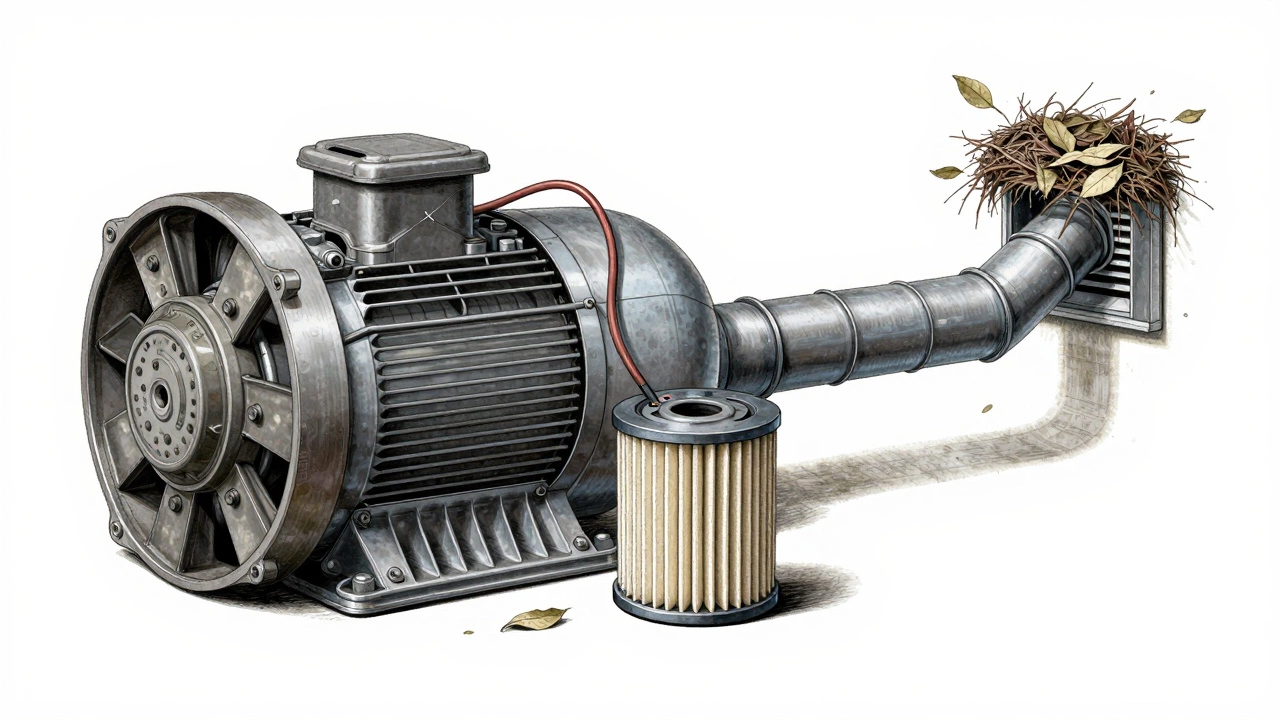
Check the ductwork - blockages stop airflow before the fan even knows
A fan can run perfectly but still feel like it’s not working if the duct is blocked. That’s common in homes with long, hidden duct runs or those connected to a shared vent in an apartment building. Go outside and look at the exhaust vent on your roof or side wall. Is it clear? Are leaves, bird nests, or ice blocking the flap? Use a broom handle or a long brush to gently clear it out. If the flap doesn’t open when the fan runs, the damper might be stuck. Lubricate the hinge with silicone spray. Inside the house, trace the duct from the fan to the outside. If it’s flexible aluminum ducting, it may have collapsed or kinked behind the cabinets. Straighten it. If it’s rigid metal, check for bird nests or debris. A vacuum with a long nozzle can help suck out dust. If you smell smoke or see grease buildup inside the duct, it’s time to clean it thoroughly. A professional duct cleaning service costs $200-$400, but if you’re handy, you can do it yourself with a rotary brush kit from a hardware store.Replace the motor - when the fan is beyond cleaning
If the fan is silent, doesn’t hum, and you’ve ruled out power, capacitor, and blockages, the motor itself may be dead. Motors don’t last forever - 8-12 years is typical. If your fan is older than that, replacement is often cheaper than repair. Find the model number on the fan’s label (usually behind the grease filter). Search online for the exact replacement motor. Many manufacturers sell them separately. You don’t need to replace the whole unit unless the housing is damaged. Match the voltage (120V in North America), RPM, and mounting style. Disconnect the old motor, unplug the wires, and remove the screws. Install the new one, reconnect the wires, and test. Make sure the fan spins freely before turning the power back on.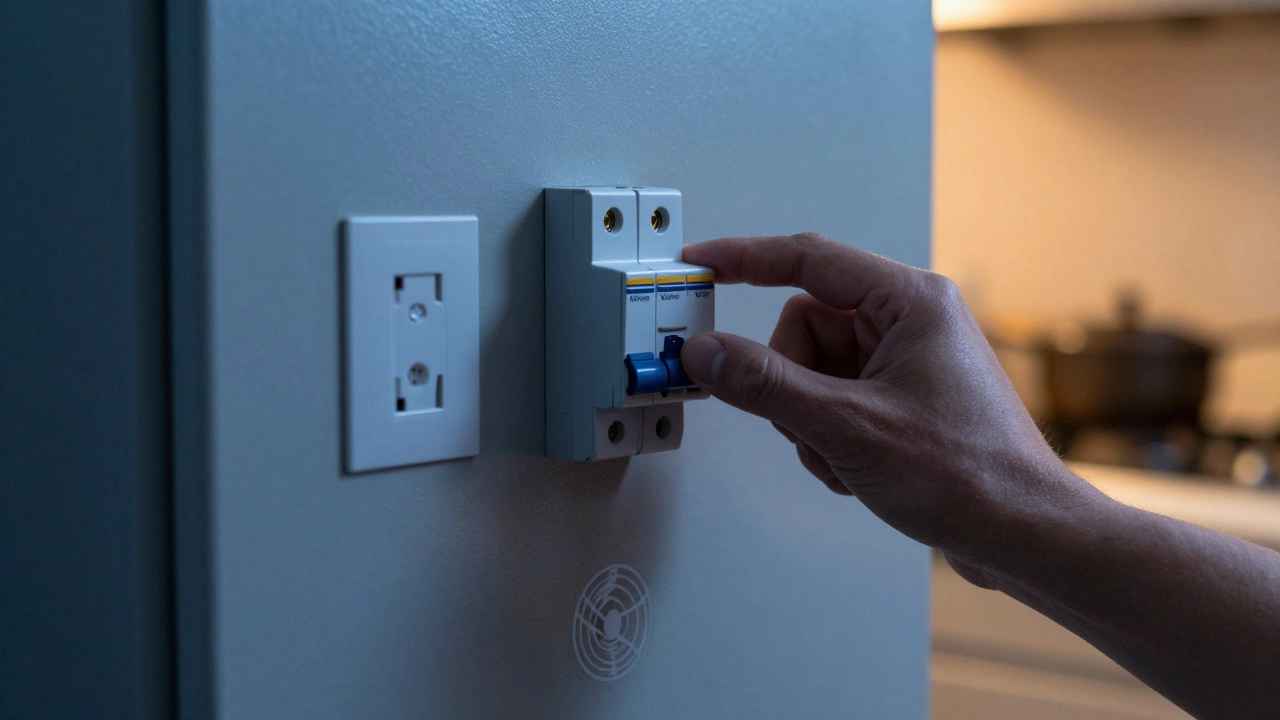
When to call a professional
You don’t need to be an electrician to fix most extractor fan issues. But if you’re uncomfortable working with wiring, or if you’ve tried everything and the fan still won’t turn on, it’s time to call someone. Also, call a pro if:- The circuit breaker keeps tripping
- You smell burning plastic or see scorch marks on the wiring
- The fan is part of a complex range hood with lights, timers, or smart controls
- You live in a condo and the duct is shared - tampering might violate building rules
Prevent future failures - maintenance tips
The best repair is no repair. Here’s how to keep your extractor fan running for years:- Clean the grease filter every 2-4 weeks, depending on how much you cook
- Wipe down the inside of the fan housing every 3 months
- Check the outside vent for blockages twice a year - once in spring, once in fall
- Replace the motor capacitor every 5-7 years as preventive maintenance
- Don’t run the fan for hours on end - it’s designed for 15-30 minutes during cooking
Why does my extractor fan make noise but not move air?
If the fan spins but doesn’t pull air, the duct is likely blocked, the grease filter is clogged, or the damper outside is stuck. Clean the filter, check the duct for kinks or debris, and make sure the outdoor vent flap opens freely. A noisy fan with no airflow usually means the motor is spinning but air can’t escape.
Can a dirty extractor fan cause a fire?
Yes. Grease buildup is highly flammable. If the fan motor overheats from blocked airflow, and grease accumulates near the heating elements or wiring, it can ignite. This is why regular cleaning isn’t just about performance - it’s a fire safety must.
Should I replace my extractor fan or just repair it?
If the fan is under 8 years old and the issue is a capacitor, filter, or motor, repair it. If it’s older than 10 years, or if the housing is cracked, the controls are faulty, or you’re paying more than half the price of a new unit for repairs, replace it. New models are quieter, more energy-efficient, and come with better filters.
Is it safe to run the extractor fan without a grease filter?
No. Running the fan without a filter lets grease enter the motor and duct. This causes faster wear, reduces airflow, and increases fire risk. Always use a clean, properly fitted filter. If you lose yours, buy a replacement - don’t run it bare.
Why does my extractor fan turn on by itself?
Some modern range hoods have humidity or smoke sensors that trigger the fan automatically. If yours doesn’t have this feature, a faulty switch or control board may be sending random signals. Turn off the power and inspect the wiring. If the problem continues, replace the control unit or call a technician.