Pipe Freezing Risk Calculator
Calculate Pipe Freezing Risk
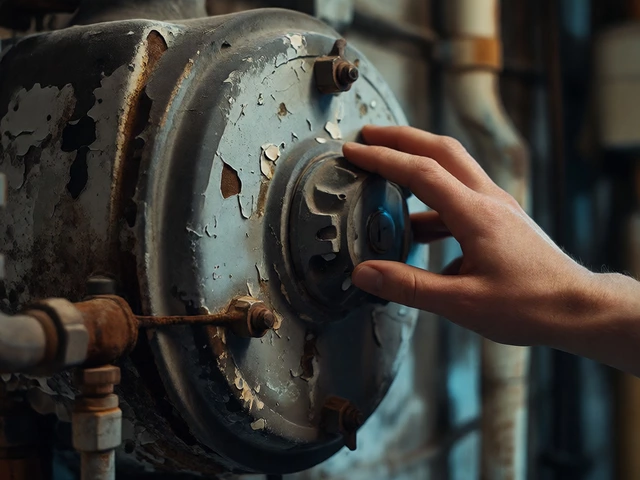
When your boiler breaks down in the middle of a Vancouver winter, you don’t have time to wait for a repair technician. Temperatures can drop below -5°C overnight, and your pipes could freeze if the house gets too cold. You need heat now-not tomorrow, not next week. The good news? You can keep your home warm even without a working boiler. It’s not ideal, but it’s doable, and it could save you from a much bigger problem.
Start by sealing drafts and keeping heat in
Heat doesn’t disappear because your boiler is broken-it escapes through cracks, gaps, and poor insulation. The first thing you should do is stop the loss. Close all curtains and blinds at dusk. Thick curtains trap heat better than thin ones. If you don’t have heavy curtains, hang blankets or towels over the windows. It’s not pretty, but it works.Check doorways. Place rolled-up towels or draft stoppers at the bottom of exterior doors. Seal gaps around windows with weatherstripping tape-you can buy it at any hardware store for under $10. Even small leaks add up. A study from Natural Resources Canada found that homes with unsealed drafts lose up to 25% of their heat through gaps alone. That’s like running your heater nonstop for no reason.
Close off unused rooms. Shut the doors to guest bedrooms, the basement, or the home office. Concentrate heat in the spaces you’re actually using. If you’re spending most of your time in the living room and kitchen, keep those areas warm and let the rest cool down. It’s not about comfort everywhere-it’s about survival.
Use space heaters safely and strategically
Space heaters are your best friend when the boiler is out. But not all are created equal, and not all are safe to use all day. Stick to oil-filled radiators or ceramic heaters with automatic shutoff and tip-over protection. Avoid cheap coil heaters-they get too hot, dry out the air, and are fire hazards.Place heaters where you spend the most time. If you’re sleeping in the bedroom, heat that room before bed. If you’re cooking and eating in the kitchen, keep the heater there during meals. Never leave a space heater running while you’re asleep or out of the house. Use a timer plug if you need to turn it off automatically after a few hours.
One 1500-watt space heater can raise the temperature in a small room by 5-8°C in under an hour. That’s enough to keep you comfortable through the night. Don’t try to heat the whole house with one. Focus on one or two rooms at a time. Rotate the heater between rooms as needed.
Use your oven and stove for emergency heat
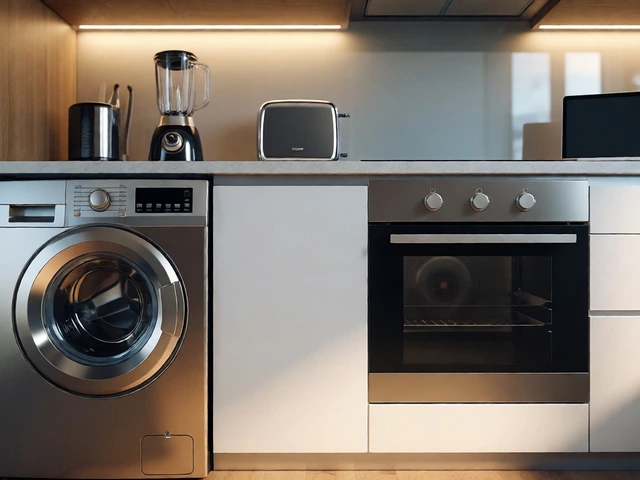
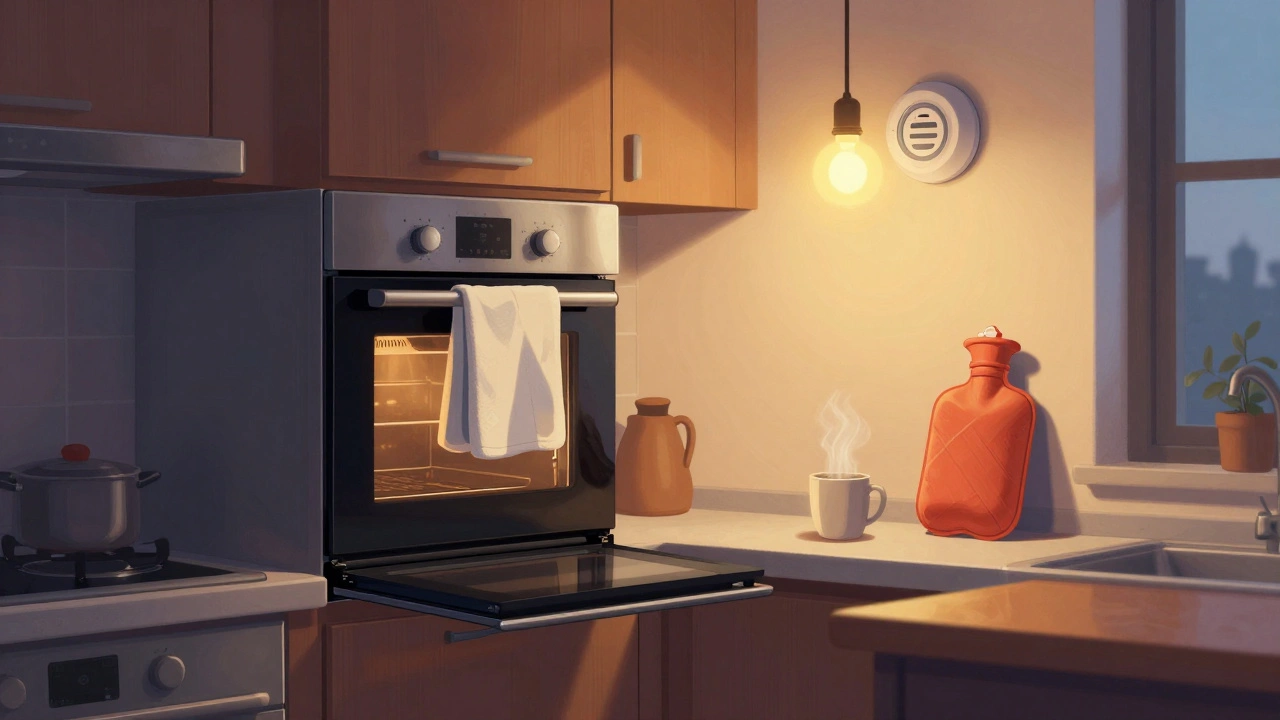
This is a trick many people use in emergencies, but it’s risky if you don’t know how to do it right. You can use your electric oven to warm up a small space-but only if you have an electric stove, not gas. Never leave the oven door open to heat the house. That’s a fire risk and can damage the appliance.Instead, preheat your oven to 175°C, then turn it off. Leave the door slightly cracked (just enough to let out a little warmth) and place a heavy towel or oven mitt over the gap. The residual heat will slowly escape into the kitchen. It won’t raise the temperature of your whole house, but it can take the chill off a single room for an hour or two.
For gas stoves, you can light the burners to generate heat-but only if you have a working carbon monoxide detector. Never use a gas stove as a heater for long periods. The fumes build up fast, and without proper ventilation, you risk poisoning. If you do this, open a window slightly and keep a fan running to circulate air. Don’t sleep with the stove on. Ever.
Layer up and use body heat
Your own body is a heat source. Wear layers. Thermal underwear, wool socks, a fleece vest, and a hat can make a huge difference. Studies show you lose up to 10% of your body heat through your head. A simple beanie can keep you warmer than turning up a space heater.Use blankets, sleeping bags, or even a down comforter on the couch. If you’re sitting still, your body heat will warm the space around you. Huddle together with family members. Shared body heat can raise the perceived temperature by 2-3°C. Kids and elderly people are especially vulnerable to cold-make sure they’re layered up and close to a heat source.
Drink warm liquids. Hot tea, soup, or broth doesn’t just warm you from the inside-it helps your body hold onto heat longer. Avoid alcohol. It makes you feel warm, but it actually lowers your core temperature and increases the risk of hypothermia.
Use hot water bottles and heating pads
A simple hot water bottle is one of the most underrated tools in cold weather. Fill a rubber bottle with hot (not boiling) water, wrap it in a towel, and place it at your feet, on your lap, or between your blankets. It can stay warm for 6-8 hours. You can buy them for under $15 at any pharmacy.Electric heating pads work too. Use them on your back, neck, or feet. They’re low-wattage and safe for overnight use if they have an auto-shutoff. Don’t use them on high settings for more than 20 minutes at a time-overheating can cause burns.
These aren’t replacements for central heating, but they’re perfect for targeted warmth. If you’re sitting at a desk or reading in bed, a hot water bottle can make the difference between shivering and sleeping.
Prepare for the long haul
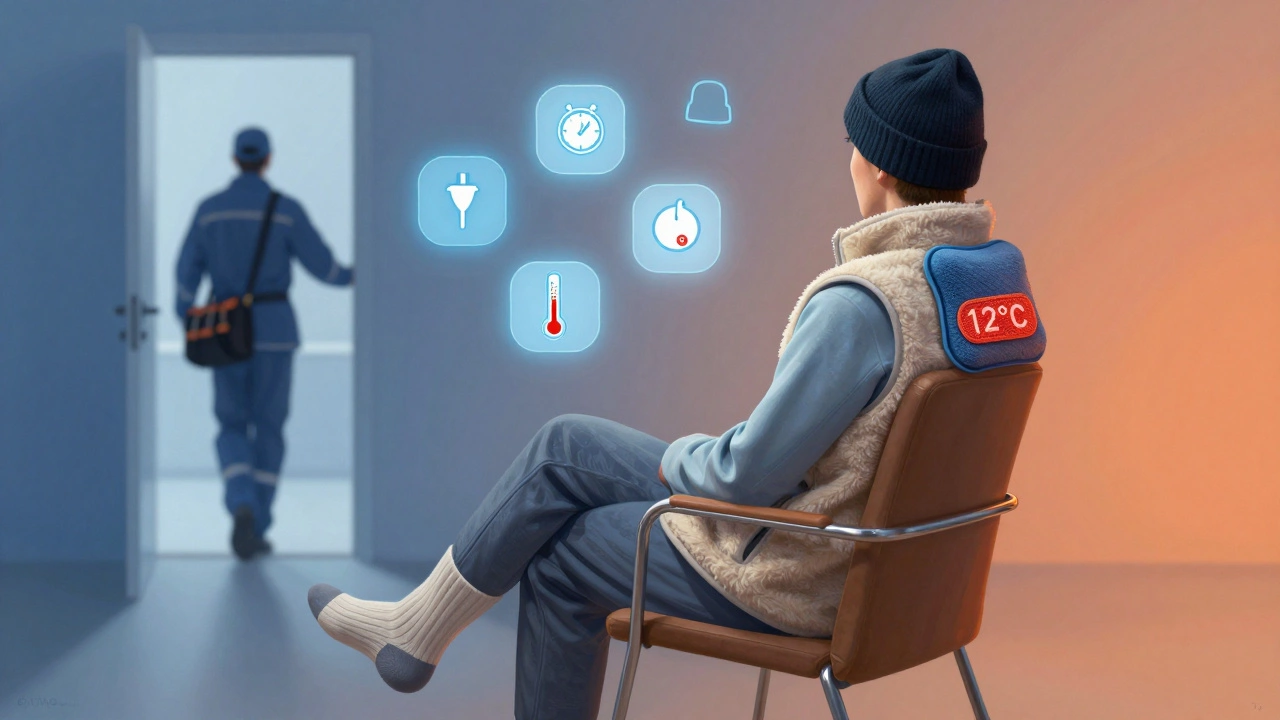
If your boiler is broken and the repair will take days, you need a plan. Call a licensed technician right away. In Vancouver, many companies offer emergency boiler service. Don’t wait until your pipes freeze. A frozen pipe can burst and cause thousands in water damage.While you wait, keep a backup plan ready. If you have a fireplace or wood stove, use it. Make sure the chimney is clean and the flue is open. Never burn trash, cardboard, or treated wood-it releases toxic fumes.
Keep a battery-powered thermometer in your main living area. If the temperature drops below 10°C for more than 6 hours, you’re at risk for frozen pipes. If it drops below 5°C for 12+ hours, you’re at risk for health issues, especially for older adults or infants.
Have a backup power source if possible. A portable generator can run a space heater or even a small electric boiler. But never run a generator indoors. Always keep it outside, away from windows and doors, to avoid carbon monoxide buildup.
When to call for professional help
You can survive a broken boiler for a day or two with these tricks. But you can’t survive a broken heating system forever. If you’re using multiple space heaters, your electricity bill will spike. If your pipes are rattling or you hear dripping sounds behind the walls, you’re already in danger.Call a boiler repair service if:
- The boiler shows error codes (like E1, E2, or LO) and won’t restart
- You smell gas (even faintly)
- Water is leaking from the boiler or pipes
- Your radiators are cold even when the system is on
- You’ve been without heat for more than 24 hours in freezing weather
Don’t try to fix it yourself unless you’re a certified technician. Boilers run on gas, electricity, and high-pressure water. One wrong move and you could trigger a gas leak, electrical fire, or explosion.
What to do after the boiler is fixed
Once your boiler is back on, don’t just turn it up and walk away. Flush the system. Air can get trapped in the pipes during the downtime, which causes uneven heating and noise. Bleed your radiators by opening the valve on top until water comes out, not air.Check your thermostat. Make sure it’s calibrated. If your house still feels cold even when the boiler is running, the thermostat might be faulty. Replace it if it’s older than 5 years.
Consider installing a smart thermostat. They alert you when temperatures drop too low and can even notify your repair service if the boiler shuts down unexpectedly. In Vancouver’s unpredictable winters, that kind of early warning can save you from another emergency.
Finally, schedule a yearly maintenance check. Most boiler failures happen because of neglected filters, low water pressure, or worn-out parts. A $150 service call every fall can prevent a $5,000 emergency in January.
Can I use a candle to heat my house if my boiler is broken?
No. Candles produce very little heat-less than 80 watts each-and pose a serious fire risk if left unattended. They are not a safe or effective way to heat a room. Use a certified space heater instead.
Will my pipes freeze if my boiler is broken?
Yes, if your house stays below 0°C for more than 6-8 hours. Pipes in exterior walls, basements, or unheated areas are most at risk. To prevent freezing, keep a trickle of water running from faucets and open cabinet doors under sinks to let warm air circulate. If you’re leaving the house, drain the water system entirely.
Is it safe to sleep with a space heater on?
Only if it has automatic shutoff, tip-over protection, and is placed at least 1 meter away from bedding, curtains, or furniture. Never use a space heater without these safety features. A timer plug that turns it off after 4-6 hours is a smart addition.
How long can I go without heat in winter?
Healthy adults can survive 24-48 hours without heat if they stay layered up and in one warm room. But children, seniors, and people with medical conditions are at risk after just 6-12 hours. If you’re in one of these groups, seek temporary shelter at a community center, library, or friend’s house if your home stays below 10°C.
Should I turn off the boiler if it’s broken?
Yes-if you see water leaking, smell gas, or hear unusual noises. Turn off the gas valve and electricity to the boiler. Do not attempt to restart it. Call a licensed technician immediately. Leaving a faulty boiler on could cause a gas leak, electrical short, or explosion.