Shower Temperature Diagnostic Tool
Step 1: Check Other Faucets
Is there hot water coming from your bathroom or kitchen sink?
Step 2: Test the Shower Head
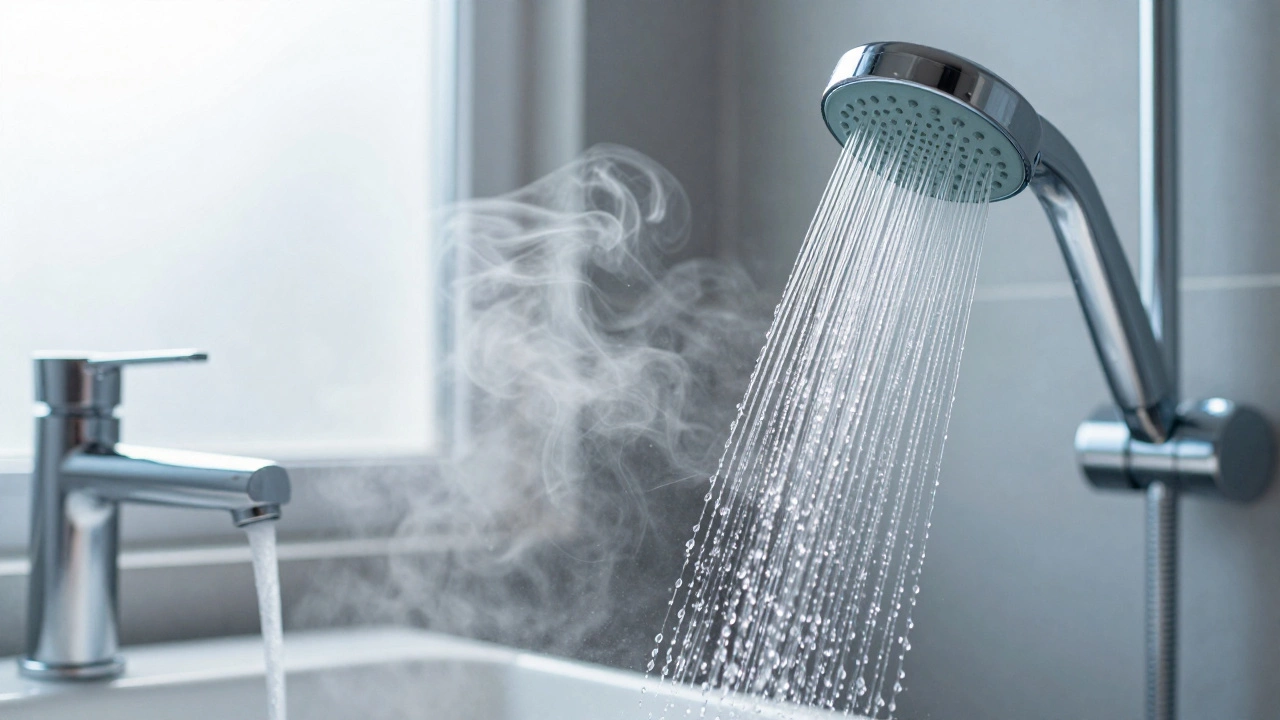
Remove the shower head and run the water from the pipe. Is the water hot now?
Step 3: Observe the Temperature
When you turn the shower handle, how does the temperature behave?
Systemic Failure
Since other faucets are also cold, your water heater is the culprit. Check the heating element, pilot light, or thermostat.
Simple Fix: Shower Head
Your shower head's internal diverter or nozzles are clogged. Soak the head in white vinegar to remove mineral buildup or replace the head.
Likely Cause: Failed Cartridge
A completely blocked or broken cartridge is preventing hot water from entering the mix. This is the most common localized failure.
Recommended Action: Replace the shower cartridge (see the step-by-step guide in the article).
Likely Cause: Pressure-Balancing Valve
Your valve is likely "failing safe." The internal spring or diaphragm is stuck, causing it to default to cold water to prevent scalding.
Recommended Action: Replace the cartridge or the pressure-balancing assembly.
Likely Cause: Cross-over or Partial Blockage
You may have a failed check valve allowing cold water to bleed into the hot line, or significant mineral scaling (lime) choking the flow.
Recommended Action: Check for recirculation pump issues or attempt to descale the valve with vinegar.
It's a frustrating start to the morning: you jump in the shower, expecting a warm wake-up call, but you're hit with a blast of ice-cold water. Then, you test the bathroom sink right next to the shower, and it's steaming hot. You know your water heater is working, so why is the shower acting up? This specific problem usually means your water heater is fine, but something is blocking the hot water from reaching your shower head or mixing correctly once it gets there.
Quick Summary of the Problem
- The water heater is functioning (proven by the hot sink water).
- The issue is localized to the shower's plumbing or valve.
- Common culprits include failed cartridges, mineral buildup, or air locks.
- Most fixes involve replacing a small part rather than the whole system.
The Culprit in the Wall: The Shower Mixing Valve
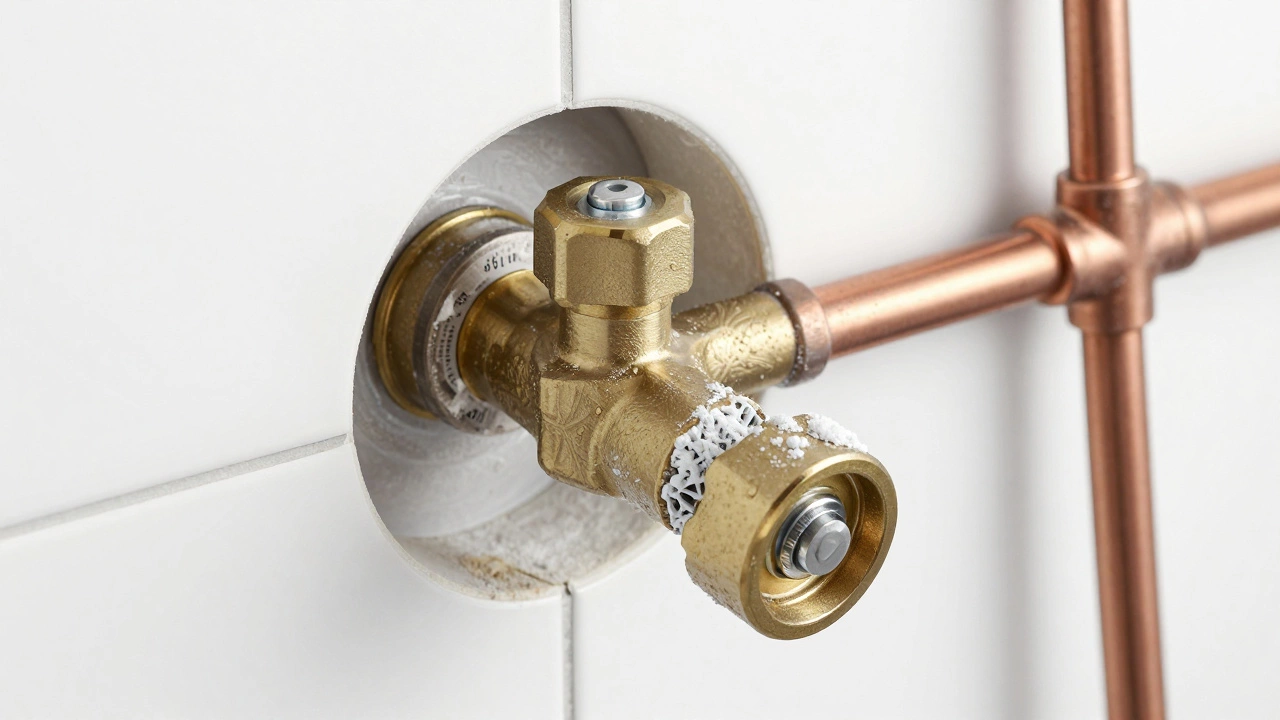
In most modern bathrooms, the magic happens at the Shower Mixing Valve is a plumbing device that blends hot and cold water to reach a specific temperature before it leaves the faucet. Unlike your sink, which has separate handles for hot and cold, your shower usually has one handle that controls both. If you have hot water at the sink but not the shower, there is a very high chance the valve is the problem.
Inside that valve is a small piece called a cartridge. Think of the Cartridge as the "brain" of the shower. It slides back and forth to determine how much hot water enters the stream. Over time, these cartridges wear out or get clogged with sediment. If the cartridge is stuck or broken, it might block the hot water line entirely, meaning only cold water can pass through, even if your Water Heater is pumping out 120-degree water just a few feet away.
Dealing with Mineral Buildup and Hard Water
If you live in an area with Hard Water-which means your water has high levels of calcium and magnesium-you're dealing with a silent enemy. These minerals don't just leave spots on your glasses; they build up inside your pipes. This is called scaling.
Because shower pipes are often narrower than the main lines feeding your sinks, they are more prone to blockages. Mineral deposits can accumulate right at the entrance of the shower valve, creating a "dam" that prevents hot water from flowing. You might notice that the water starts warm for ten seconds and then goes cold, or it stays cold regardless of where you turn the handle. This is often a sign that the valve is partially choked by lime scale.
| Symptom | Valve Issue (Local) | Heater Issue (Systemic) |
|---|---|---|
| Sink Water Temp | Hot | Cold / Lukewarm |
| Shower Water Temp | Cold | Cold |
| Other Faucets | Hot | Cold |
| Primary Fix | Replace Cartridge | Check Heating Element/Pilot |
The Danger of Pressure-Balancing Valves
Many homes use Pressure-Balancing Valves. These are designed to prevent you from getting scalded if someone flushes a toilet while you're showering. They work by sensing the pressure of the cold water and adjusting the hot water to match.
The problem is that these valves rely on a small diaphragm or spring to move. If that spring snaps or the diaphragm gets stuck due to grit in the pipes, the valve may "fail safe." In many cases, failing safe means it defaults to the cold side to prevent burns. If your sink is hot but the shower is freezing, your pressure-balancing valve might have simply decided that the hot water is too "risky" to let through.
Cross-Over Problems and Plumbing Leaks
Sometimes the problem isn't a blockage, but a "leak" between lines. This is known as cross-over. This happens when a check valve fails, allowing hot and cold water to mix in a way they shouldn't. While less common in a single shower, it can happen if you have a complex plumbing setup with a dedicated recirculating pump.
If you have a Recirculation Pump (a device that keeps hot water moving so it's instant when you turn on the tap), a failed check valve can allow cold water to bleed into the hot water line specifically at the shower branch. This dilutes the heat so much that by the time it hits your skin, it feels cold, whereas the sink-which might be closer to the pump-stays hot.
How to Troubleshoot Your Shower
Before you call a plumber, you can do a few things to narrow down the cause. First, check other hot water sources. If the kitchen sink and bathroom sink are both hot, you've officially ruled out the water heater. Next, check the shower head itself. It sounds silly, but some high-end shower heads have internal diverters that can get stuck. If you remove the shower head and hot water comes out of the pipe, your head was the problem.
If the pipe is cold, the issue is the valve. To test this, try turning the handle slowly. Does the temperature change at all, or is it a constant freeze? A constant freeze usually points to a completely blocked cartridge or a failed pressure-balance spring. If the water is lukewarm but never gets hot, you're likely looking at a partial blockage or a cross-over issue.
Step-by-Step: Replacing a Shower Cartridge
If you're handy with a wrench, replacing the cartridge is the most common fix for this problem. Here is how it's generally done:
- Shut off the water: You must turn off the main water supply to the house or the specific shut-off valves for the bathroom. Failure to do this will result in a flood.
- Remove the handle: Use a screwdriver or Allen wrench to remove the shower handle. You'll see a metal sleeve or a plastic cover; remove that too.
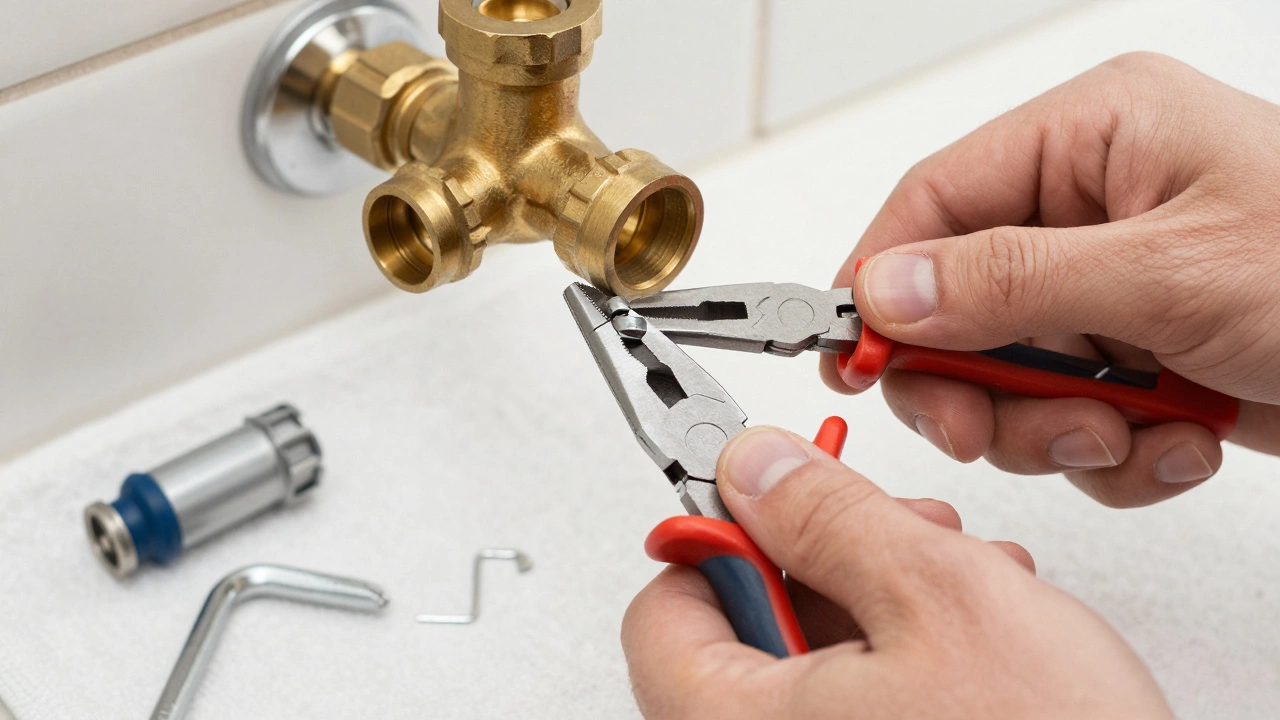
- Pull the clip: Most cartridges are held in place by a small metal U-shaped clip. Use needle-nose pliers to carefully pull this clip out.
- Extract the cartridge: Use a cartridge puller tool or pliers to slide the old cartridge out of the valve body. Be careful not to scratch the inside of the brass housing.
- Clean the housing: Use a small brush or a cloth to wipe out any mineral buildup inside the valve.
- Install the new part: Slide in a new cartridge that matches your model exactly, replace the clip, and put the handle back on.
When to Give Up and Call a Professional
Plumbing can be a slippery slope. While changing a cartridge is a great DIY project, there are times when you need a pro. If you find that the brass valve body inside your wall is corroded or leaking, stop immediately. Replacing a valve body often requires cutting into the drywall and soldering new copper pipes. This is a job for a licensed plumber.
Similarly, if you suspect a systemic issue like an air lock in the pipes-where a bubble of air prevents water from flowing-you might need a professional to flush the system. Air locks are rare in modern closed-loop systems but can happen after a major repair or if the water was shut off for a long period.
Could my water heater be the problem if only one shower is cold?
No. If your sinks are providing hot water, your water heater is successfully heating the water and sending it into the pipes. The problem is definitely "downstream"-meaning it's located between the heater and your shower head.
How long does a shower cartridge usually last?
Depending on your water quality, a cartridge can last anywhere from 5 to 15 years. If you have very hard water, they can fail much sooner due to mineral buildup.
Can I clean my shower valve without replacing the cartridge?
In some cases, you can remove the cartridge and soak it in a mixture of white vinegar and water to dissolve calcium deposits. However, if the internal seals are worn or a spring is broken, cleaning won't fix the problem, and replacement is the only permanent solution.
Why does the water start warm and then go cold?
This is often a sign of a failing pressure-balancing valve. It allows a small amount of hot water through initially, but once the pressure shifts, the valve shuts off the hot side to "protect" you, leaving you with only cold water.
Does installing a water softener prevent this?
Yes, a water softener removes the minerals that cause scaling. While it won't fix a currently broken valve, it will significantly extend the life of your cartridges and plumbing fixtures in the future.
Next Steps and Troubleshooting
If you've replaced the cartridge and you're still getting cold water, try checking the water shut-off valves (if your shower has individual ones). Sometimes a valve can be partially closed, restricting flow. If you're in an older home with galvanized pipes, the blockage could be a piece of rust that broke loose and lodged itself in the shower branch.
For those who prefer a methodical approach, start with the simplest fix (the shower head), move to the most likely fix (the cartridge), and only then move to the complex fixes (valve replacement or pipe flushing). This saves you time and money by avoiding unnecessary professional calls for a 10-dollar part.