Boiler Replacement Time Estimator
Fill in the details and click Calculate to see your estimated timeline.
You’re staring at your old, clanking boiler. It’s leaking, or maybe it just died on the coldest night of the year. You’ve called a plumber, and they said, "We can replace it." Now you’re wondering: how long will this actually take? Will I be without hot water for three days? A week?
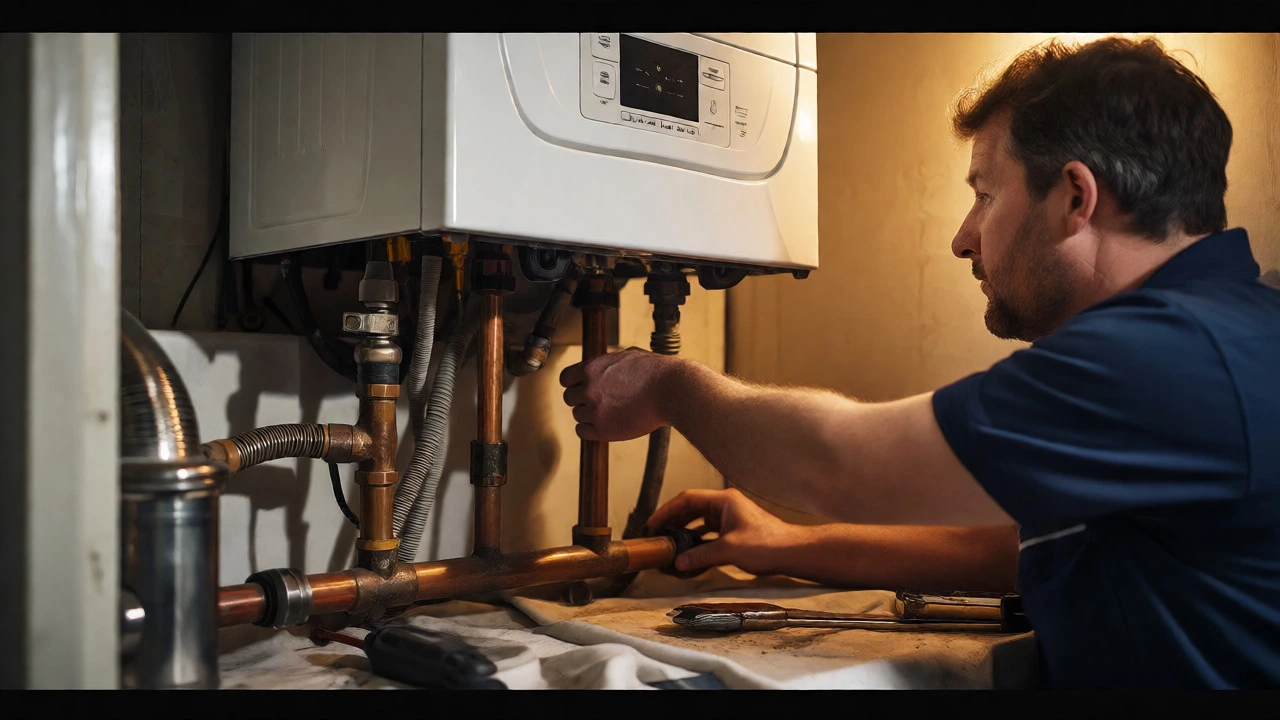
Here is the short answer: For a standard like-for-like combi boiler replacement in an existing location with compatible pipework, expect the physical work to take between 4 and 8 hours. If you are swapping a regular system boiler for a combi, or moving the unit to a new spot, add another day or two.
But that number hides a lot of variables. Gas safety checks, asbestos surveys, and scheduling conflicts can stretch this timeline. Let’s break down exactly what happens during a boiler replacement so you can plan your life around it.
The Standard Scenario: Like-for-Like Swap
This is the fastest route. You have a combi boiler in the airing cupboard, and you want a new combi boiler in the same airing cupboard. The gas pipe size matches. The flue outlet is the same type (usually horizontal through a wall). The electrical supply is ready.
In this scenario, a qualified engineer can typically complete the job in one working day. Here is how those hours usually shake out:
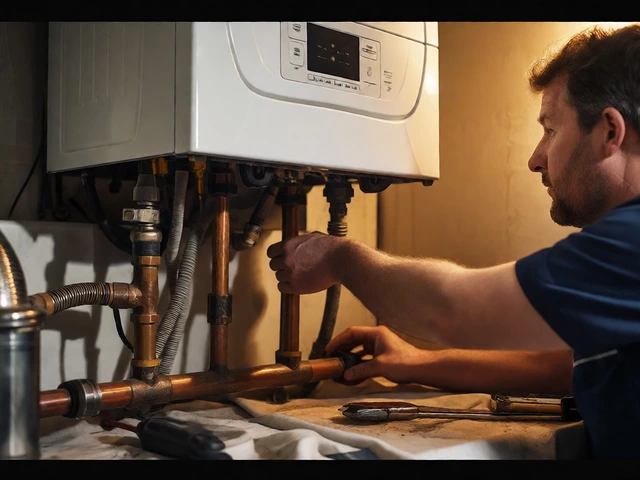
- Morning (2-3 hours): Draining the central heating system, disconnecting the old boiler, removing it from the wall, and disposing of it.
- Midday (1-2 hours): Installing the new bracket, fitting the new boiler, connecting gas, water, and condensate pipes.
- Afternoon (2-3 hours): Refilling the system, bleeding radiators, testing pressure, commissioning the unit, and cleaning up.
If your current setup is straightforward, you could have hot water back by dinner time. But don’t count on it if the engineer hits a snag.
When It Takes Longer: Complex Swaps
Not every home has a simple layout. If you’re upgrading your heating system, the clock ticks slower. Consider these common complications:
Switching from System to Combi
Many older homes use a system boiler that relies on a separate hot water cylinder stored in an airing cupboard. Replacing this with a combi boiler means you no longer need the cylinder. This sounds like a win-more space!-but it requires significant plumbing changes.
The engineer must cap off the cylinder connections, reroute cold mains water directly to the boiler, and often reconfigure the central heating circuit. This adds 3-5 hours to the job. Sometimes, it takes two days because the pipework needs to be chased into walls or boxed in neatly.
Moving the Boiler Location
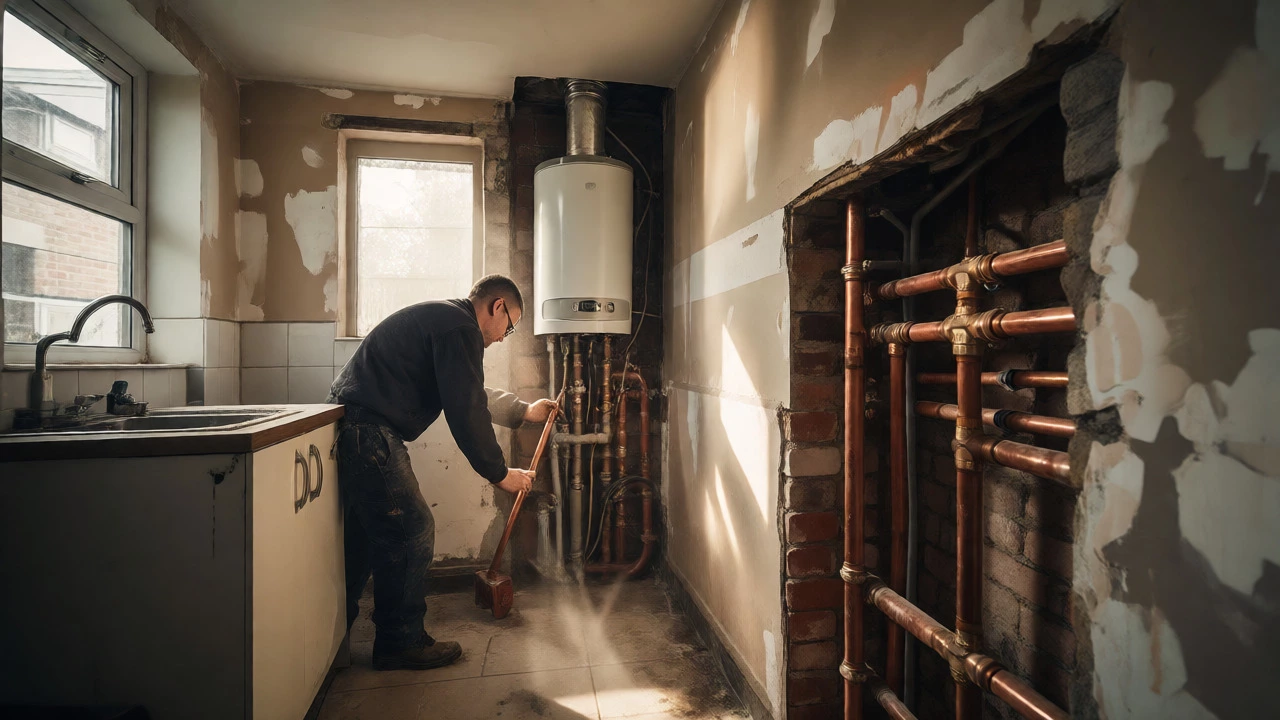
Maybe your boiler is in the kitchen, and you want it in the loft. Or vice versa. Moving a boiler isn’t just about unscrewing bolts. You need to extend gas lines, run new condensate drainage (which must fall correctly to avoid freezing), and install a new flue terminal.
Expect this to take 1-2 full days. Why? Because running pipes through floors, ceilings, and external walls takes time. Plus, you might need plasterers to patch holes afterward. The plumber installs; the plasterer finishes. That’s two visits minimum.
Upgrading Pipework Size
New high-efficiency boilers sometimes require larger gas pipes than older models. If your house was built in the 1970s, your gas meter or internal piping might be too narrow for modern flow rates. An engineer might need to upgrade the gas feed from the meter to the boiler. This involves cutting into walls and replacing copper pipes. Add half a day to a full day for this.
Pre-Installation Delays You Can’t Control
The actual wrench-turning time is only part of the story. Several factors happen before the engineer even opens his toolbox.
Scheduling and Availability
Gas Safe registered engineers are busy people. In winter, demand spikes. You might get a quote today but not get installed until next week. During peak season (November-February), wait times can stretch to 10-14 days. In summer, you might get a slot within 48 hours.
Asbestos Surveys
If your home was built before 2000, there’s a chance asbestos exists in floor tiles, ceiling panels, or pipe lagging near the boiler. Regulations require a survey if disturbance is likely. If asbestos is found, you need a licensed removal specialist. This can delay installation by several days while waiting for clearance certificates.
Building Regulations Notification
In the UK, all new boiler installations must be notified to Building Control. Usually, the installer handles this via a self-certification scheme (like Gas Safe Register). However, if your local council requires direct inspection, you might face a brief hold-up waiting for approval. This rarely delays the physical install but affects when you receive your completion certificate.
Realistic Timeframes by Job Type
| Job Type | Physical Work Time | Total Elapsed Time* | Complexity |
|---|---|---|---|
| Like-for-Like Combi Swap | 4-6 hours | 1 Day | Low |
| System to Combi Conversion | 6-8 hours | 1-2 Days | Medium |
| Boiler Relocation | 8-12 hours | 2-3 Days | High |
| Full Heating System Upgrade | 2-4 days | 1 Week+ | Very High |
*Total elapsed time includes scheduling gaps, drying time for plaster, or waiting for parts.
What Slows Down the Engineer?
Even experienced pros hit roadblocks. Knowing these helps you set realistic expectations.
Rusted Connections: Old nuts and bolts seize up. Breaking them free without damaging the pipe takes patience. If a joint snaps, repair time doubles.
Inaccessible Flues: Some boilers are tucked behind cabinets or in tight corners. Removing the old flue might require dismantling cupboards. Putting them back together takes extra care.
Water Quality Issues: If your system is heavily sludged, simply installing a new boiler won’t fix poor circulation. The engineer might recommend a power flush. This adds 4-6 hours to the job. Skipping it risks voiding your warranty later.
Electrical Faults: Modern boilers need a stable 3A spur. If your wiring is outdated or missing an earth connection, the electrician needs to visit. This turns a one-person job into a multi-trade coordination effort.
How to Speed Up Your Boiler Replacement
You can’t control the engineer’s schedule, but you can prepare your home to make their job faster.
- Clear the Area: Move furniture away from the boiler. Empty the airing cupboard. Remove any obstacles blocking access to the flue terminal outside.
- Check Water Pressure: Before they arrive, note your current pressure. If it’s weirdly high or low, tell them. It saves diagnostic time.
- Decide on Extras Early: Do you want a magnetic filter? Thermostatic radiator valves? Smart thermostat? Decide now. Adding these mid-job causes delays.
- Be Available: Engineers often need permission to enter lofts or crawl spaces. Being present speeds things up significantly.
Does the Brand Matter for Install Time?
Most major brands (Vaillant, Worcester Bosch, Baxi) have similar mounting brackets and connection standards. However, some compact units are trickier to fit in tight spaces. A skilled engineer adapts quickly. Don’t choose a brand solely based on install speed; choose based on reliability and after-sales support.
That said, proprietary parts can cause delays. If your chosen model uses unique components that aren’t stocked locally, the engineer might need to order them. Stick to popular models if you need the job done fast.
Aftercare: The Hidden Time Sink
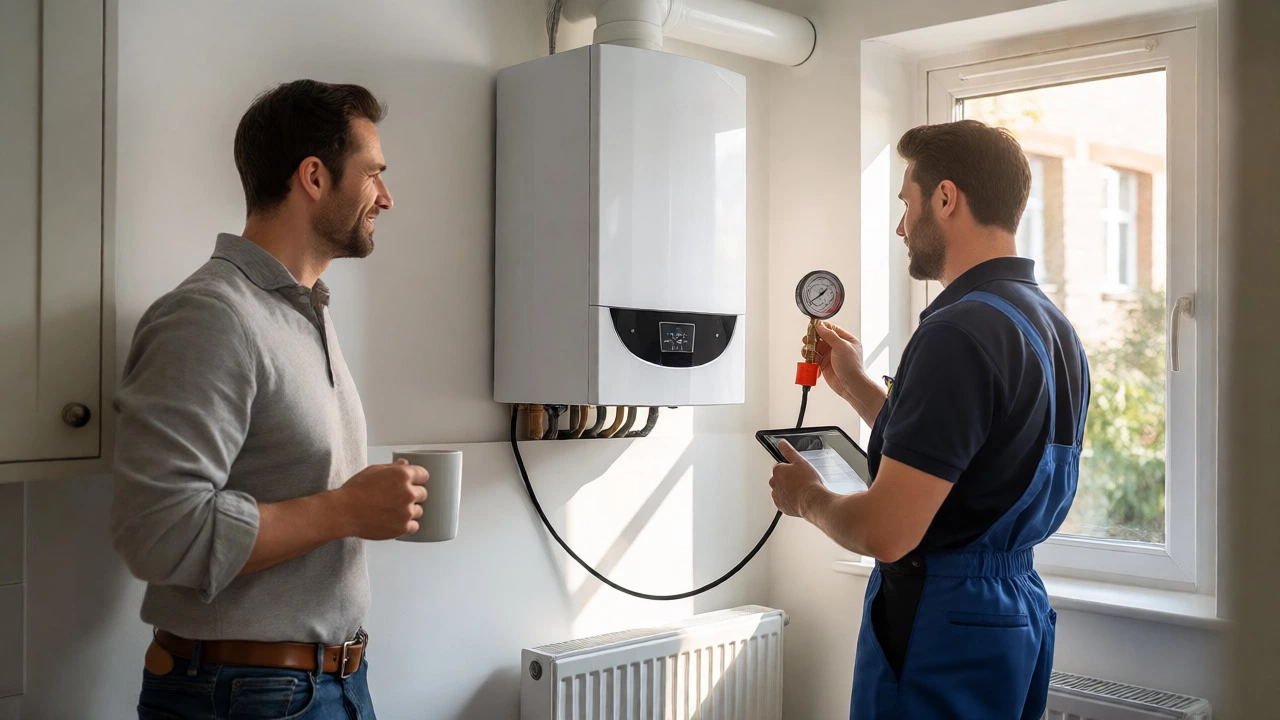
The job isn’t over when the flame lights up. Commissioning takes time. The engineer must test every radiator, check for leaks under pressure, and program the controls. They should also show you how to use the interface.
Don’t rush them. A poorly commissioned boiler runs inefficiently. Ask them to explain the fault codes. Keep their contact info handy. If something goes wrong in the first week, most installers will return within 24-48 hours to fix it.
Frequently Asked Questions
Can I live in my house during a boiler replacement?
Yes, for most replacements. You’ll lose hot water and heating for 4-8 hours. If the job spans multiple days, you might need temporary heating solutions, like portable electric heaters. Ensure your home stays above 5°C to prevent frozen pipes.
Why did my boiler replacement take two days instead of one?
Common reasons include discovering rusted pipes that needed replacing, finding asbestos requiring removal, or needing to chase new pipework into walls. Also, if the engineer had to wait for a specific part or if the system required a power flush, the timeline extends.
Do I need to drain the whole heating system?
Yes. To remove the old boiler and connect the new one, the water in the central heating loop must be drained. This ensures no spills and allows safe disconnection of pipes. It’s a standard part of the process.
How long does it take to get a quote vs. installation?
Quotes can often be provided remotely or via video call within 24 hours. Physical surveys take 30-60 minutes. Installation scheduling depends on demand. Winter waits can be 1-2 weeks; summer waits are often 2-5 days.
Is a combi boiler always faster to install than a system boiler?
Not necessarily. If you already have a combi, yes. If you’re converting from a system boiler (with a cylinder) to a combi, it takes longer because you’re removing the cylinder and rewiring the plumbing. A like-for-like system swap is quick.